The Real Estate Transfer Act (GrdstVG) explained simply
The Real Estate Transfer Act (GrdstVG) explained simply: Important information for buyers and sellers of agricultural and forestry land
The purchase or sale of farmland, grassland, or forest land differs significantly from traditional real estate transactions. One of the most important reasons for this is the Real Estate Transfer Act (GrdstVG).
In this article, we explain in easy-to-understand terms what this is all about and what buyers and sellers of agricultural and forest land should definitely know.
What is the Real Estate Transfer Tax Act?
The Real Estate Transfer Act is a federal law that regulates the sale of agricultural and forestry land.
It is intended to ensure that agricultural land is used sensibly, distributed fairly, and does not become too expensive.
In short:
A sale of agricultural or forestry land only becomes valid once it has been approved by the competent authority.
To which areas does the GrdstVG apply?
The approval requirement applies to, among other things:
- farmland
- Grassland, i.e., meadows and pastures
- Forest areas
- Land that is officially classified as agricultural or forestry land and is to be purchased in conjunction with a farmstead, an agricultural business, or other real estate.
The law therefore affects sellers and buyers alike—private owners, farmers, companies, communities of heirs, and investors.
What does the authority check?
The relevant authority—usually agricultural offices, chambers of agriculture, or district administrations—checks several points:
- Is the purchase price in line with the market value?
If the price is significantly inflated, approval may be denied in order to prevent speculation on agricultural land.
- Who would like to purchase the land?
It is often checked whether local agricultural businesses need the land for their operations.
- Will agriculture be strengthened or weakened by the sale?
The aim is to promote a sustainable and stable agricultural structure.
Right of first refusal of land companies
In certain cases, a land association may exercise a right of first refusal.
This means that it can "preempt" the buyer if this benefits agricultural use or structural development.
Approval procedure
This is how the process normally works:
- Notary certifies the purchase agreement.
- The contract will then be automatically forwarded to the approval authority.
- The authority reviews the case (typically 4–6 weeks).
- Buyers and sellers receive approval or denial.
- Only then is the entry made in the land register.
Without this approval, a change of ownership cannot be completed.
Are there regional differences?
Yes, because although the GrdstVG applies nationwide, the federal states have their own supplementary regulations. These include, for example:
- Different area limits, i.e., the states can determine that the sale of land up to a certain size does not require approval (e.g., in North Rhine-Westphalia, up to 1 ha is exempt from approval).
- varying responsibilities
- Special provisions in forestry and nature conservation law
However, the basic procedure is similar everywhere.
Conclusion: The Real Estate Transfer Act – important for all agricultural and forestry transactions
Anyone wishing to buy or sell farmland, grassland, or forest land must comply with the Real Estate Transfer Act.
It ensures that:
- Agricultural land remains put to good use,
- agriculture is treated fairly,
- Prices do not rise uncontrollably,
- and land does not become purely speculative.
More articles & news
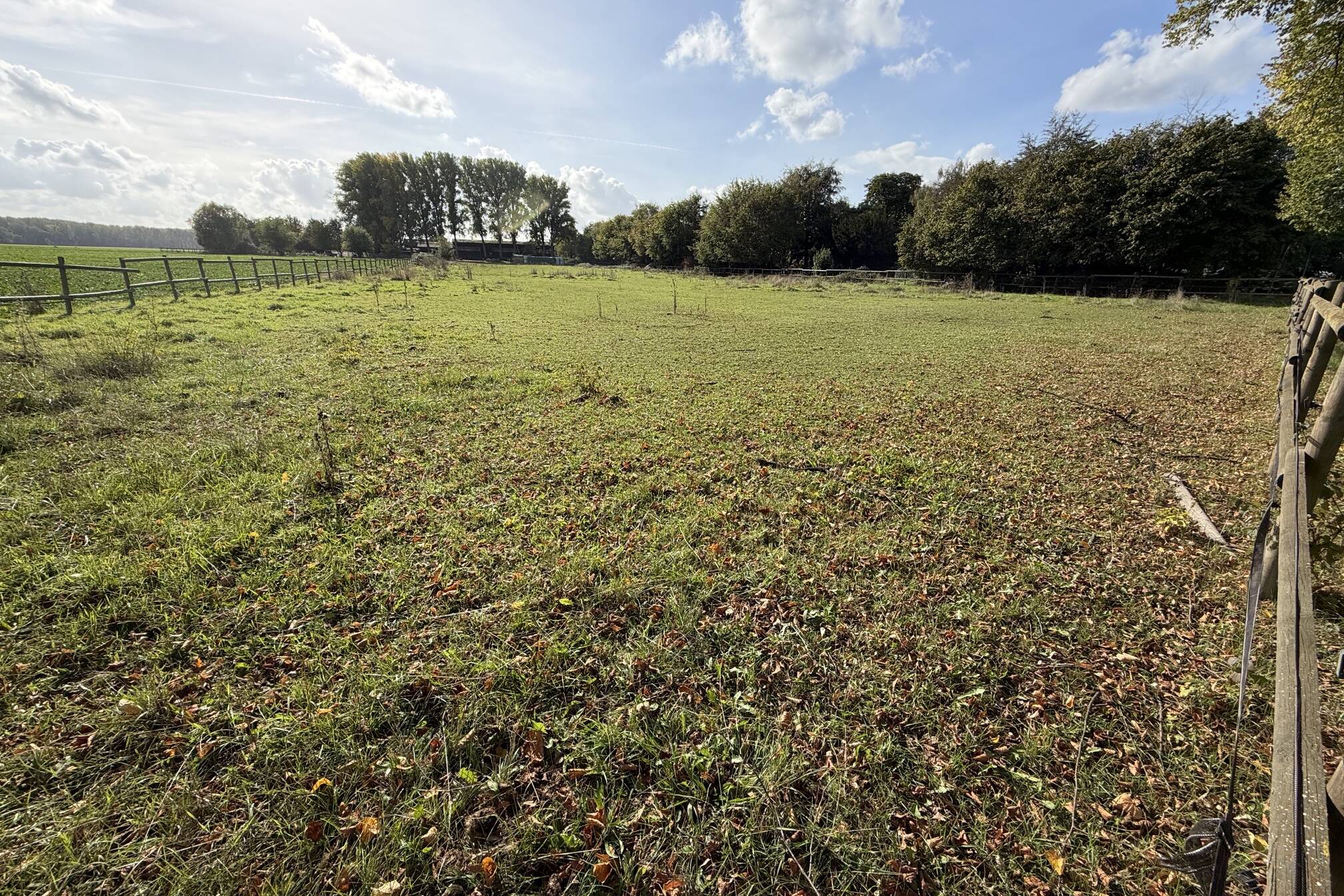
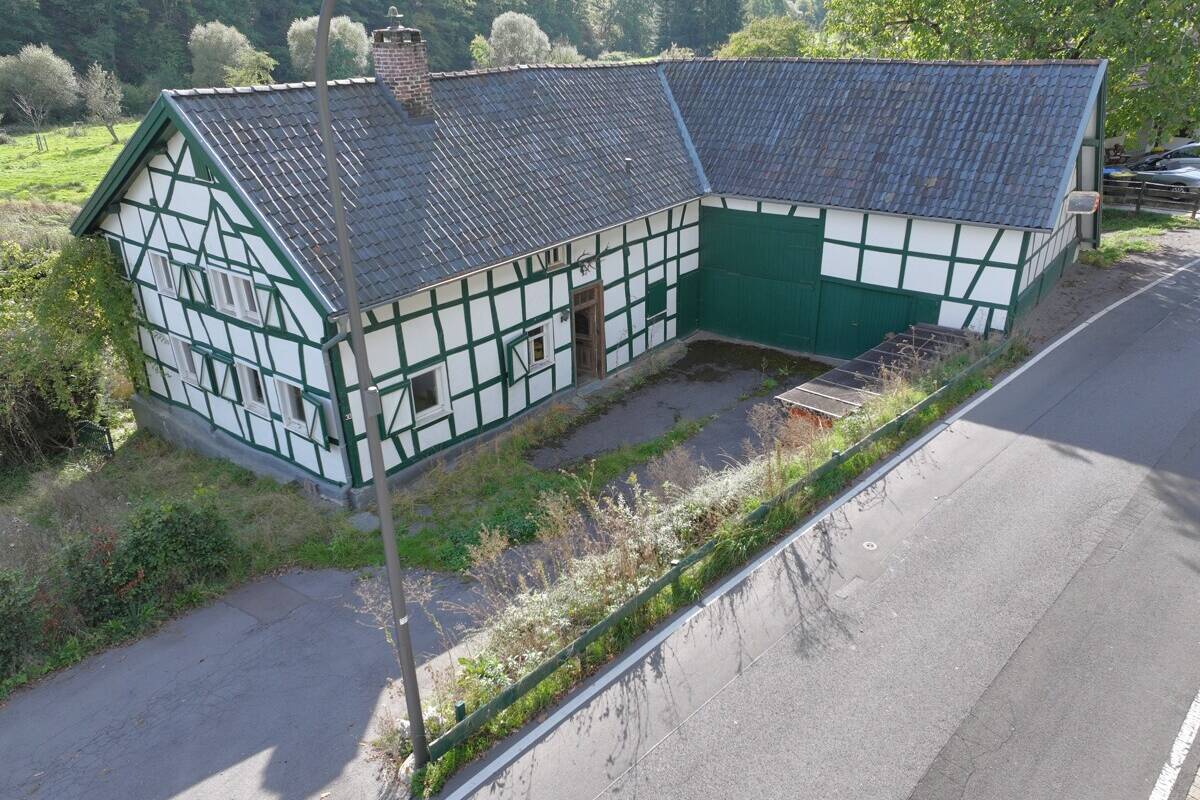
NEW: Small historic half-timbered house with adjacent grassland in Simmerath
With an adjoining barn and approximately 0.6 ha of consolidated grassland
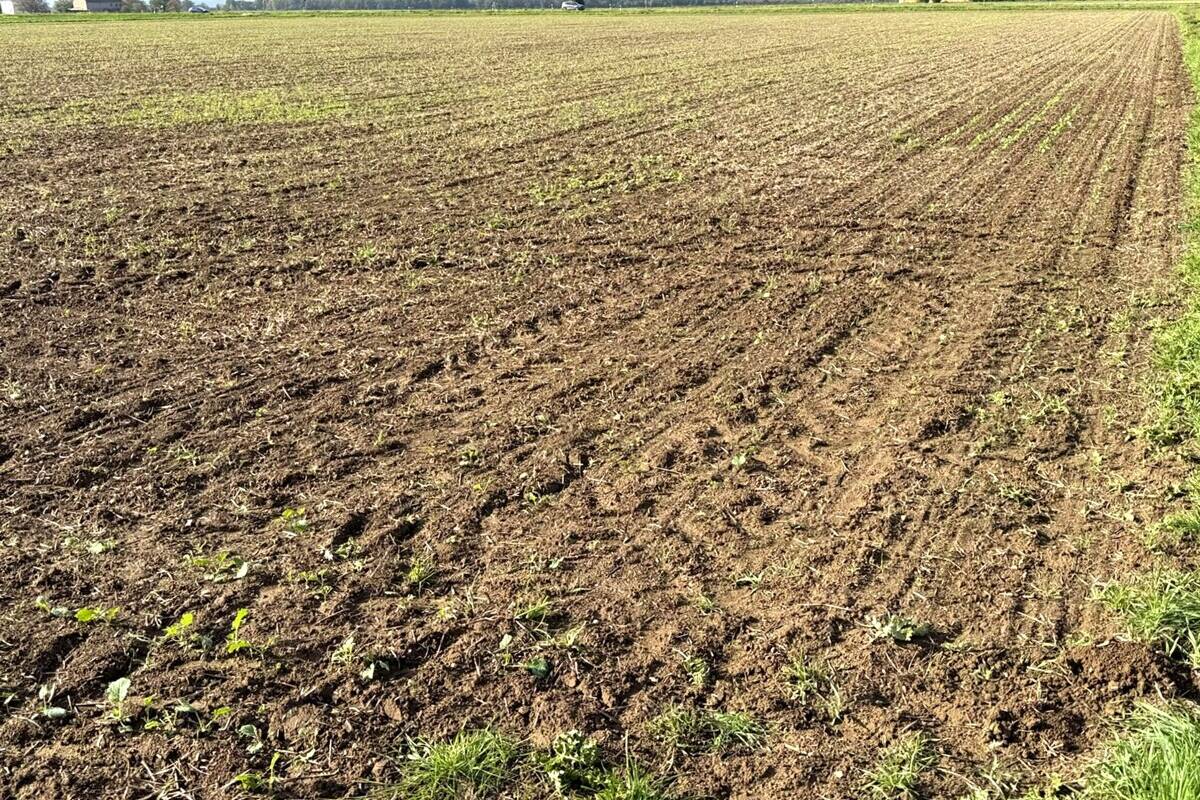
NEW: Farmland in Swisttal
The approximately 1.3 ha of high-quality farmland is located in Swisttal, Rhein-Sieg District,…
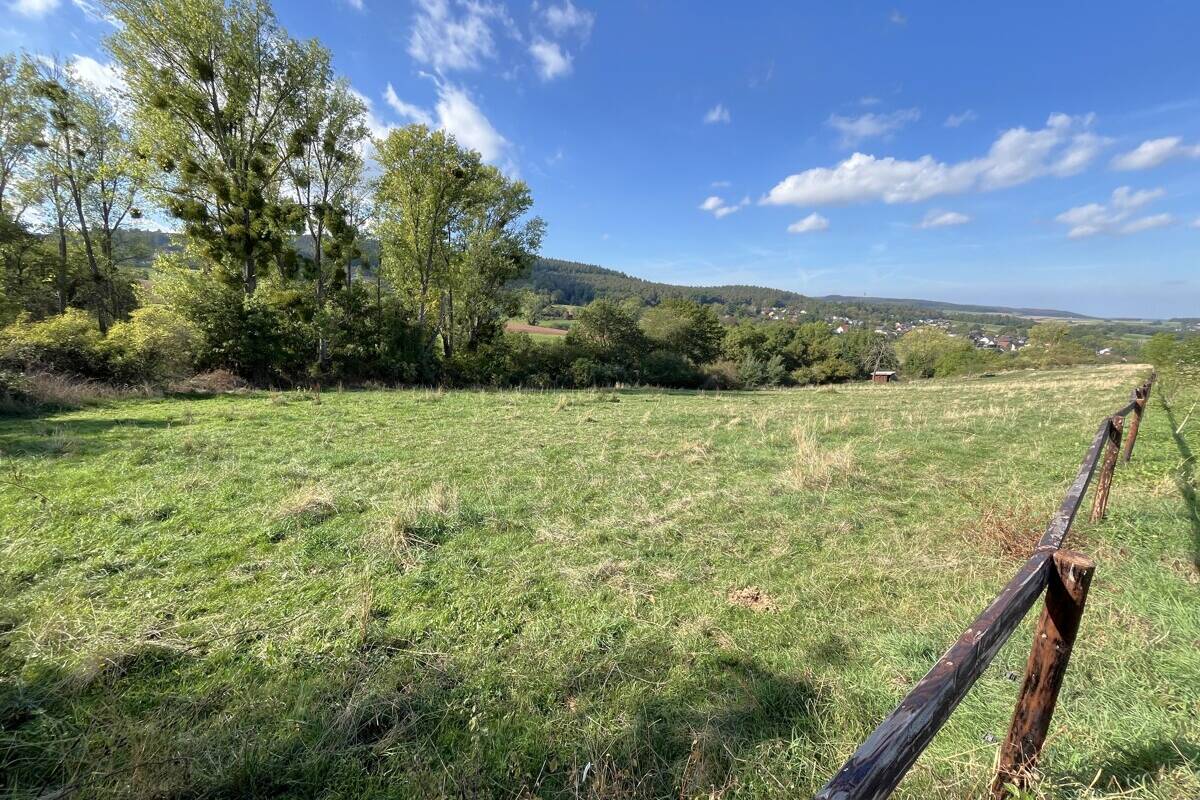
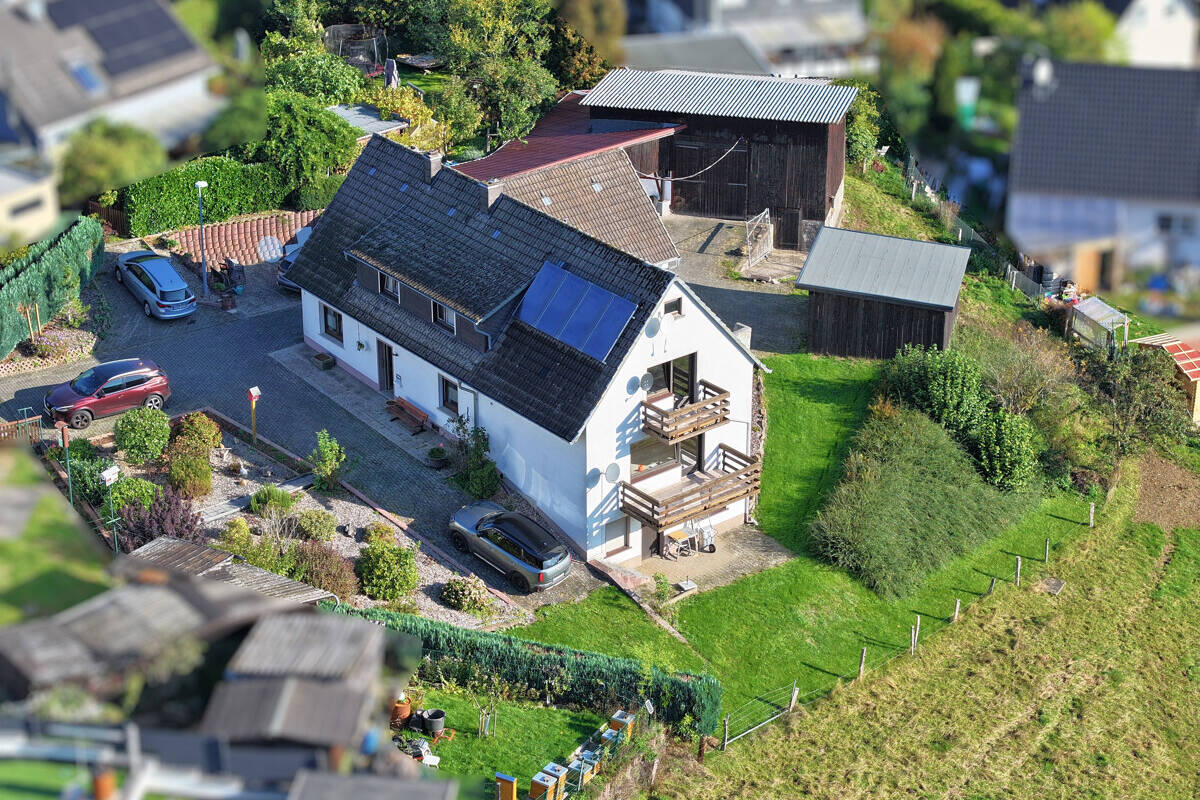
NEW: Compact farmstead with contoured pastureland in Lindlar
The farm complex includes a spacious residence, a garage, a stable and barn, a coach house…
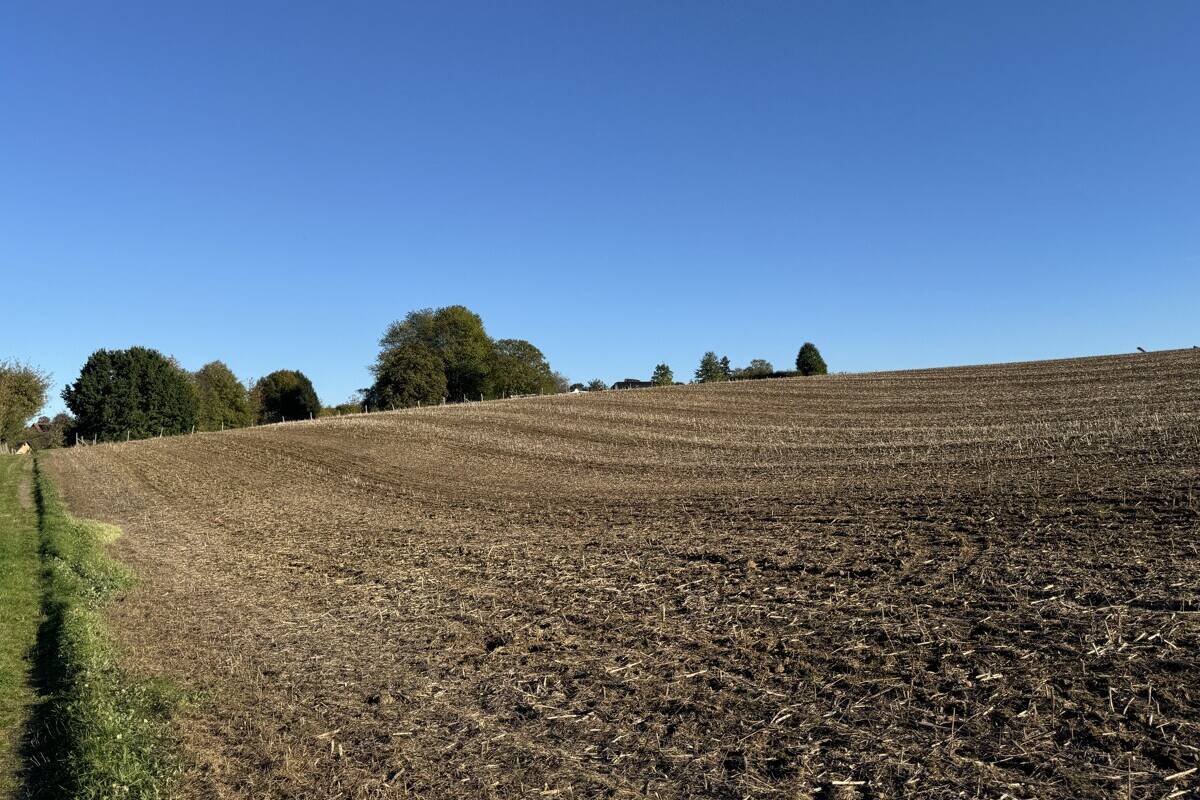
NEW: Agricultural and Forestry Land in Hennef
The property consists of a total of approximately 6.2 hectares of permanent pasture, approximately 4.6 hectares of cropland, and 1.4 hectares of forest, divided among…
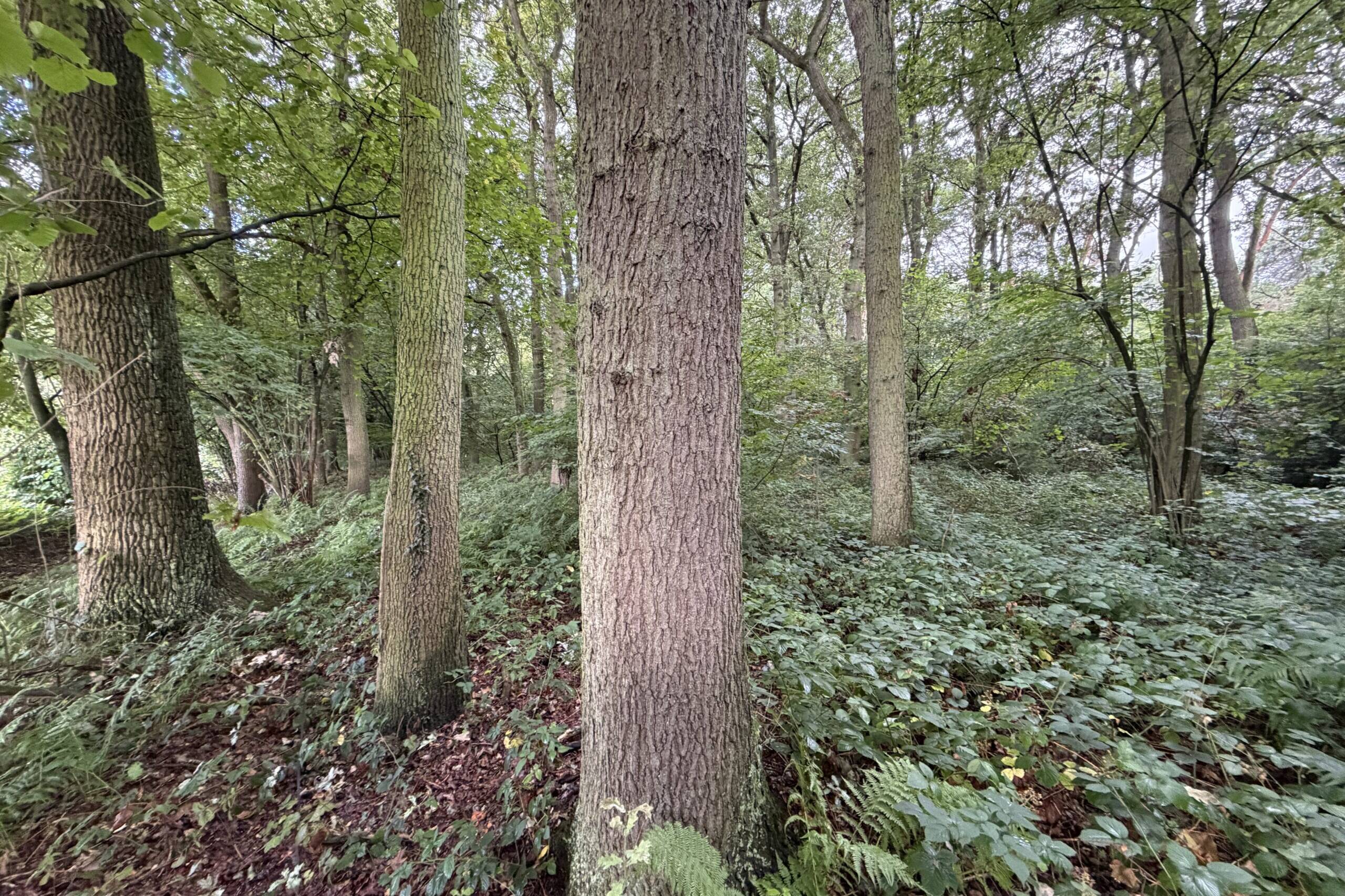
Approx. 4 ha of consolidated forest land in Hamm-Pelkum
These are primarily well-stocked stands of English oak of various age classes with…
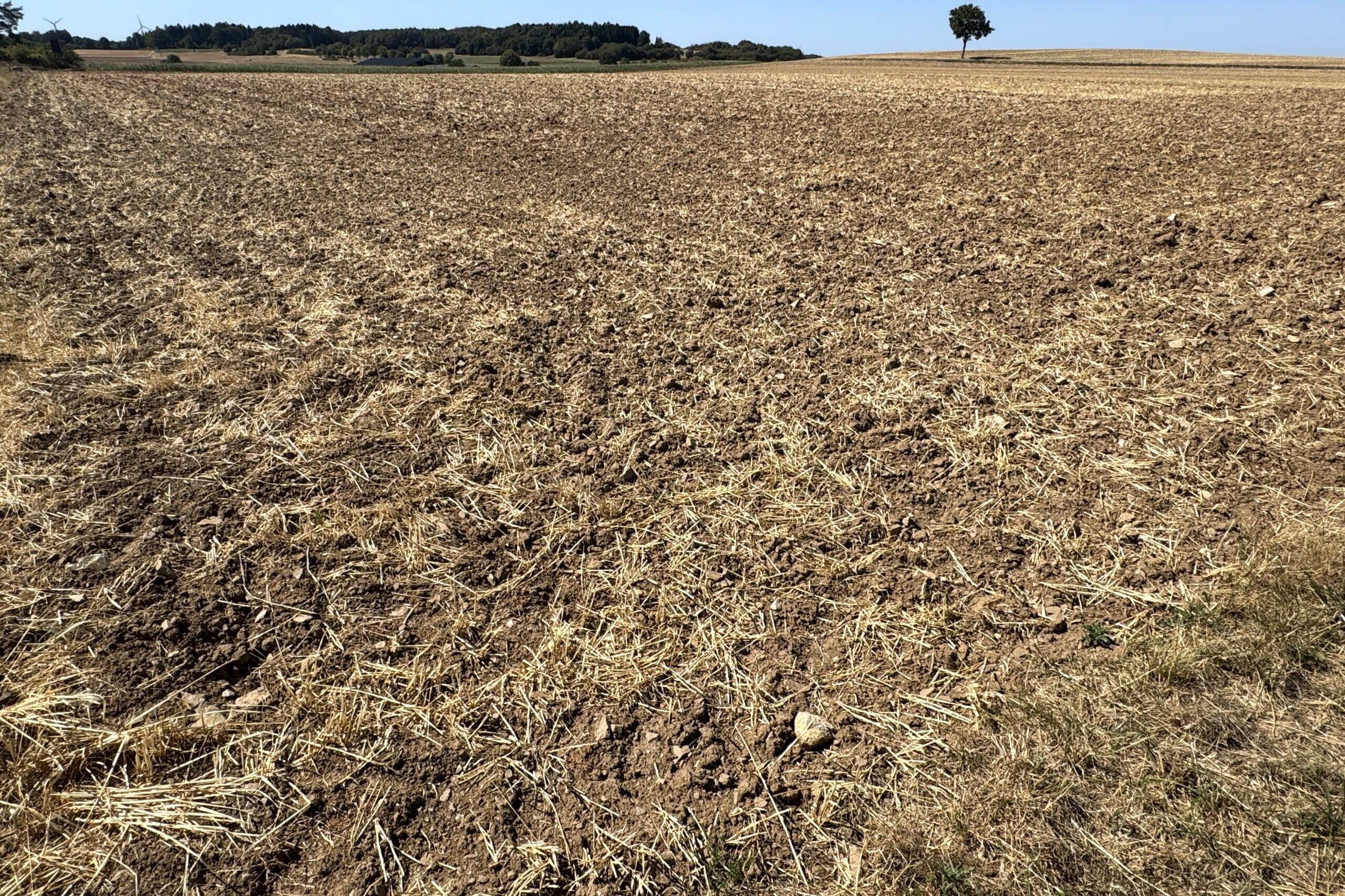
10.4 hectares of cropland and pasture in Nettersheim
The plots are located in the eastern part of the municipality of Nettersheim in the district of North Rhine-Westphalia…
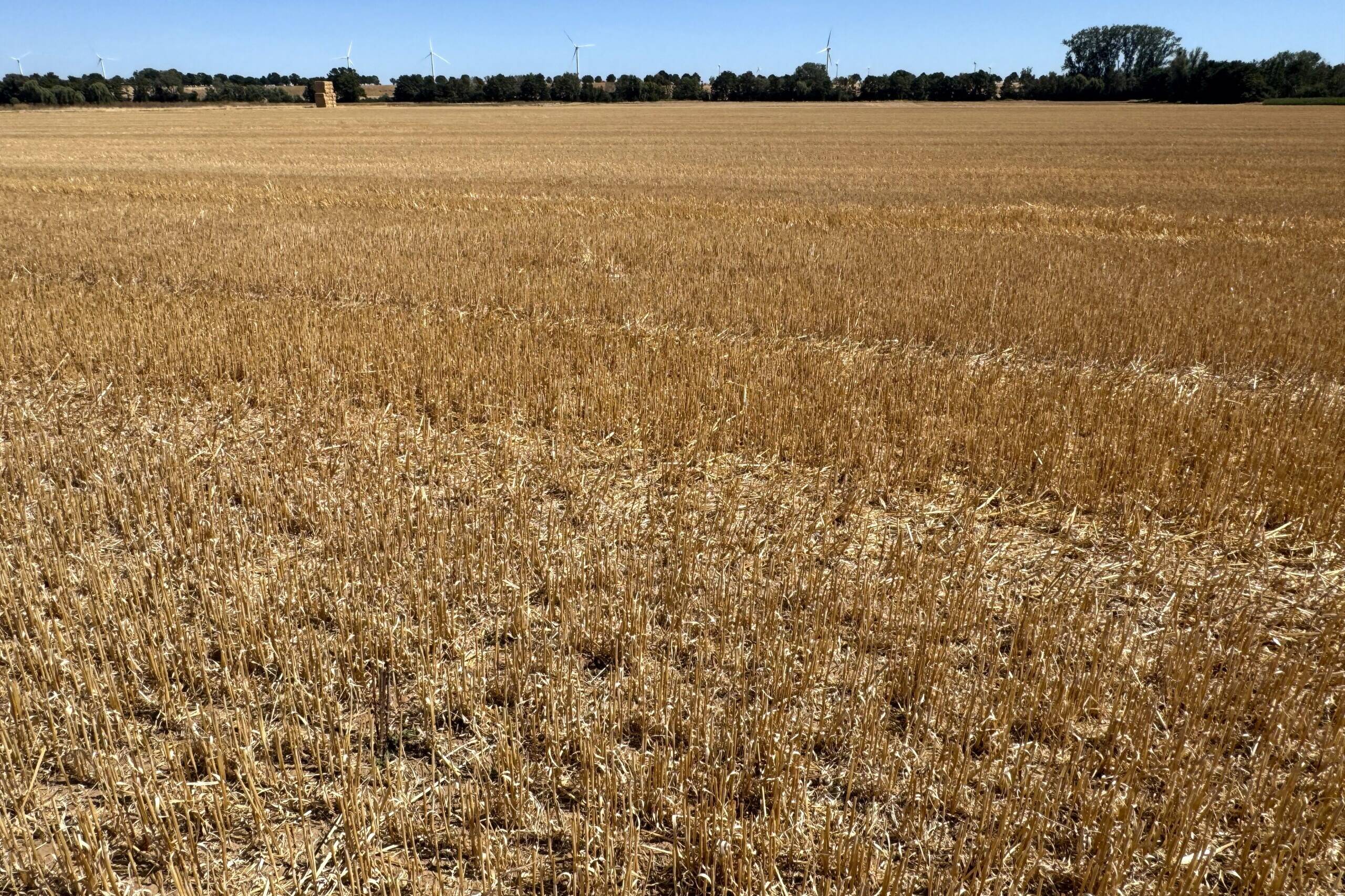
13.5 hectares of farmland in the Zülpicher Börde
The consolidated farmland is located between the towns of Zülpich and Euskirchen, in the district of Euskirchen,…
Have you already been in contact with Greif & Meyer, then...
Rate us! For every review, we’ll fund the planting of a tree in your name in a…
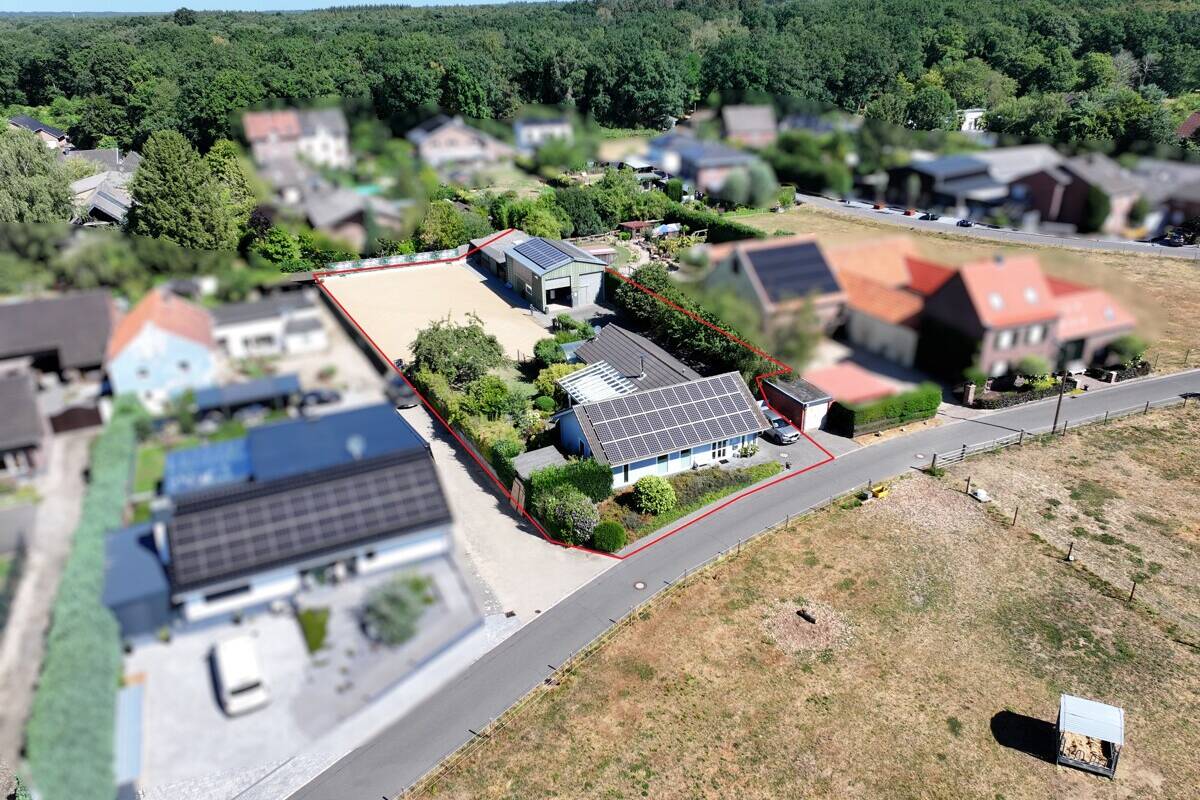
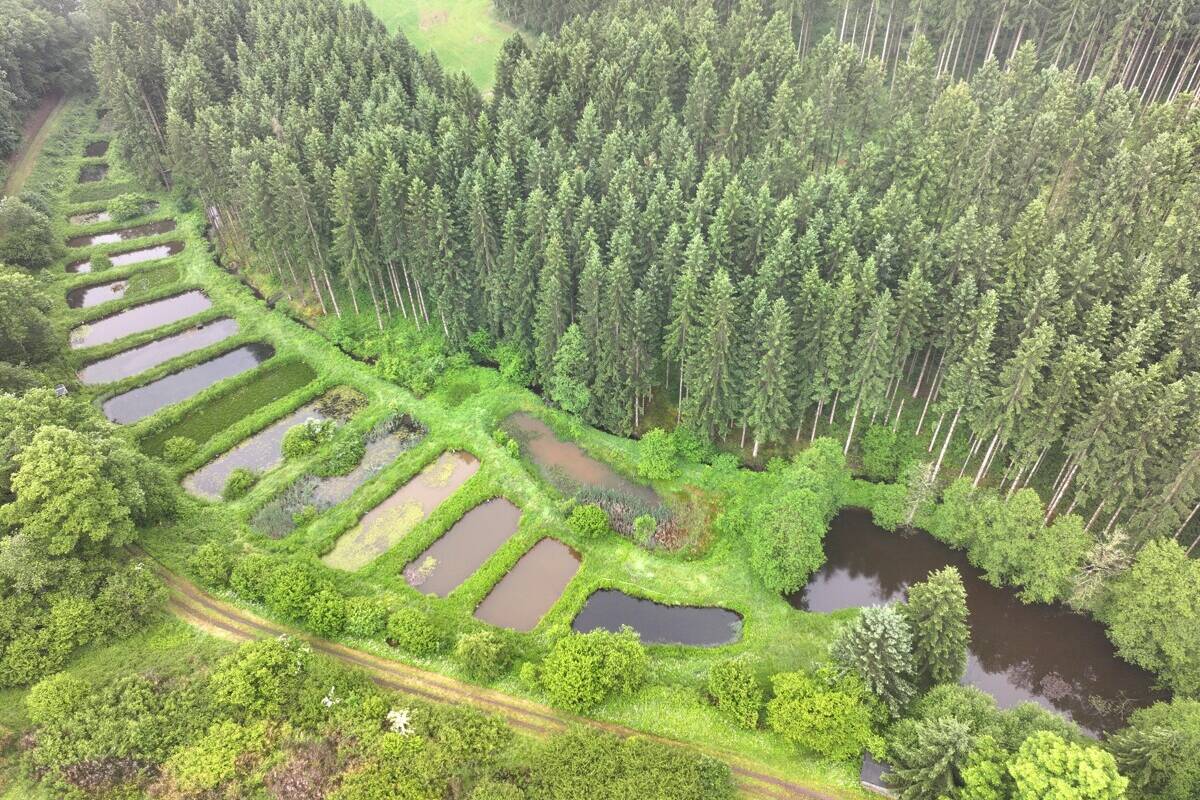
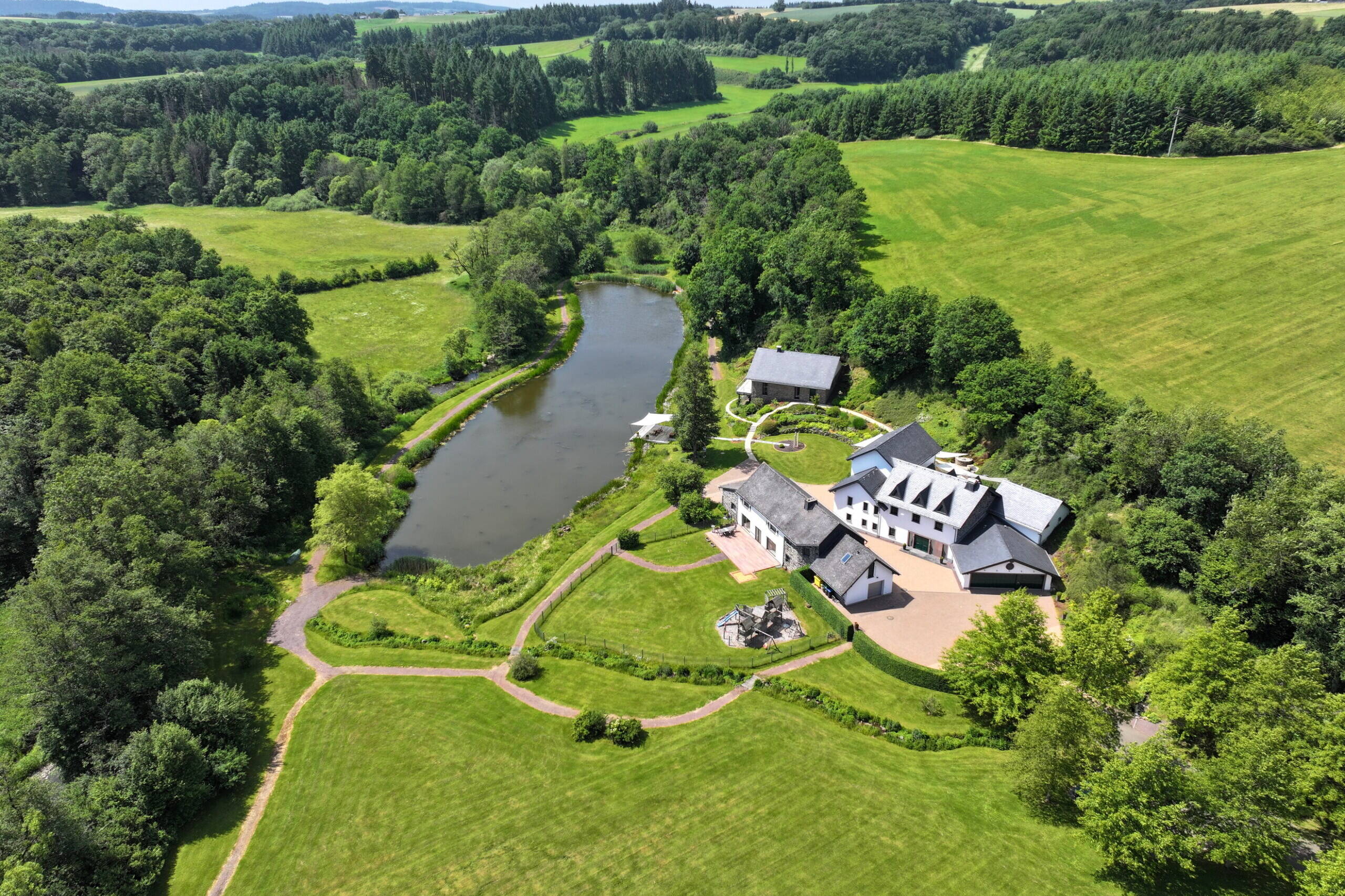
Magnificent mill estate with an outstanding private hunting ground successfully sold!
We hope the new owners enjoy this one-of-a-kind property!
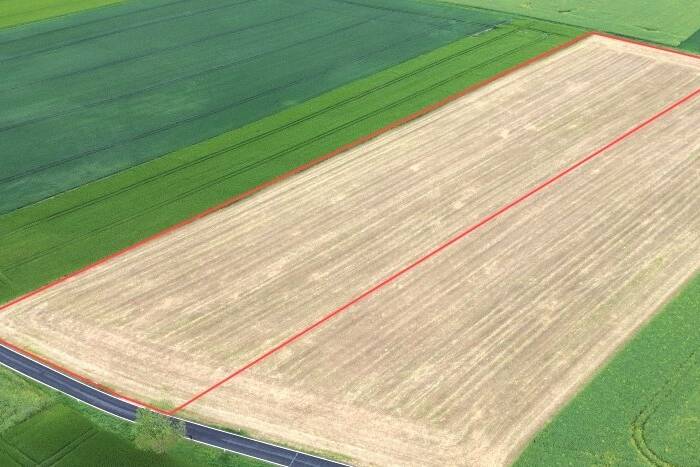
3.7 hectares of farmland in Kerken
into three roughly equal sections. Feel free to sign up here.
Invest in a sustainable forest fund through Greif & Meyer!
Starting now, we’re offering the opportunity to invest in sustainably managed forests without…
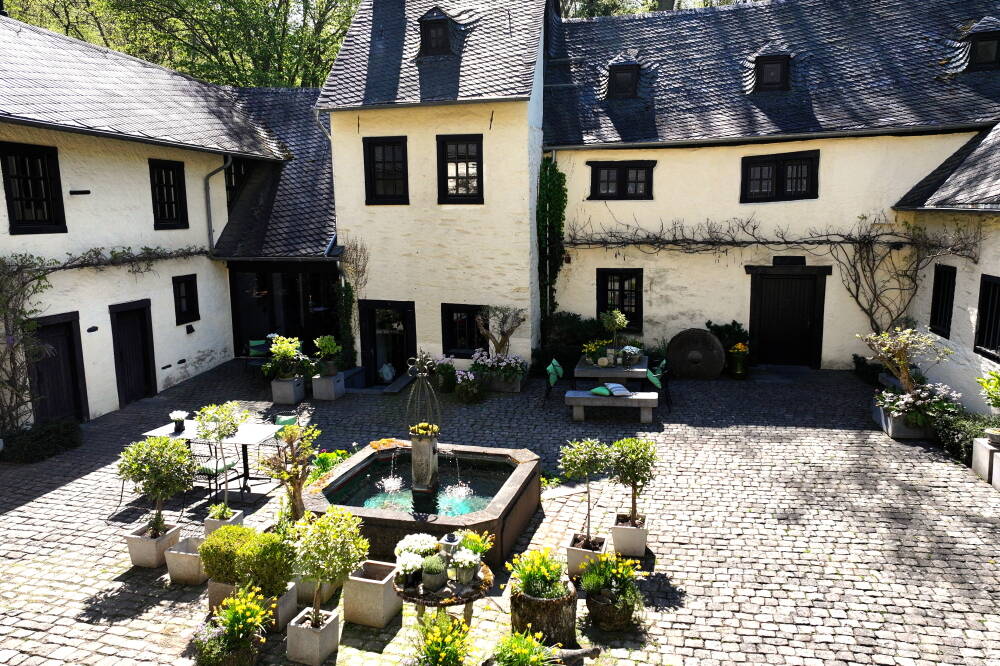
A charming, beautifully renovated mill estate in the Vulkaneifel!
This exceptional property offers plenty of space for those who value individuality in a stunning…
Back to our roots: We've moved!
As of May 5, 2026, you can find us at our new office location: Robert-Heuser-Straße 15, 50968 Cologne,…
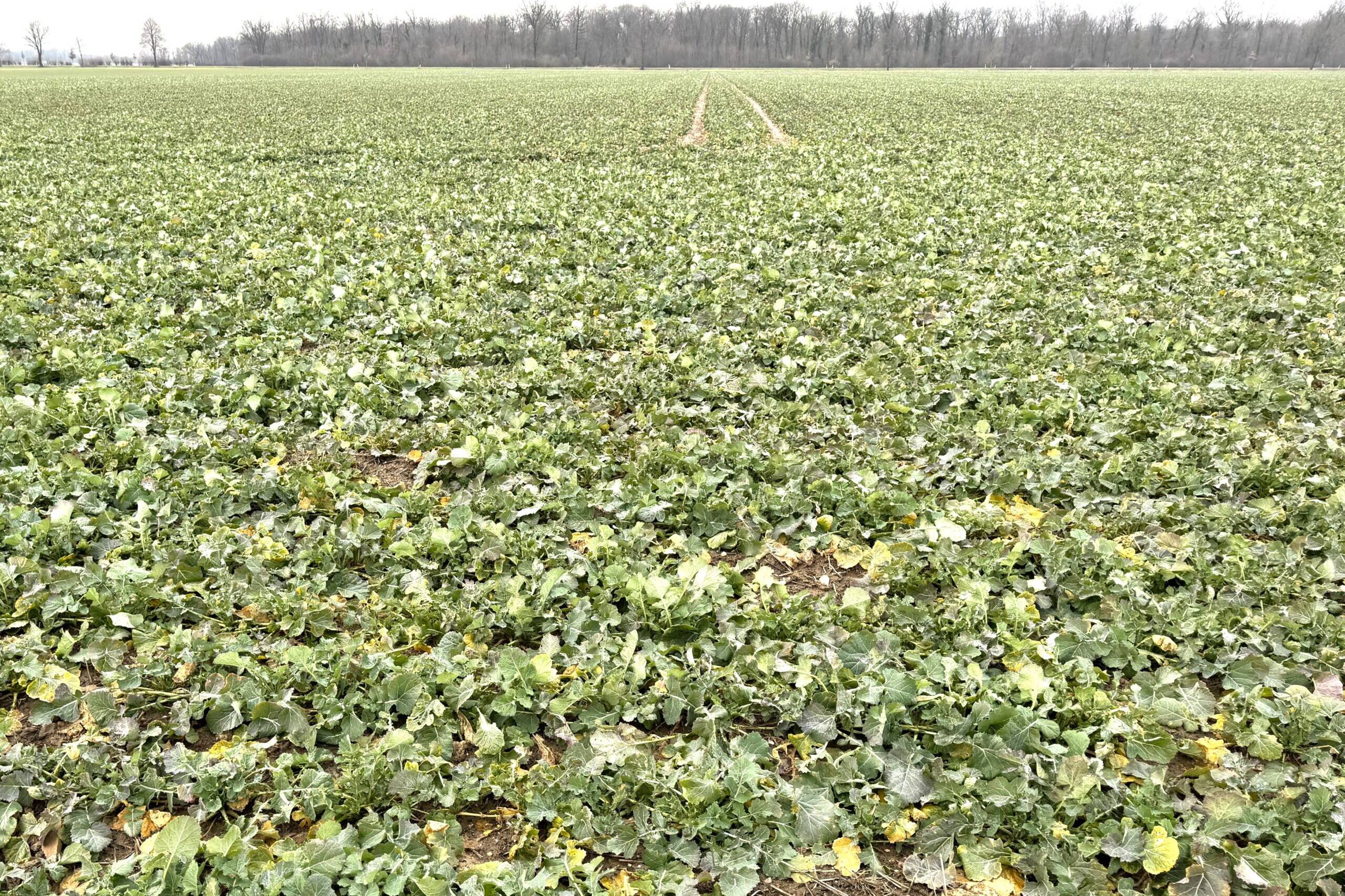
Extensive land parcel (26.5 hectares of farmland) in the Zülpicher Börde
A total of approximately 26.5 hectares of farmland in the Zülpicher Börde is being sold. The parcels are located within…
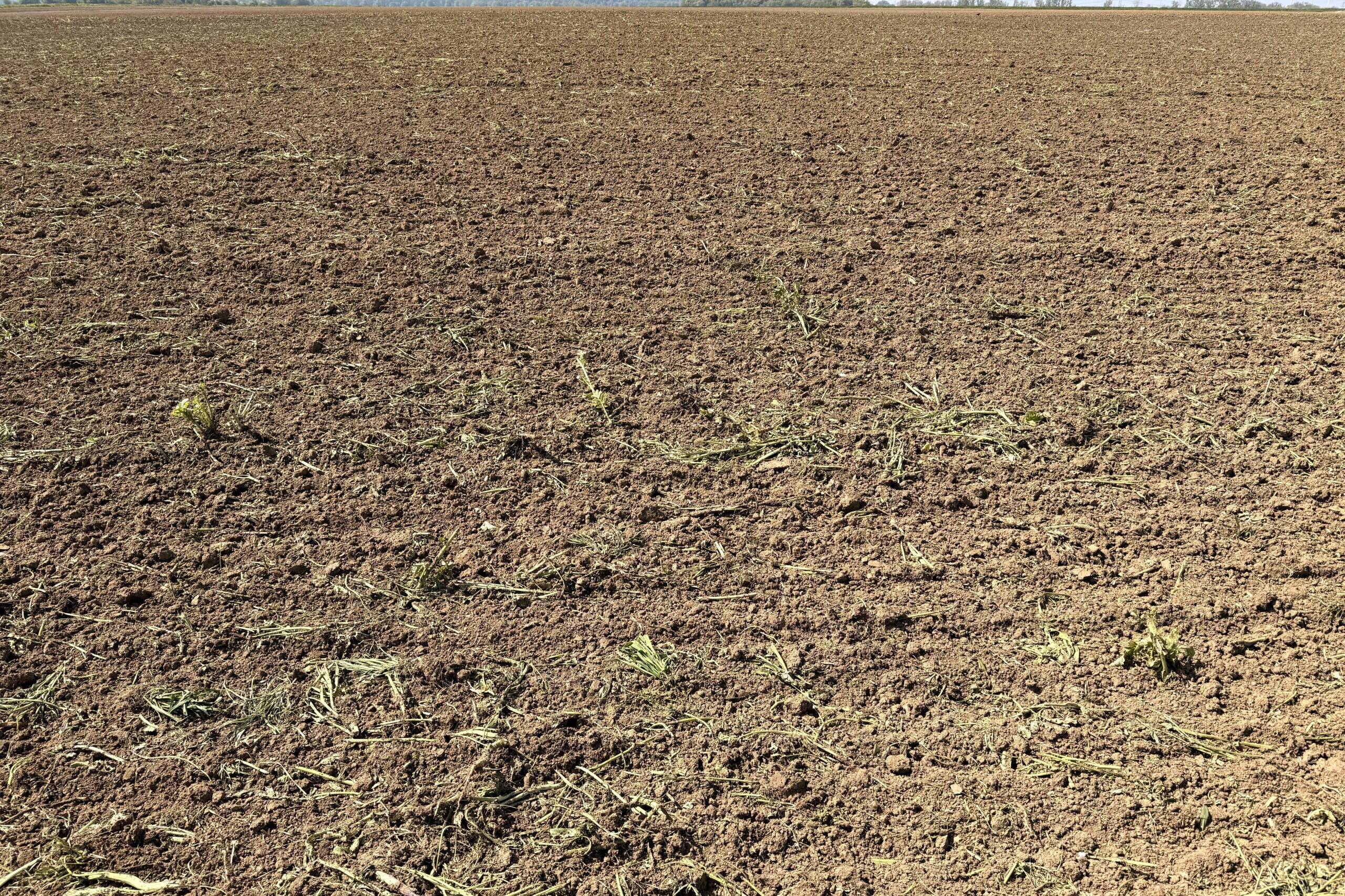
4.2 hectares of farmland between Bergheim and Pulheim
These are two adjacent, well-rounded, and well-shaped fields (approx. 1.7 ha and approx. 2.5 ha)…
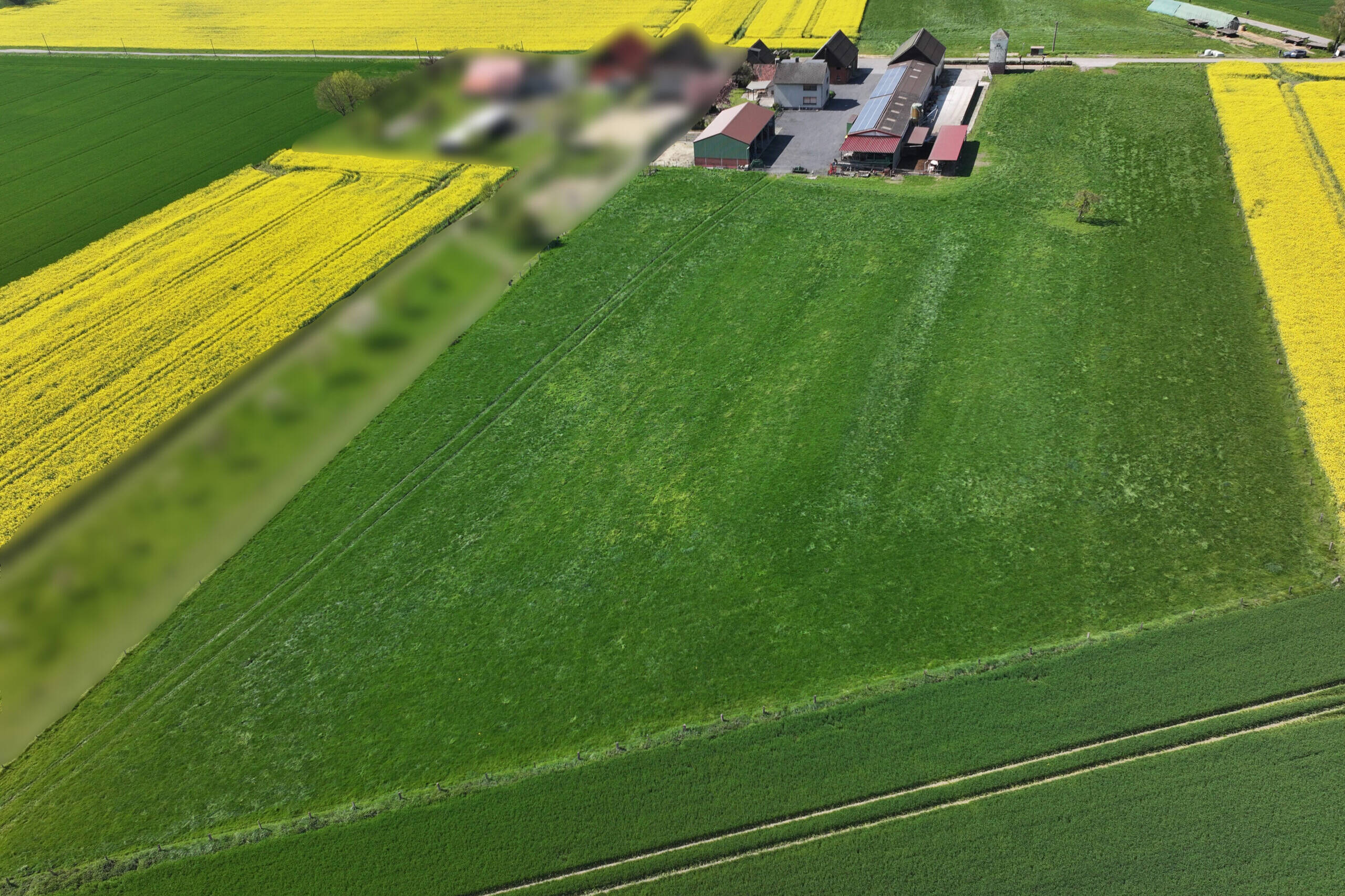
Farmstead in Unna
This well-maintained farmstead in a quiet location consists of a residential building and various barns and other structures…
Farmland in East Westphalia-Lippe
The farmland is located between Lippstadt (Soest district) and Rietberg in the East Westphalian district…
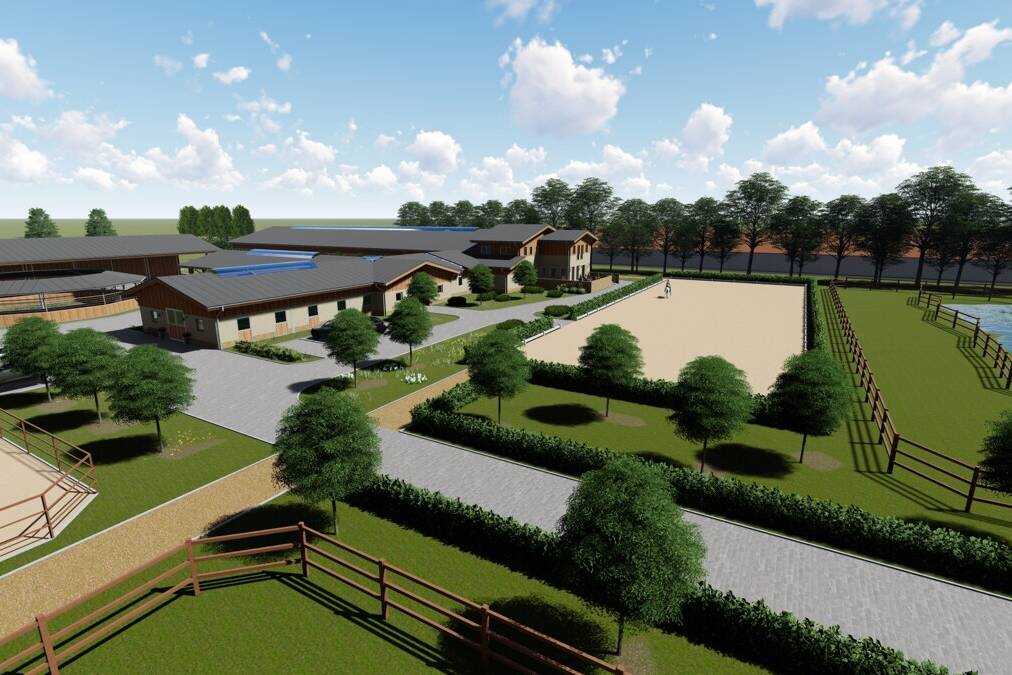
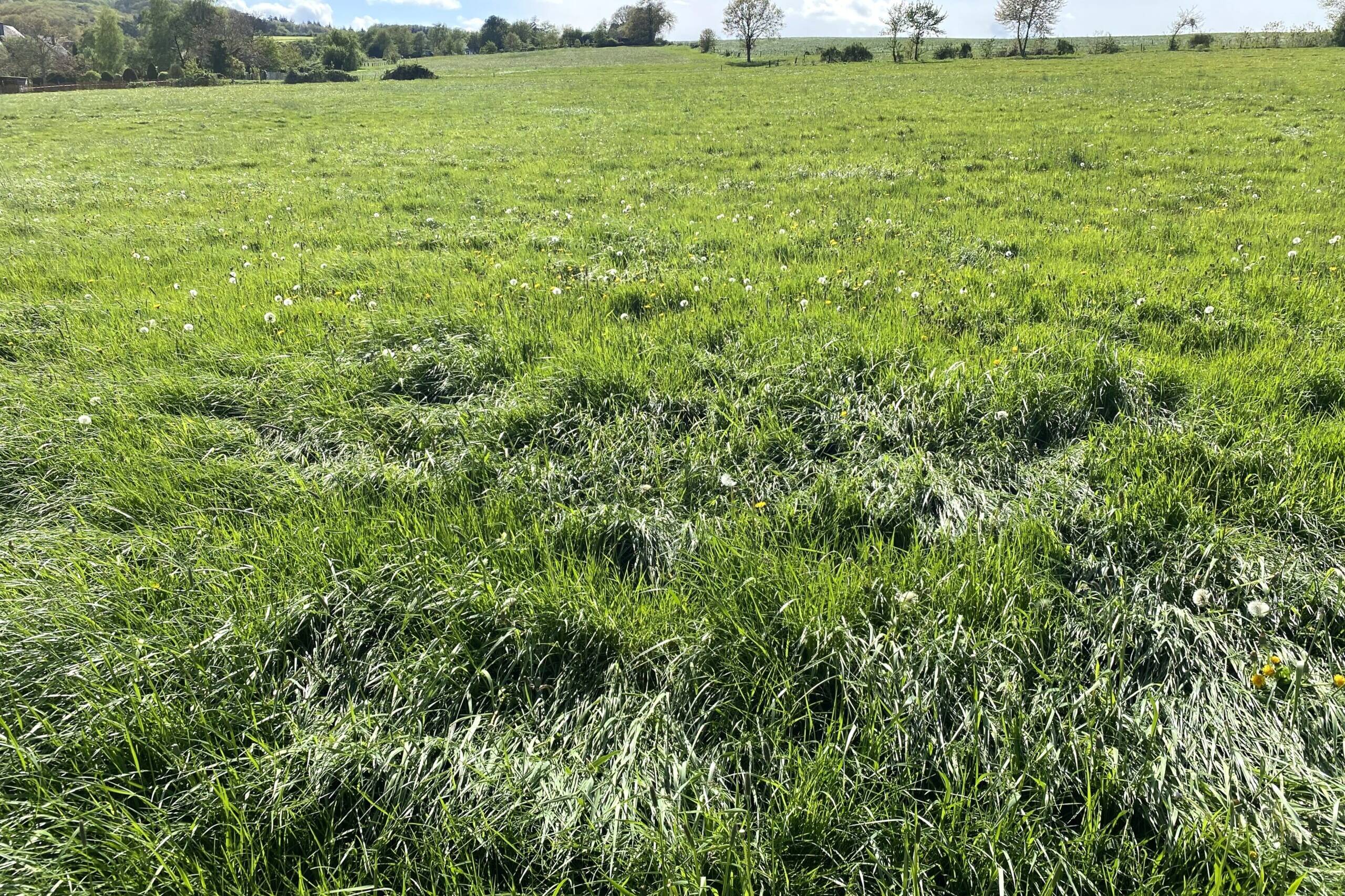
Pastureland and farmland in Bornheim (Rhld.)
A total of approximately 1.2 hectares of agricultural land is being sold. Of this, approximately 1 hectare is pastureland…
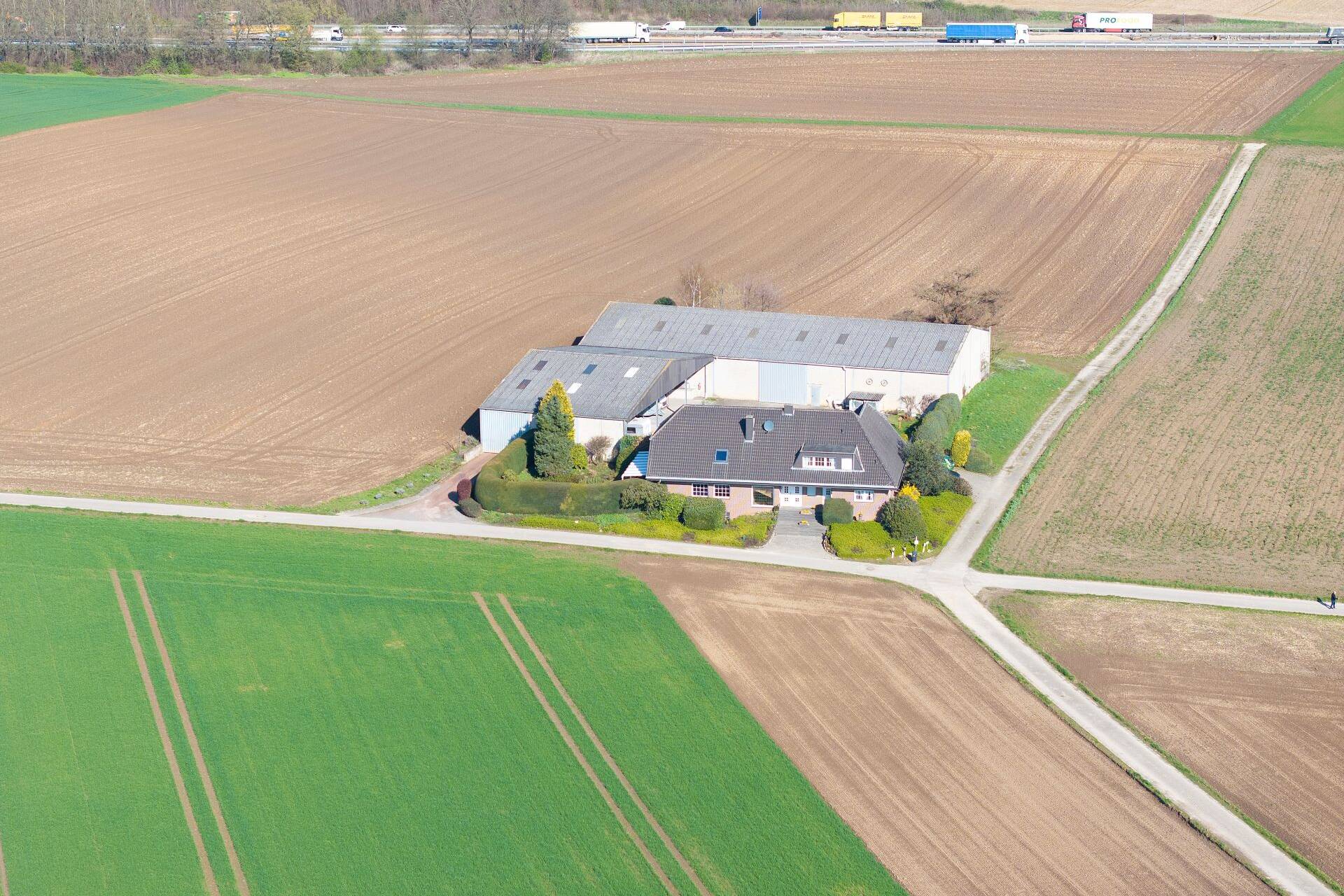
Farmstead with a residential house and outbuildings in a secluded location near Grevenbroich
Includes a granny flat, warehouse, shed, and adjacent farmland in the Rhein-Kreis-Neuss district.
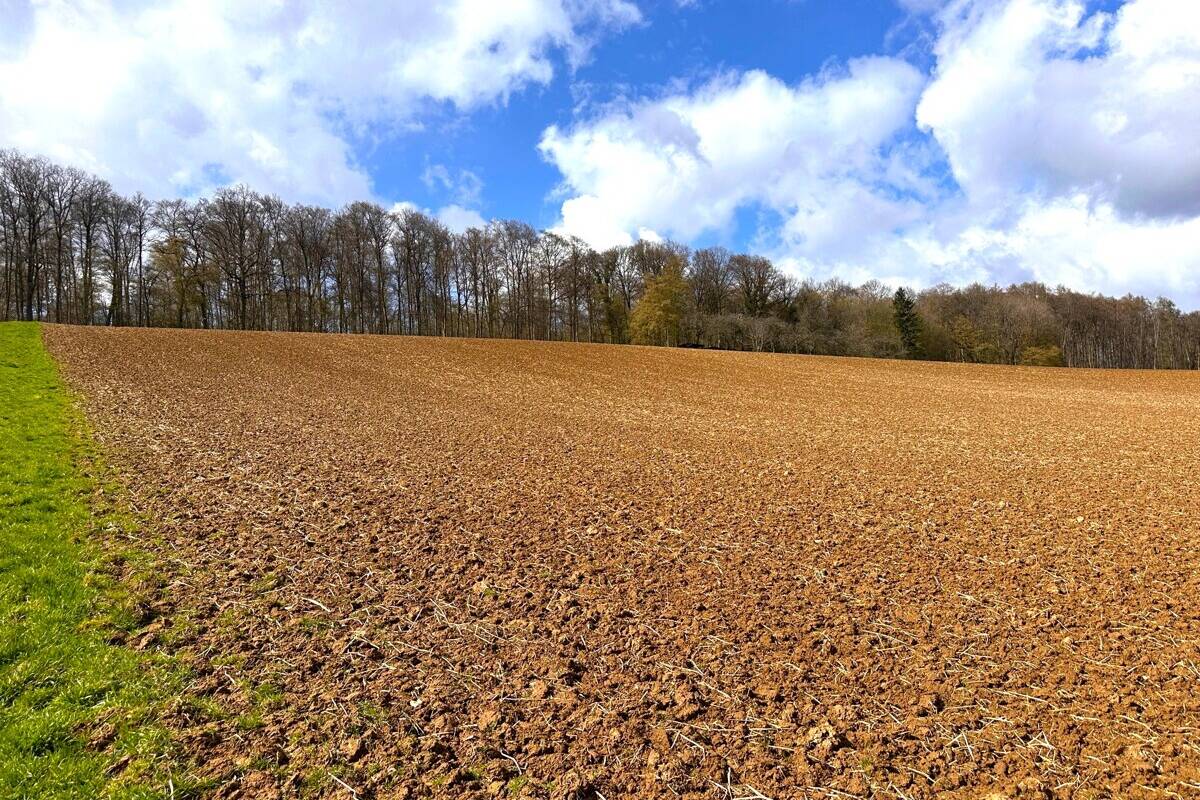
3.7 hectares of farmland in the Main-Spessart district, Bavaria
These are four fields with a total area of approximately 3.7 hectares. They are flat to gently sloping…
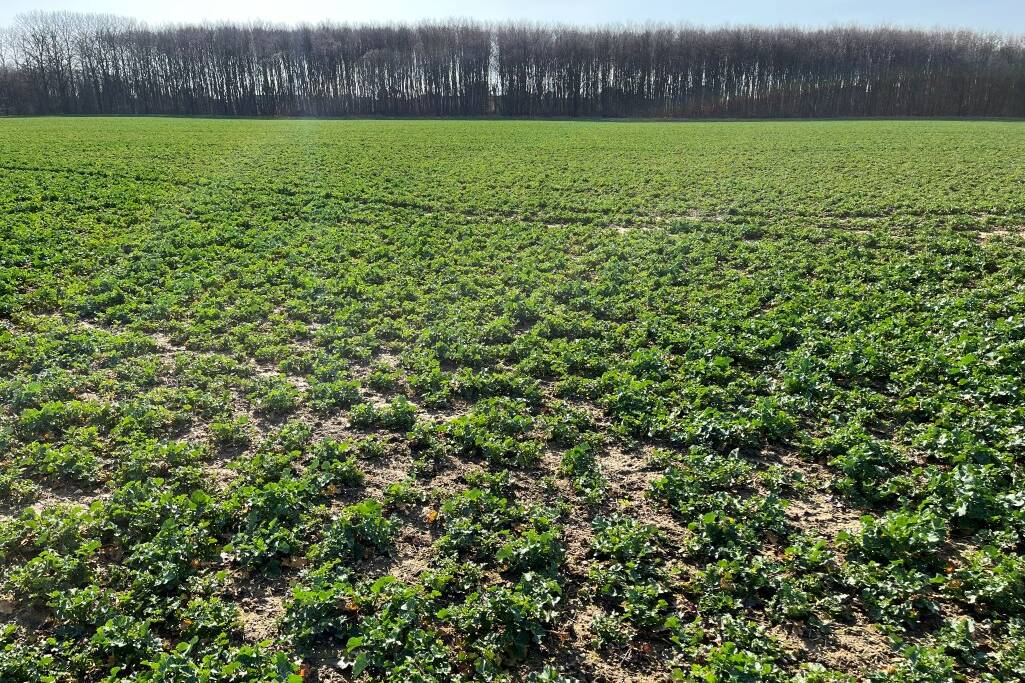
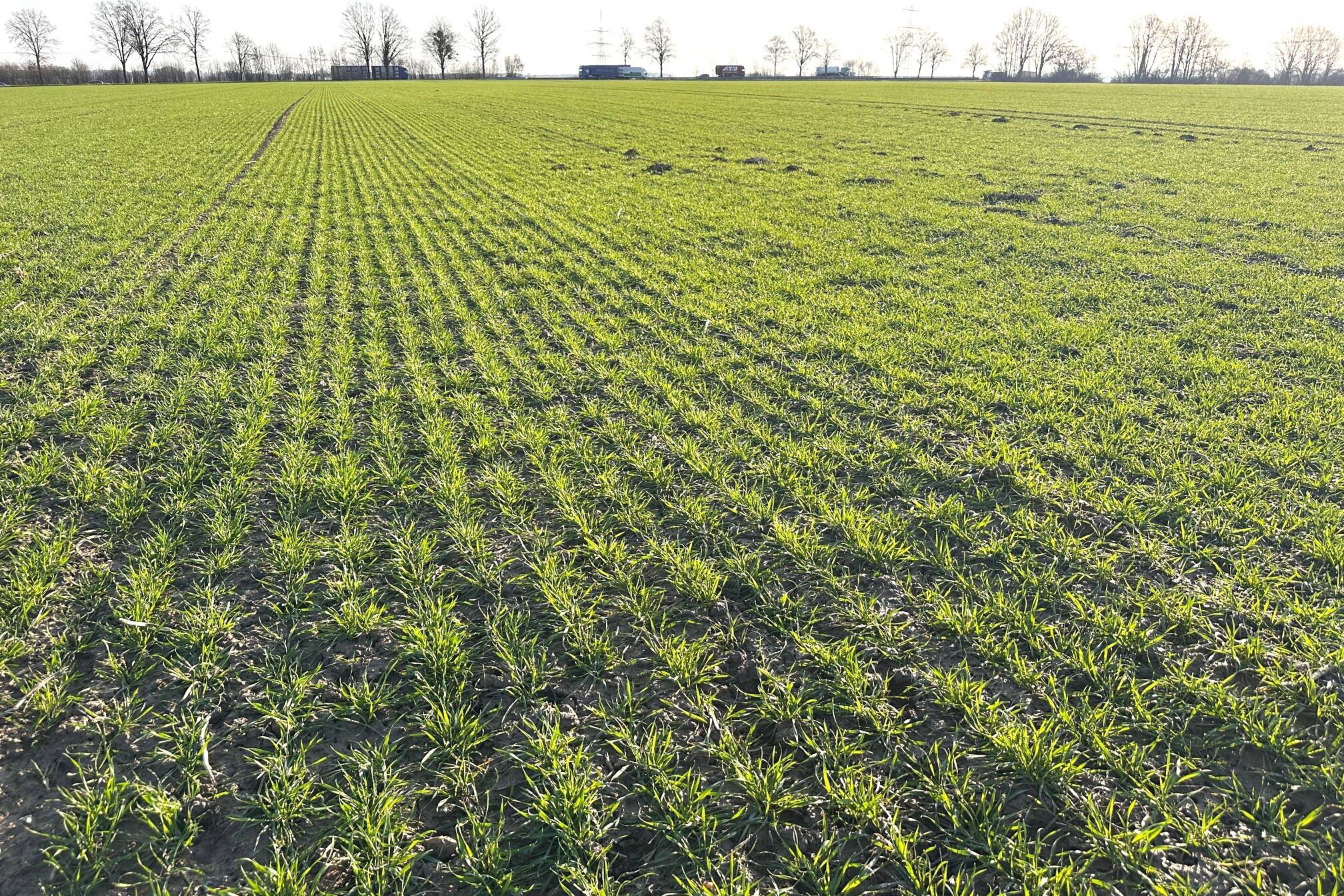
1.9 hectares of farmland in the district of Soest
The farmland (approx. 1.9 hectares) of good quality is located in Werl, Soest district, North Rhine-Westphalia.
WANTED: Riding facility or remaining farm
Ideally with adjoining agricultural land. Historic/listed buildings are also welcome.
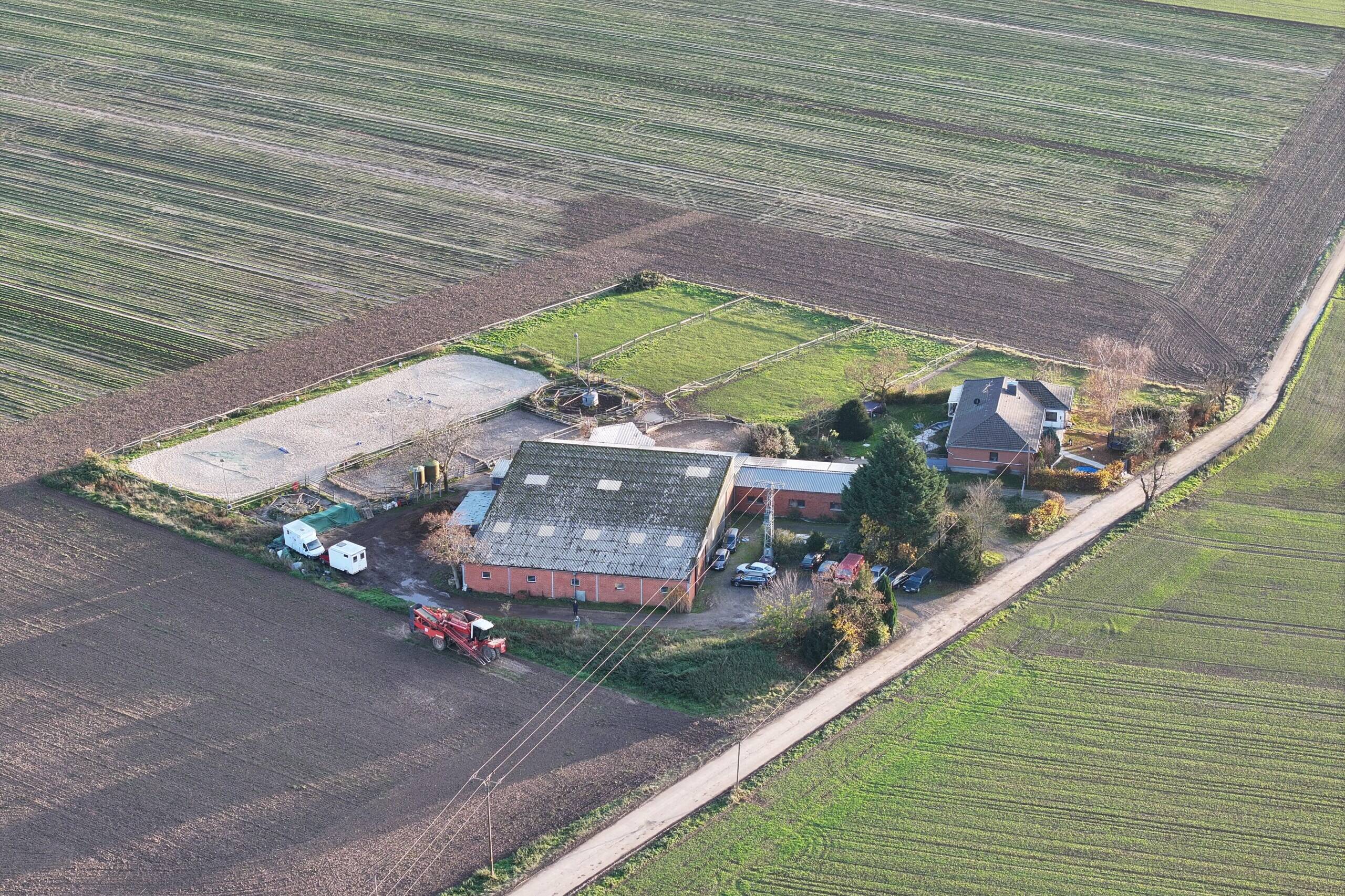
Resettled farmstead in a secluded location near Erftstadt
Built in 1973, the farmstead consists of a residential building with separate living quarters for elderly parents and an underground garage, a...
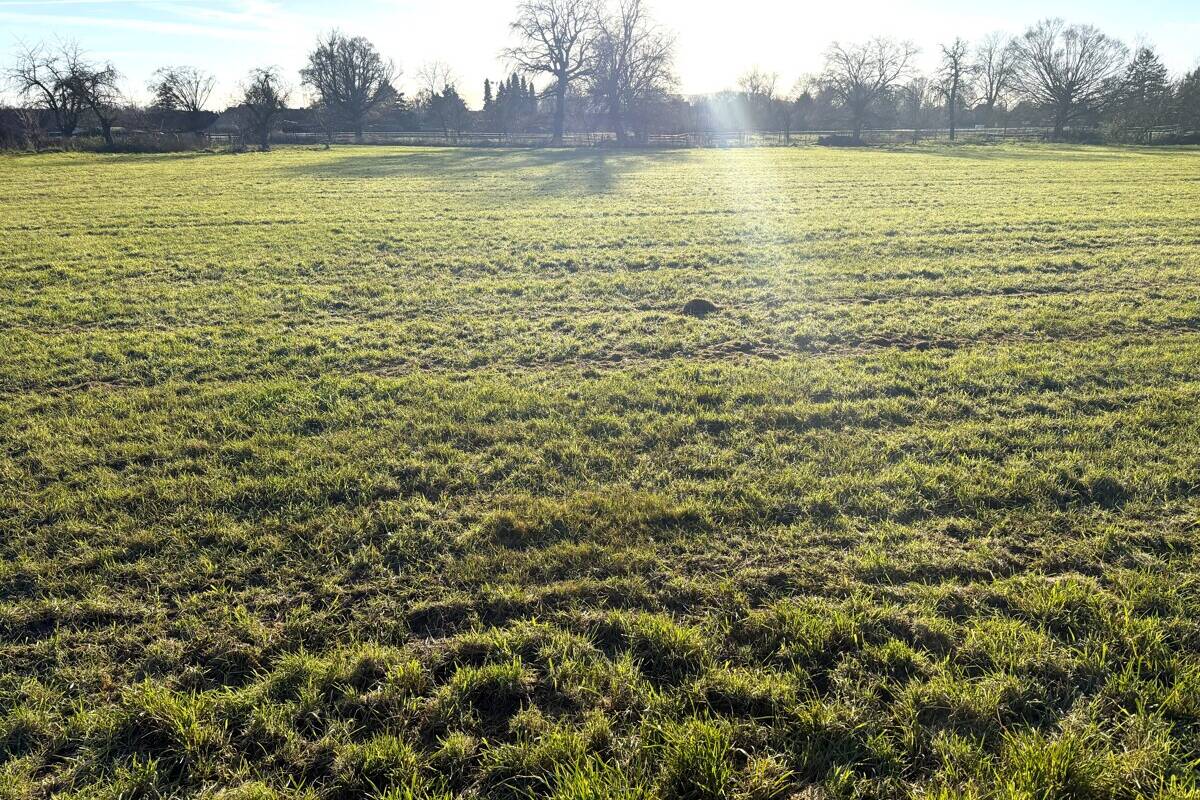
Grassland/pasture land in Linnich
A small grassland/pasture area of approximately 0.7 hectares on the outskirts of a neighborhood in Linnich, Düren district,…
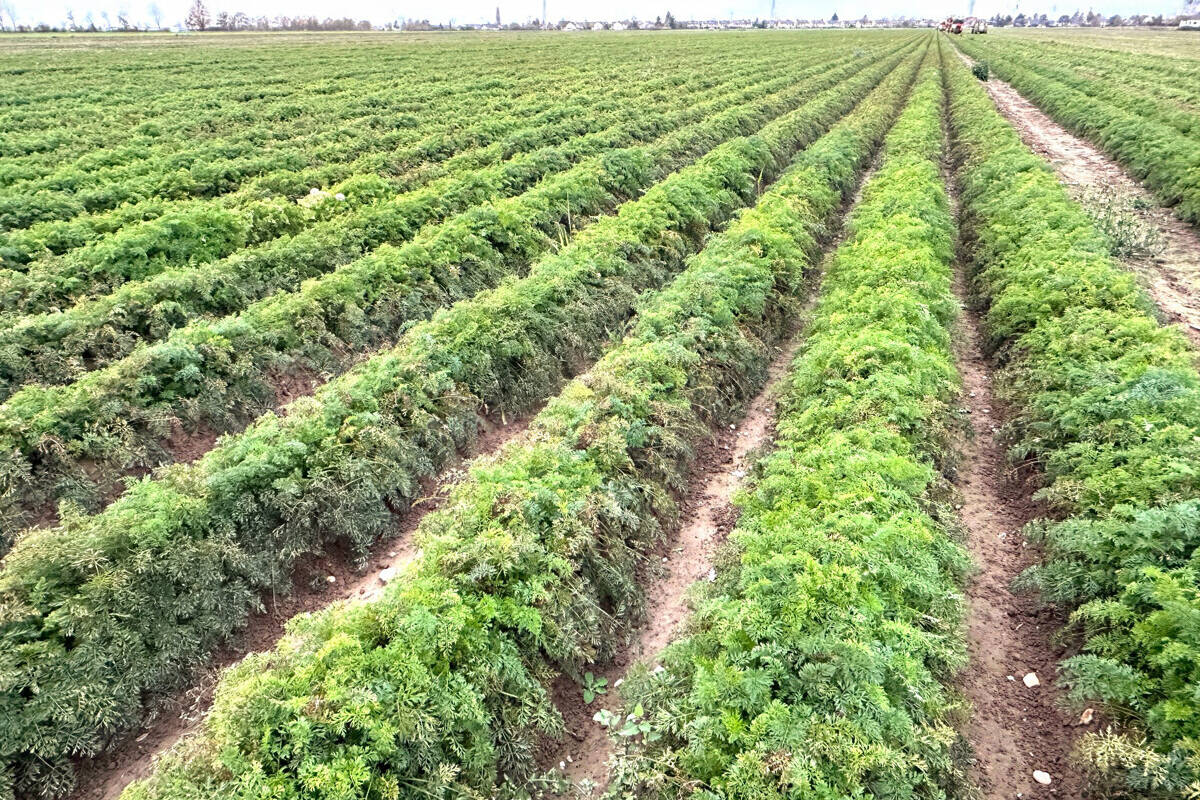
Large areas of farmland with forest cover in the Rhine-Erft district
This special offer comprises two well-developed, consolidated plots (21.6 ha...
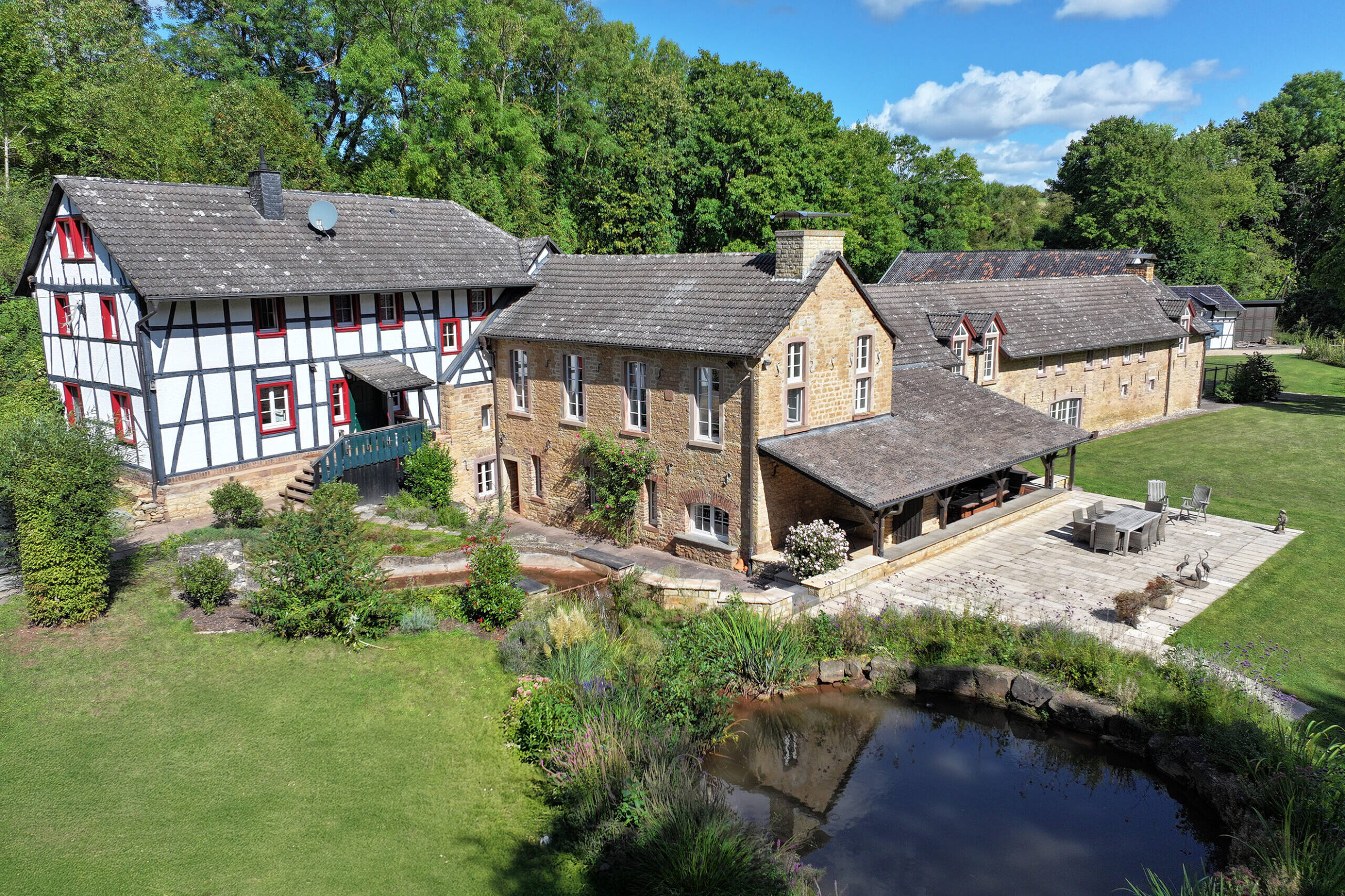
Historic mill property in the Rhineland successfully brokered!
The future owners are delighted to have a spacious retreat surrounded by beautiful……

Agricultural privilege - what does that mean?
The so-called agricultural privilege is a central concept in German building planning law....
Residual farm with a total of approx. 65 ha of rounded agricultural land in the district of Cuxhaven
The land is mainly arable land. Part of the land is currently undergoing...
Small grassland area in Barntrup
It is a small area of grassland with a small wooded area on the outskirts of Barntrup....
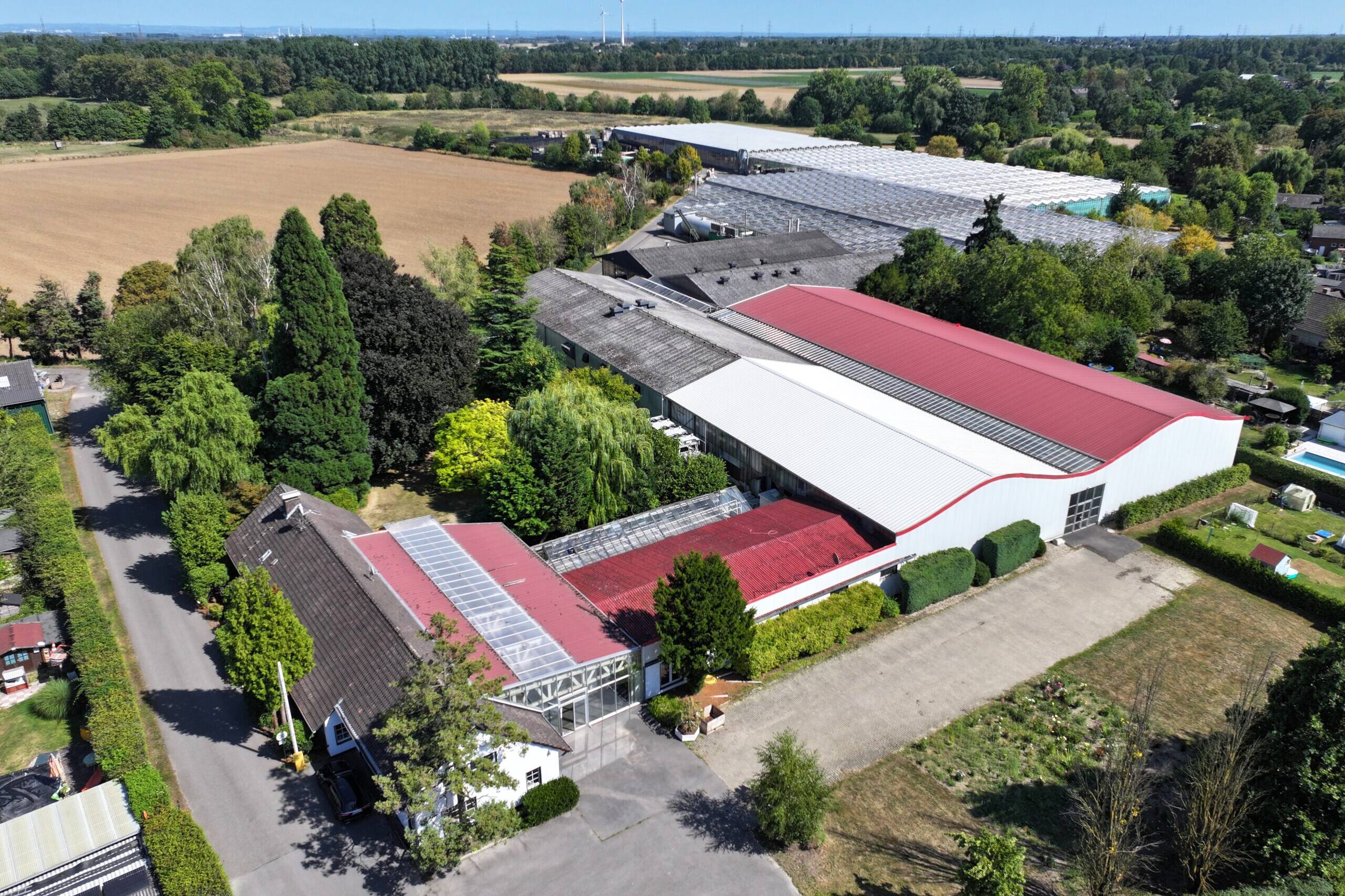
Modern plant cultivation company in Neuss/NRW
This is the site of a plant cultivation company with adjacent arable land. For the...
How do you determine the value of an agricultural, forestry or equestrian property?
The value of a property is determined by a combination of various factors such as...
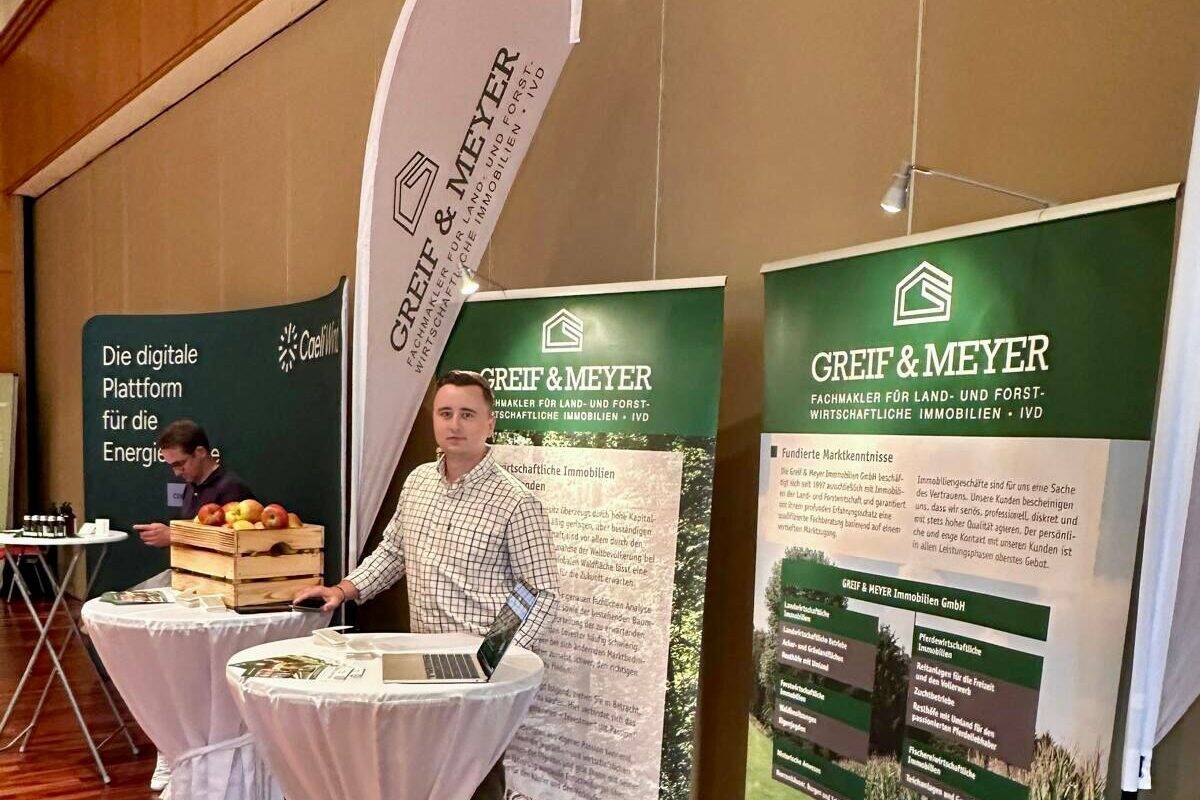
Greif & Meyer at the Forest Farmers' Day 2025
In addition to many exciting technical presentations, numerous good discussions with representatives from the...

Magnificent castle estate on the Moselle
The beautiful property offers extensive potential for a variety of use and development concepts.

Greif & Meyer in the LZ: Competent, reputable and discreet
"We are something like a dating agency for farmers - we bring...

Real estate tracking for owners
As an owner, you have the opportunity to manage all activities relating to your property via our...
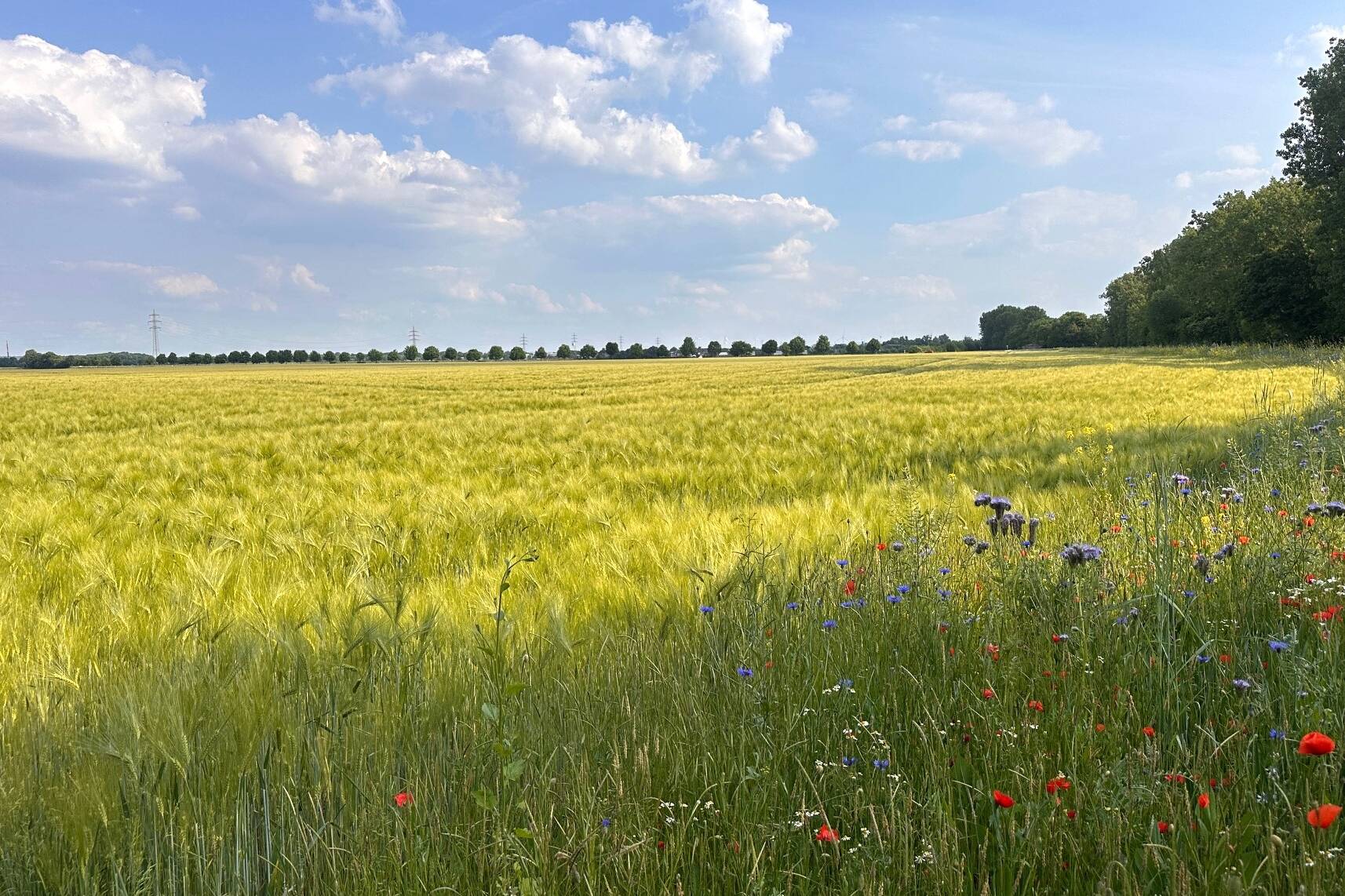
Rounded-off arable land (19 ha) in the Rhein-Erft district successfully sold!
The land will continue to be used for agricultural production in the long term. We wish the new...
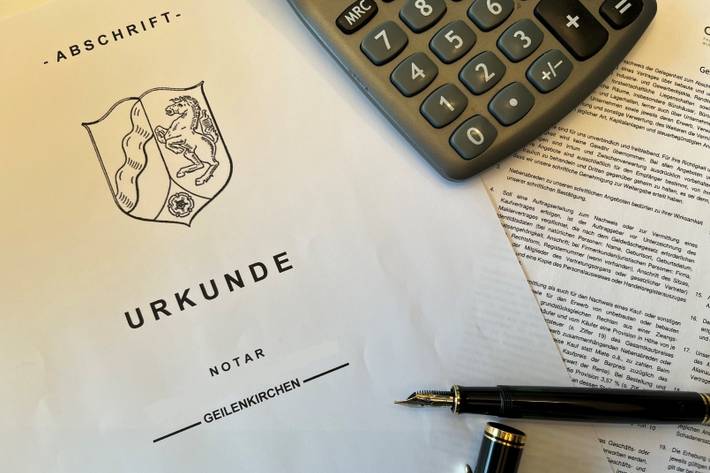
Worth knowing - Incidental purchase costs
In addition to the purchase price, there are other costs associated with a real estate purchase such as...
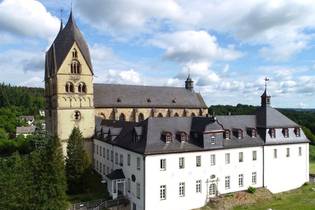
The Ravengiersburg monastery has a new owner!
In the foreseeable future, the building is to be converted into a modern senior center with autonomous residential groups. We...
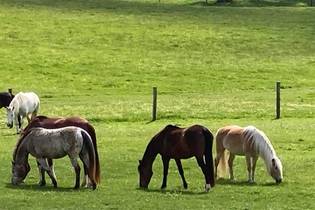
Bonn in 10 minutes! Resettlement farm in a secluded location in the Rhein-Sieg district
With a high-quality renovated residential house, retirement section, stables, riding arena and approx. 3 ha of grassland directly on the farm....
Agricultural business in the Zülpicher Börde
Arable farm with approx. 36 ha of freehold land in the Zülpicher Börde. The takeover of existing...
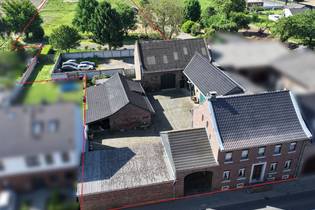
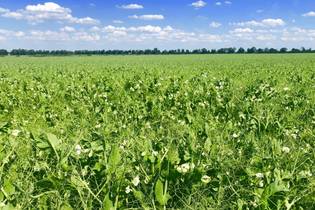
19 ha arable land in Erftstadt, Rhine-Erft district
This special offer is a completely rounded off, level and easily accessible plot of land.
Arable land in Titz
1.6 ha arable land of very good quality in Titz, northern district of Düren, North Rhine-Westphalia.
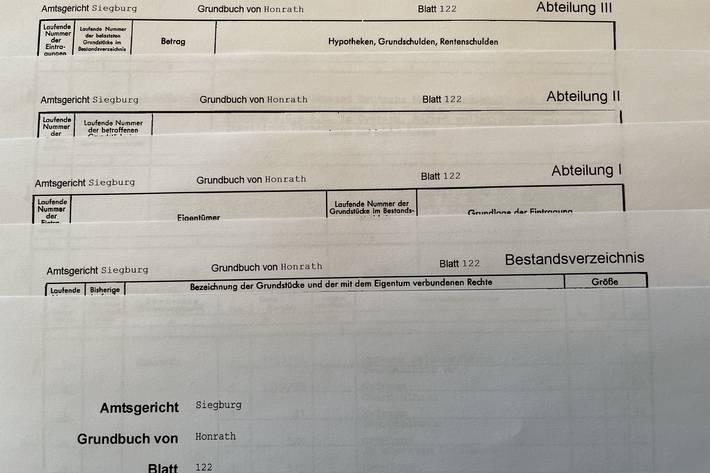
Worth knowing - The land register
The land register is a public register kept at the local court.
Grassland in Kreuzau
1.5 ha grassland area in Kreuzau, Düren district, North Rhine-Westphalia.
Rounded-off arable land and grassland in the district of Soest
A total of approx. 8 ha, of which approx. 6.1 ha is arable land and approx. 1.9 ha is grassland.
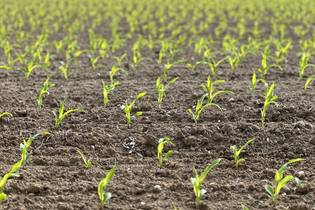
25 ha of top-quality farmland successfully brokered!
The areas located in the Rhine-Erft district and in the area of the city of Cologne have an average...
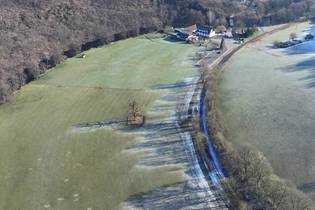
Beautifully situated property in the Düren district
With a variety of possible uses, several residential units and 25.2 hectares of rounded agricultural land, the...
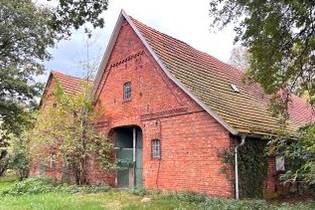
Farmstead with approx. 10 ha of arable land and grassland in Tecklenburger Land
Formerly used as an agricultural property, partly in need of renovation, in a quiet, outlying and...
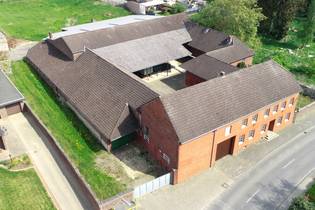
Square farm in Erkelenz (district)
Versatile property on a total area of approx. 5,400 m². An undeveloped part of the plot of...
Arable land and grassland in Goch
A total of approx. 1.3 ha of rounded arable land and grassland in Goch.
Magnificent historic square farm with spacious stables, indoor riding arena, riding arena and grassland in the district of Düren
In addition to the lovingly renovated property, there is a small detached house directly adjacent and a...
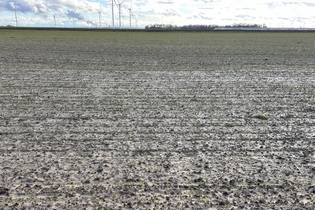
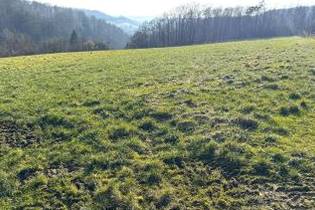
Grassland in Morsbach
A total of approx. 4.9 ha of grassland, divided into three areas. The individual areas amount to approx. 2.7 ha and...
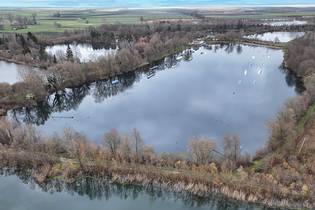
Lakeside property with water sports leisure facility in Bavaria
As a future-proof livelihood or interesting investment!
Forest estate/own hunt wanted
As the exclusive partner for a foundation from the steel industry, we are looking for a country or forestry estate nationwide,...
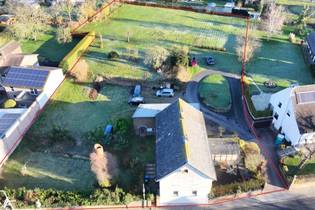
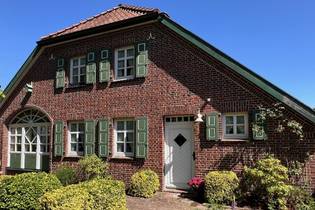
SUCCESSFULLY SOLD: Idyllically situated country house with adjoining grassland near Aurich, Lower Saxony
We wish the buyer much pleasure with this wonderful property!

Forest/own hunt at the gates of Cologne
10 minutes to the city limits. 141 ha in total, including 126 ha of forest and 15 ha of waters/lakes. Black, low,...
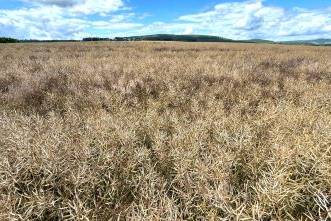
Arable land in the district of Düren
A total of approx. 2.2 ha.nThe individual plot sizes are approx. 1.4 ha and 0.8 ha.nThe sale of partial plots is...
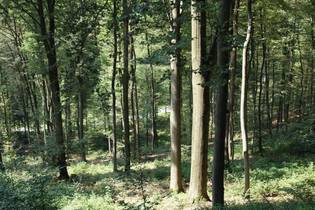
12.6 ha of rounded agricultural and forestry land in the Märkisch district
Divided into approx. 10.4 ha of forest and approx. 2.2 ha of grassland.
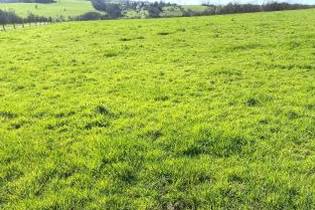
Grassland and forest areas in Windeck
A total of 12 ha, of which approx. 5.5 ha is grassland and approx. 6.5 ha is forest.
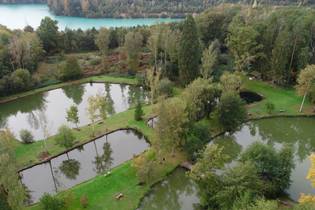
SUCCESSFULLY SOLD: Rural property with large pond near Bonn
The purchaser intends a combination of private use and the breeding of rare native species.
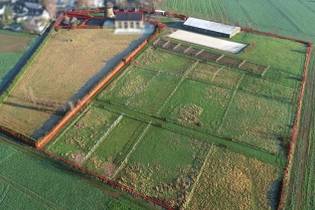
High-quality riding facility in historic estate in Pulheim/Rhein-Erft district successfully leased!
We wish the new tenants every success with this project!

Greif & Meyer in top agrar: Land markets: Are interest rates putting pressure on prices?
PRESSURE IN CONCENTRATION SPACES ...Andreas Eßer assesses the situation in a similar way. He is...
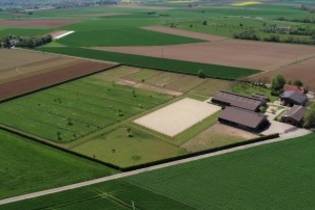
Exclusive riding facility in the Rhine-Main area successfully brokered!
The "Nußbaumhof" riding facility changed hands today. A riding school is planned for...

15 ha of forest in the North Eifel successfully brokered!
The new owner is a regionally based foundation that uses the forest areas for nature and species conservation....
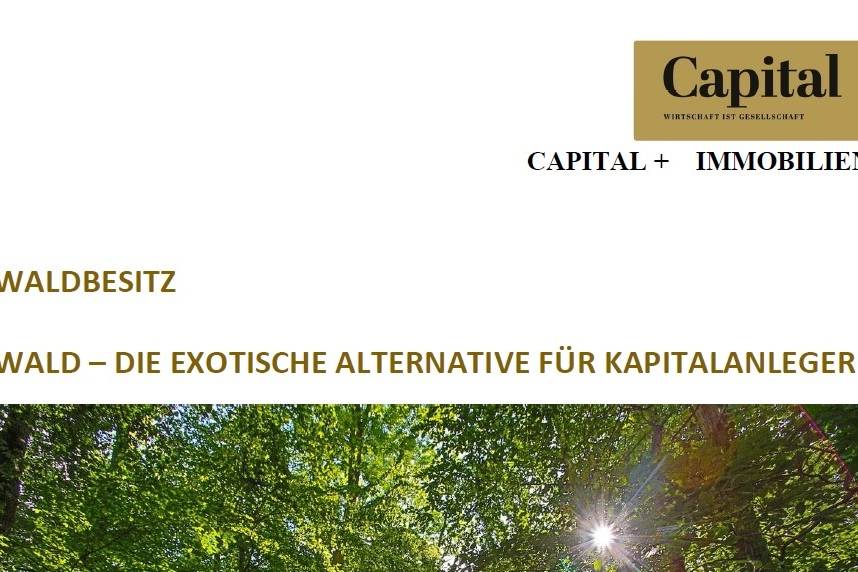
Greif & Meyer in CAPITAL: Forest - the exotic alternative for investors
by Anna Faber. Although it is expensive and time-consuming to maintain, the purchase...
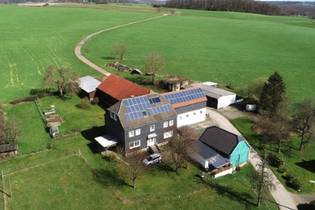
Agricultural business in Wermelskirchen successfully brokered!
Yesterday, the farm with a farmstead and a total of 25.2 hectares of agricultural and forestry land...
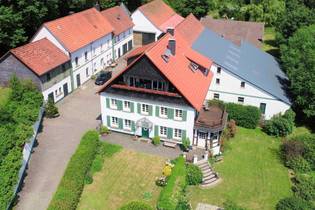
Forstgut Langenohl in Meinerzhagen successfully brokered!
The estate with a total of 157 hectares of rounded agricultural and forestry land and a historic...
Specialists for agriculture & forestry!
Greif & Meyer GmbH has been recognized by the German Real Estate Association IVD as a specialist for...

Forest estate in Raesfeld successfully brokered!
The new owners intend to cultivate the 184 hectares of land in a natural, careful manner under...
Farmland wanted
Investor seeks arable land up to 60 ha in NRW and nationwide. Long-term leaseback is guaranteed.
Charmingly situated leisure property with small lake in the Westerwald has found a new owner!
We wish the nature-loving buyer lots of pleasure with this beautiful property!

REINFORCEMENT IN THE TEAM!
Since the turn of the year, RT Alois has strengthened our team in the area of hunting and earthworks ;-) We wish him a...
Equestrian facility "Asbacher Höhe" successfully brokered!
The equestrian center in the Westerwald changed hands yesterday. We wish the new owners...
511 ha forestry operation in the southern Eifel successfully brokered!
Greif & Meyer is brokering a traditional hunting and forestry business with a spacious mill estate and 3...

SAFETY FORST - Greif & Meyer interviewed by procontra magazine on forest investments
Investments in forests are considered sustainable, stable in value and high-yielding....
Greif & Meyer in an Immowelt interview
Lease or buy a fish pond: Rights, obligations and costs A...