Agricultural privilege - what does that mean?
The so-called “agricultural privilege” is a key concept in German building planning law. It determines whether farmers are permitted to build outside of populated areas. The basis for this is Section 35 of the BauGB, which governs construction in rural areas.
An "outlying area" is defined as any area that is neither included in a zoning plan nor part of a built-up district—as a general rule, these are open fields.
Legal basis: Section 35 of the BauGB
Agricultural privileges are regulated in Section 35 of the German Building Code (BauGB). As a general rule, construction projects in rural areas are only permitted if they do not conflict with public interests and if development is guaranteed. However, exceptions apply to farmers, as their activities serve the purpose of "proper agricultural land use."

Which projects are given priority?
The following are particularly privileged:
- Residential buildings belonging to farmers, if they serve an agricultural business and are spatially connected to the business,
- Farm buildings and facilities used directly for agricultural purposes (e.g., barns, sheds, machinery sheds, silos),
- Animal husbandry facilities, insofar as they serve the species-appropriate and economical animal husbandry of an existing farm.
Which projects are not eligible for preferential treatment?
Projects that have no functional connection to agricultural land use are not eligible for preferential treatment. These include:
- Halls for recreational or athletic purposes
- Commercial Businesses
- Horse boarding facilities that, due to a lack of sufficient land, are not considered agricultural operations under the Building Code.
Requirements: When is a farmer considered privileged?
A farmer is granted special status for a construction project if several criteria are met:
An agricultural business, in the legal sense, consists of
The project must benefit this business. It is not enough for it to simply promote agriculture.
Operational Necessity
The construction project must be necessary for the specific operation.
Intention to Farm the Land on a Long-Term Basis
The business must be run sustainably and not just exist on paper.
No Adverse Impact on Public Interests
For example, the landscape, nature conservation, or the neighborhood must not be unduly affected.
Advantages of privilege
Agricultural privileges allow farmers to build in rural areas without the need for a development plan or urban land-use planning. This facilitates:
- the expansion or modernization of agricultural businesses,
- the construction of residential buildings for plant managers and their families,
- Adapting to modern production methods, such as new barn technology or additional storage capacity.
Limits of Privileges
Despite the preferential treatment, every project is subject to a case-by-case review by the building authority. Common points of contention include:
- the question of whether this is in fact an agricultural operation as defined by the BauGB,
- the distinction between agriculture and commercial animal husbandry,
- the protection of nature and the landscape, particularly in landscape conservation areas or water protection areas.
What This Special Treatment Means for Your Construction Project
Agricultural privileges are intended to enable farmers to expand their operations even outside of town limits. They are an important tool for ensuring the viability of agriculture and strengthening the supply of regional food products. Nevertheless, they are subject to clear legal conditions. It is therefore always advisable to consult with the relevant building and agricultural authorities at an early stage.
Frequently Asked Questions About Agricultural Preferential Treatment
Here, we answer the questions we're asked most often. If you'd like to know more, please call us or send us a message.
The decision is made by the building authority as part of the building permit process, typically after consulting with the agricultural authority or the Chamber of Agriculture. Because each project is reviewed on a case-by-case basis, it is advisable to speak with the authority before the plans and purchase agreement are finalized.
At that point, the preferential treatment ends, but the building does not lose all hope. Section 35(4) of the BauGB facilitates the conversion of former commercial buildings if, among other things, the following conditions are met: The building’s structural integrity must be worth preserving, its exterior appearance must be essentially maintained, the cessation of its previous use must not have occurred more than seven years ago, and, in the case of conversion to residential use, no more than five additional apartments per courtyard may be created beyond those previously permitted. You can find more on this topic under “Remaining Courtyards” and “Historic Estates.”
Unless the facility is in operation, the special status does not apply. Such a project is treated as an “other project” under Section 35(2) of the BauGB and may be approved only on a case-by-case basis if it does not adversely affect public interests and if infrastructure development is ensured. The bar is thus significantly higher than for a project with special status.
An equestrian facility may be classified as a “privileged project” in an outlying area under the conditions set forth in Section 35(1) of the German Building Code (BauGB). A key requirement for this classification is that the facility serves an agricultural operation and has a sufficient operational basis. This may be the case, for example, with an agricultural horse breeding operation or a boarding facility that has its own sufficient feed supply.
More articles & news
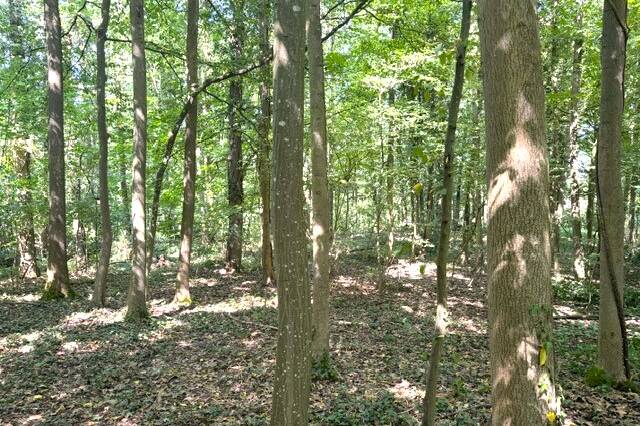
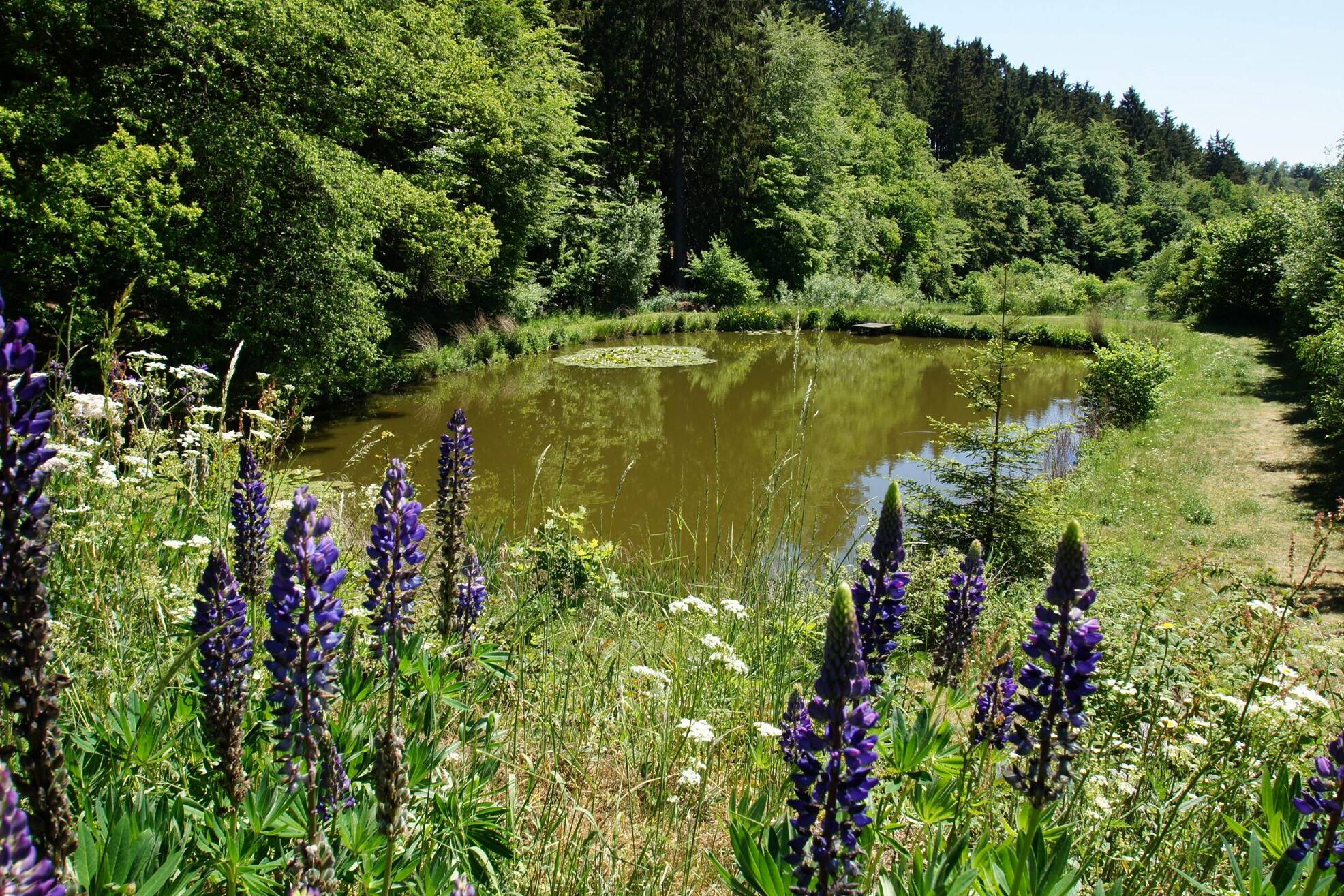
NEW: Idyllically situated pond complex in Ulmen
With a total of six ponds and a weekend home on a property covering approximately 3.3 hectares!
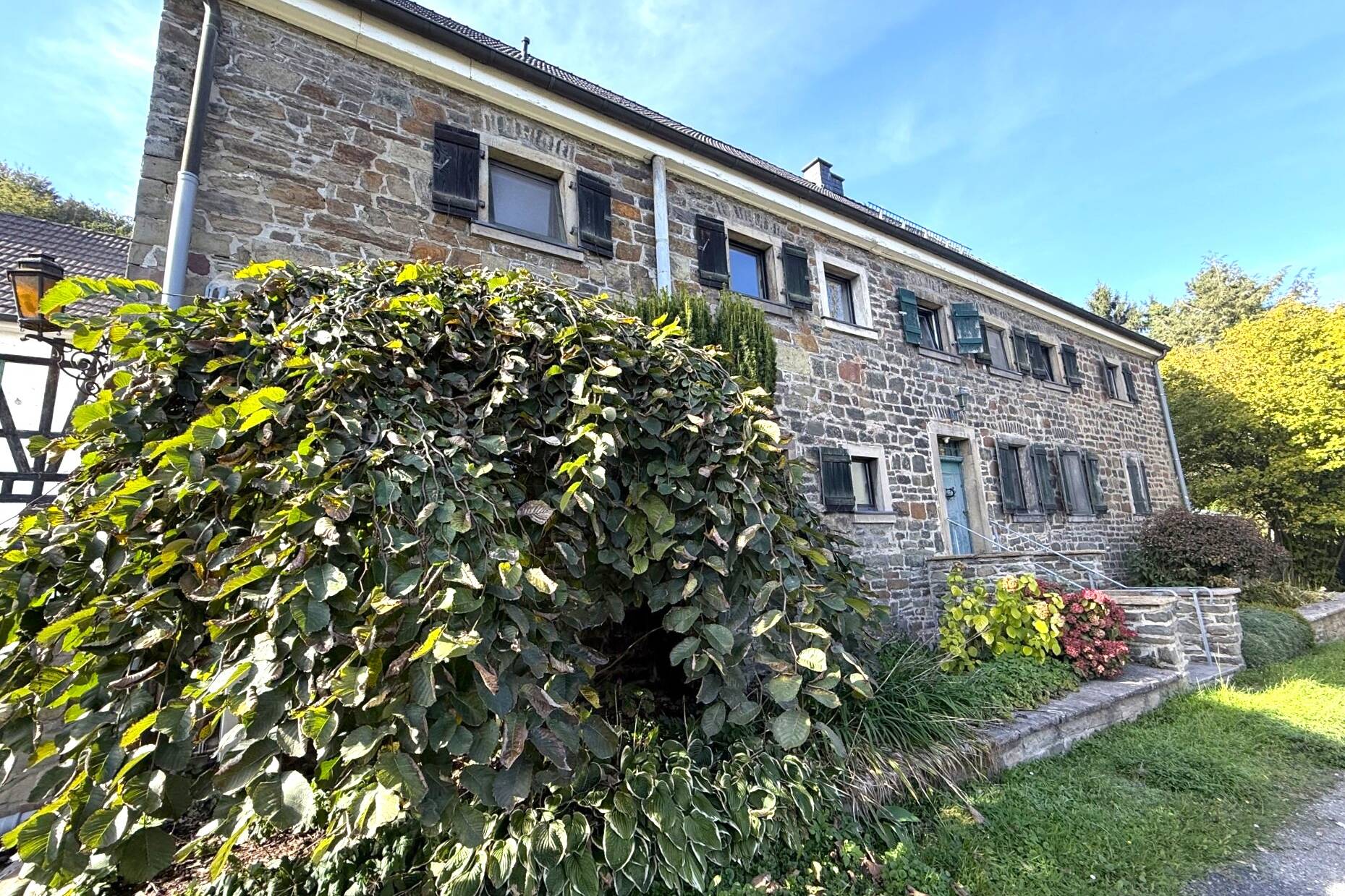
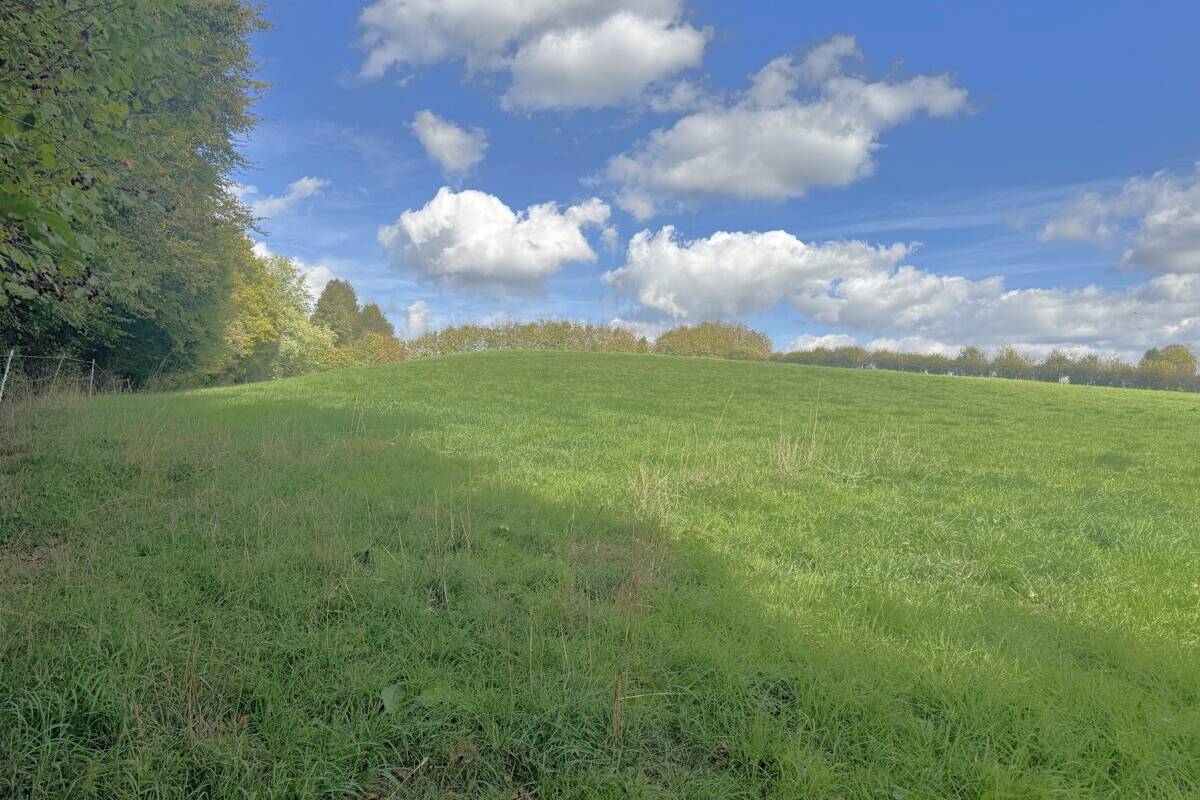
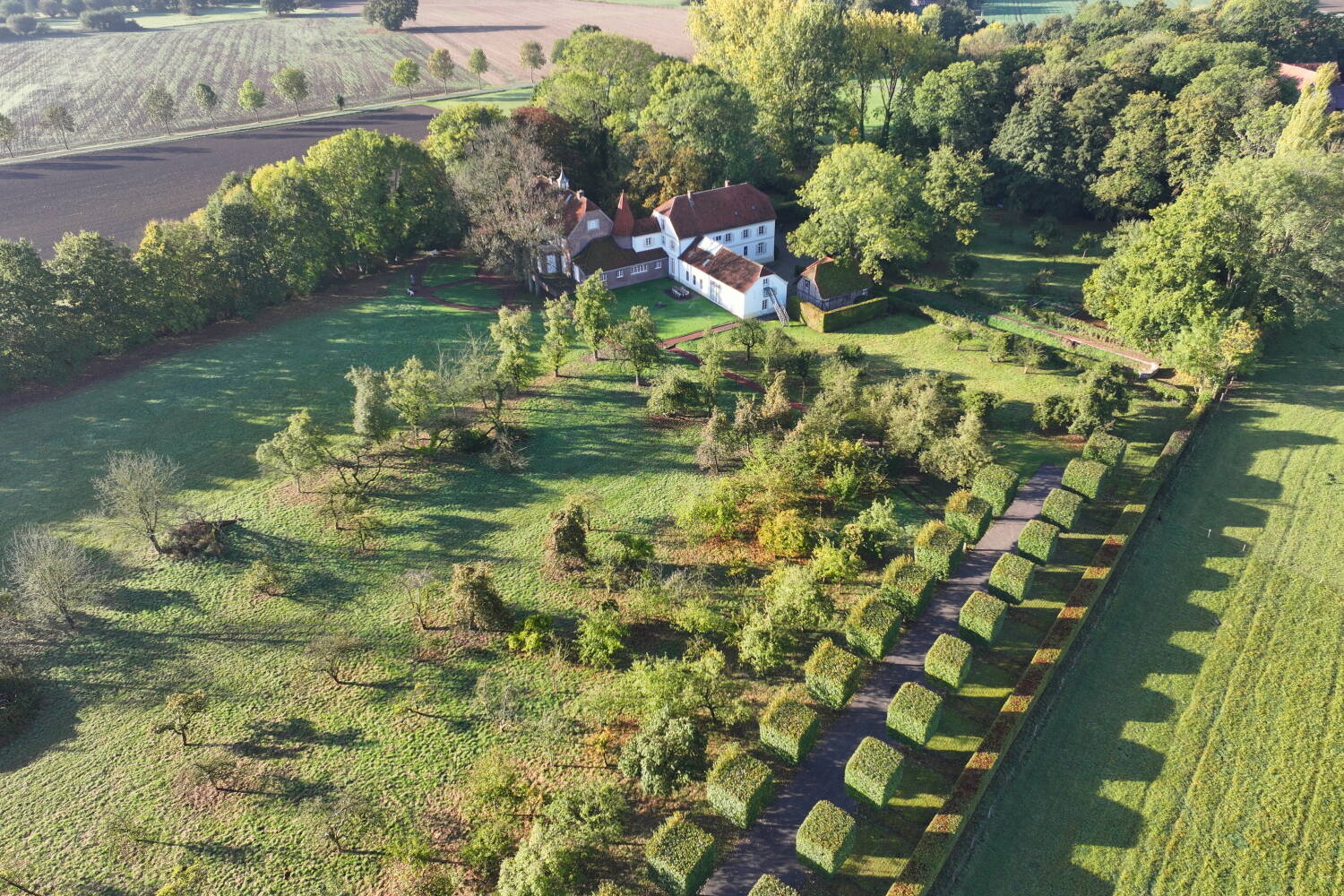
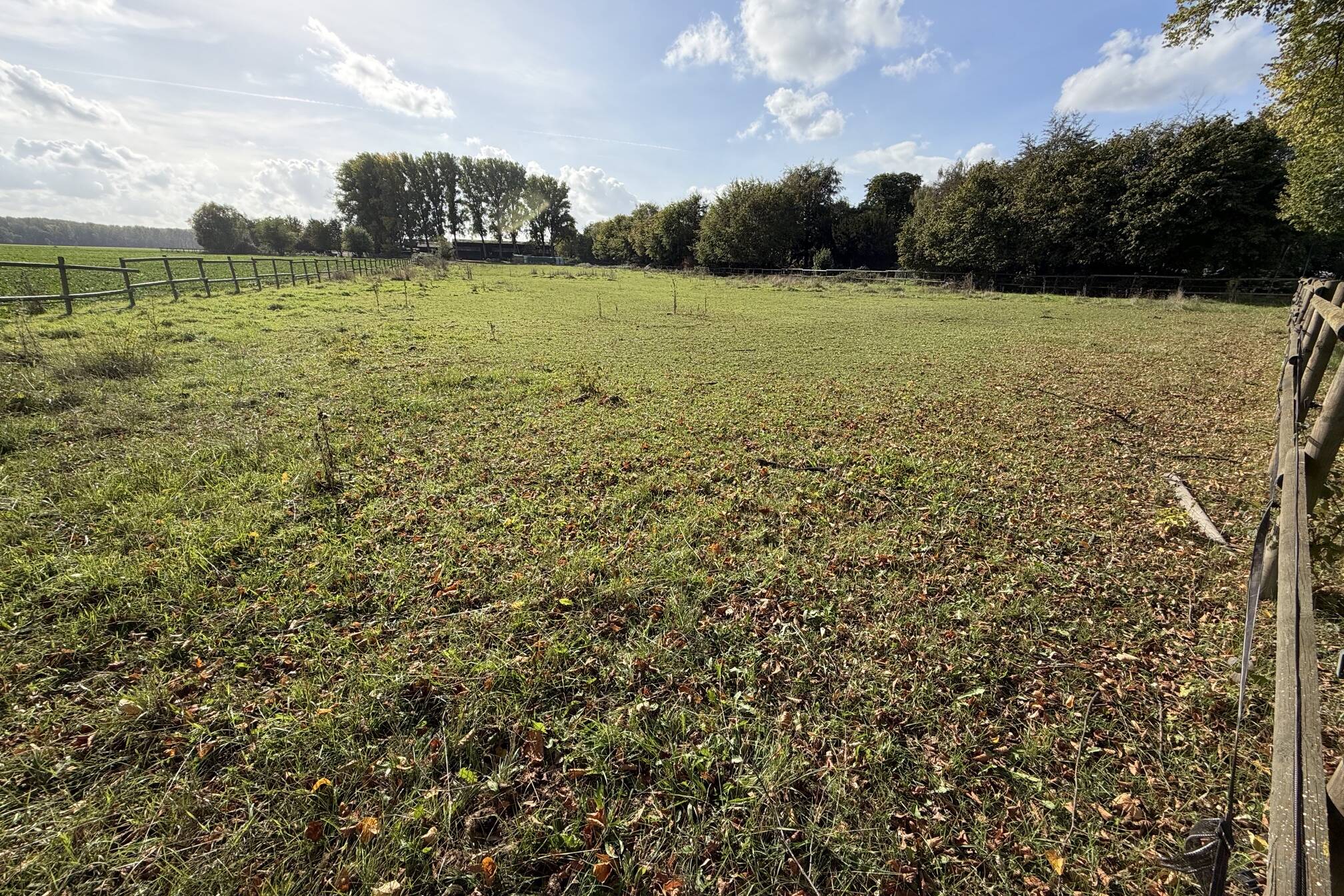
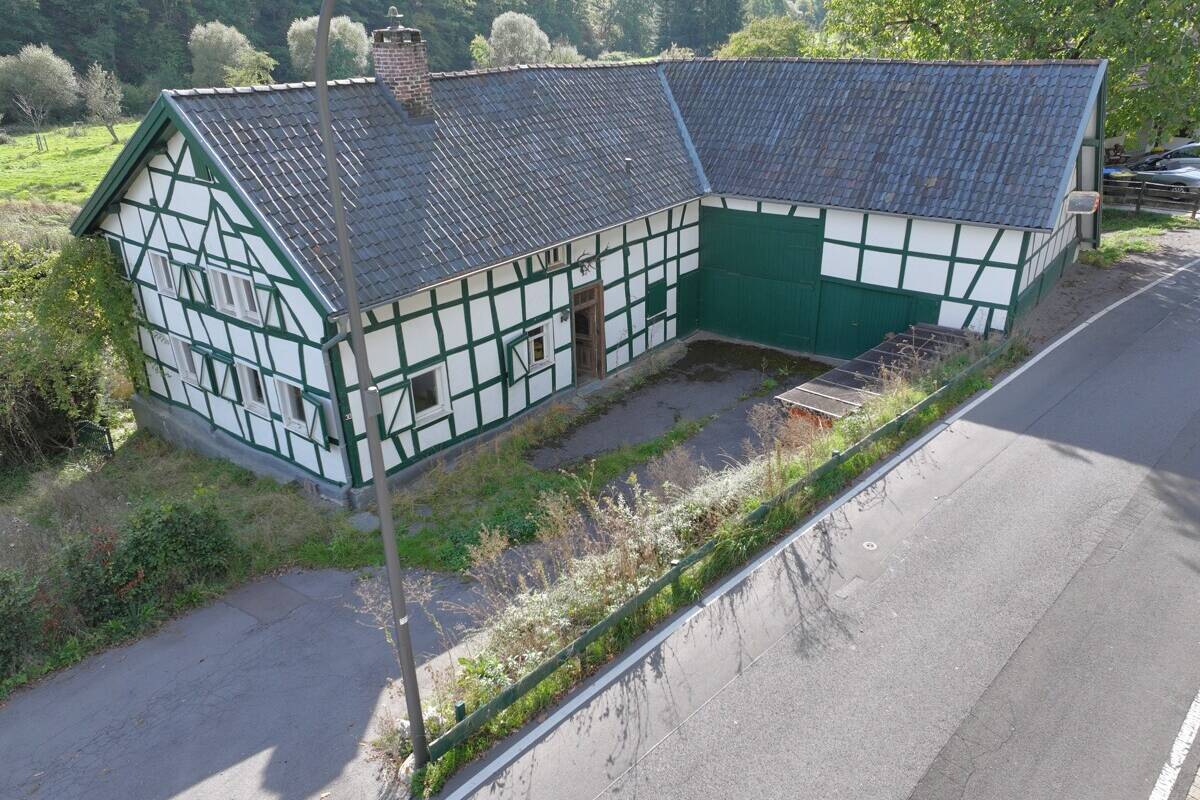
Small historic half-timbered house with adjacent grassland in Simmerath
With an adjoining barn and approximately 0.6 ha of consolidated grassland
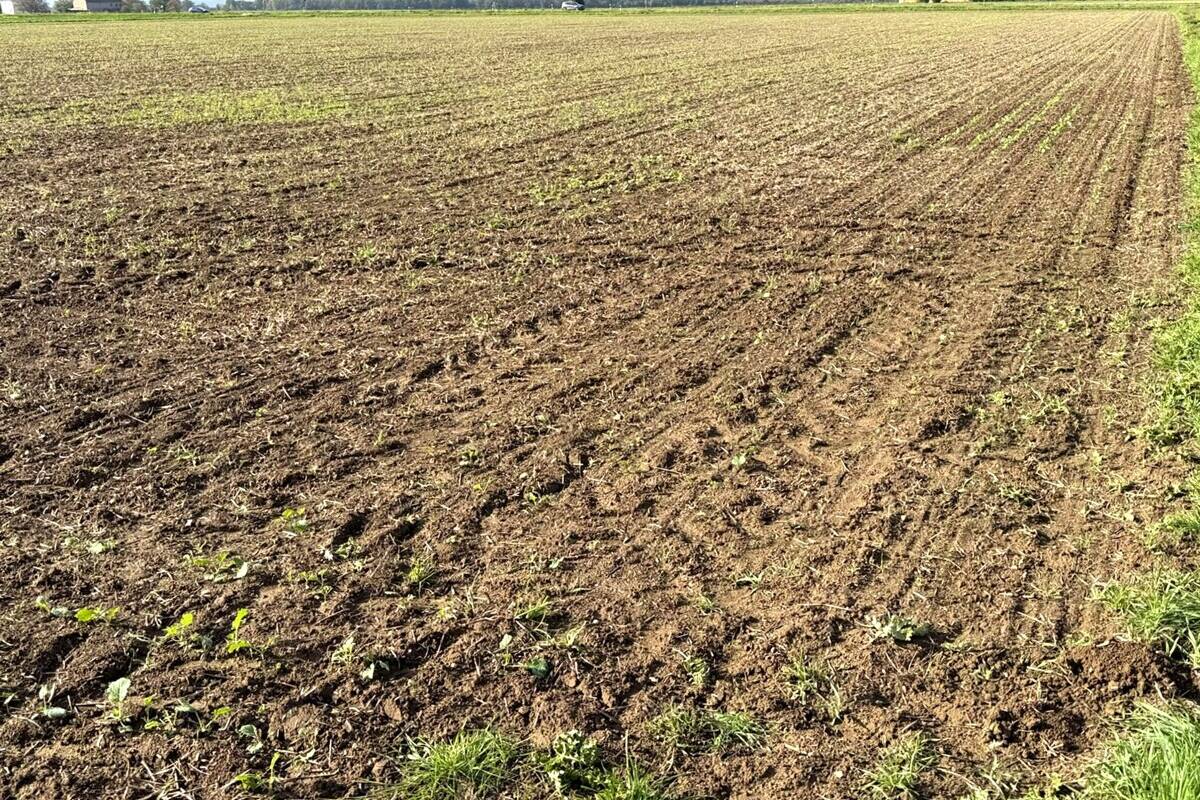
Farmland in Swisttal
The approximately 1.3 ha of high-quality farmland is located in Swisttal, Rhein-Sieg District,…
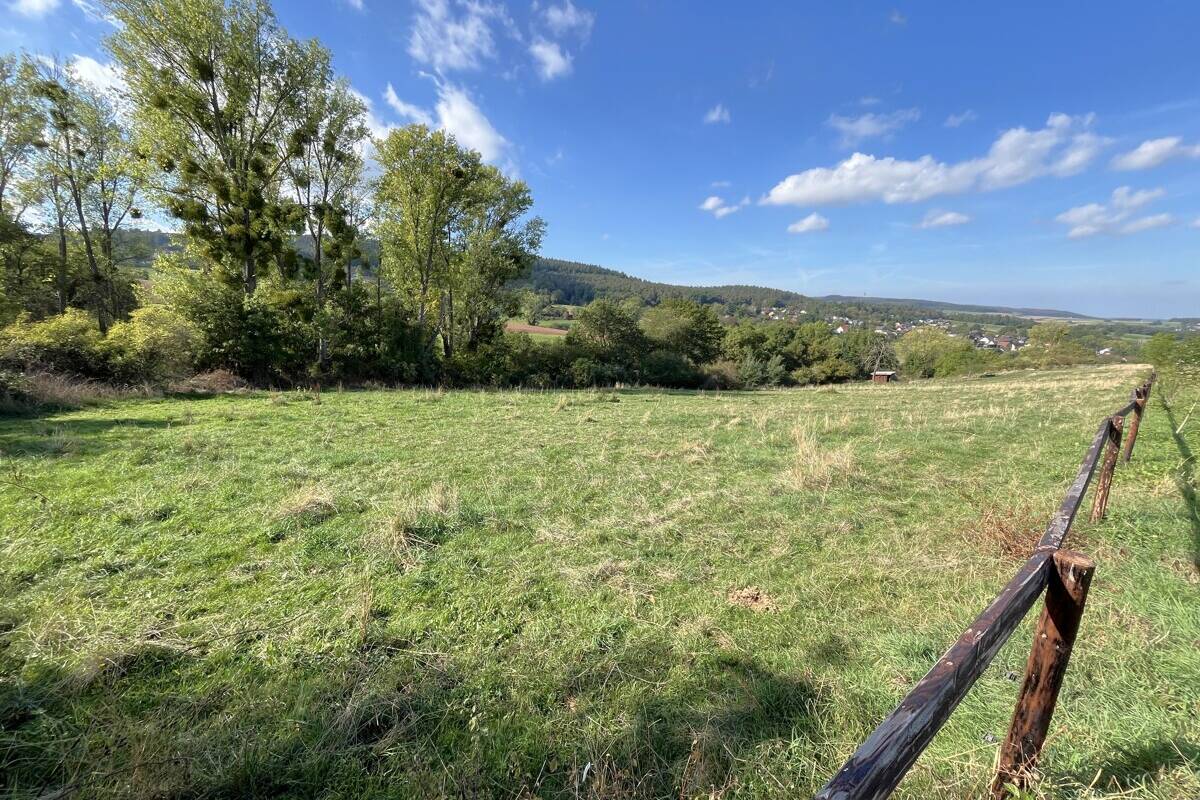
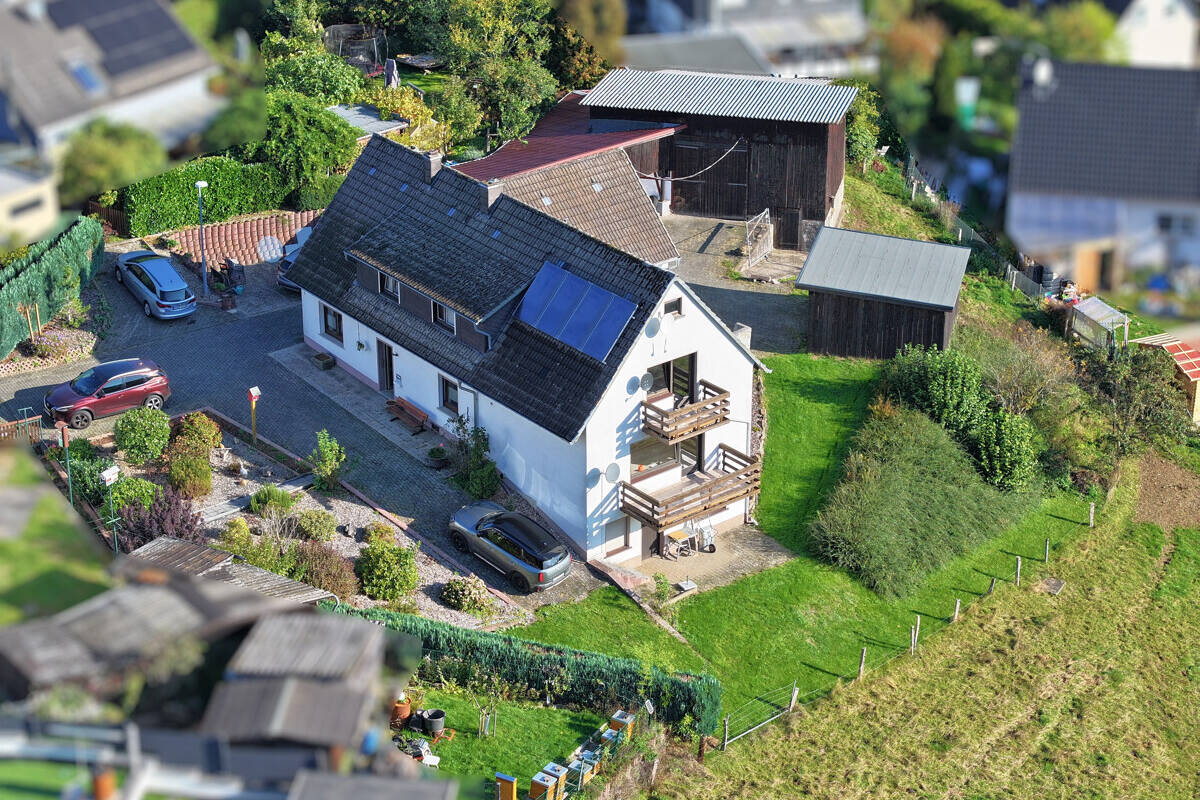
Compact farmstead with contoured pastureland in Lindlar
The farm complex includes a spacious residence, a garage, a stable and barn, a coach house…
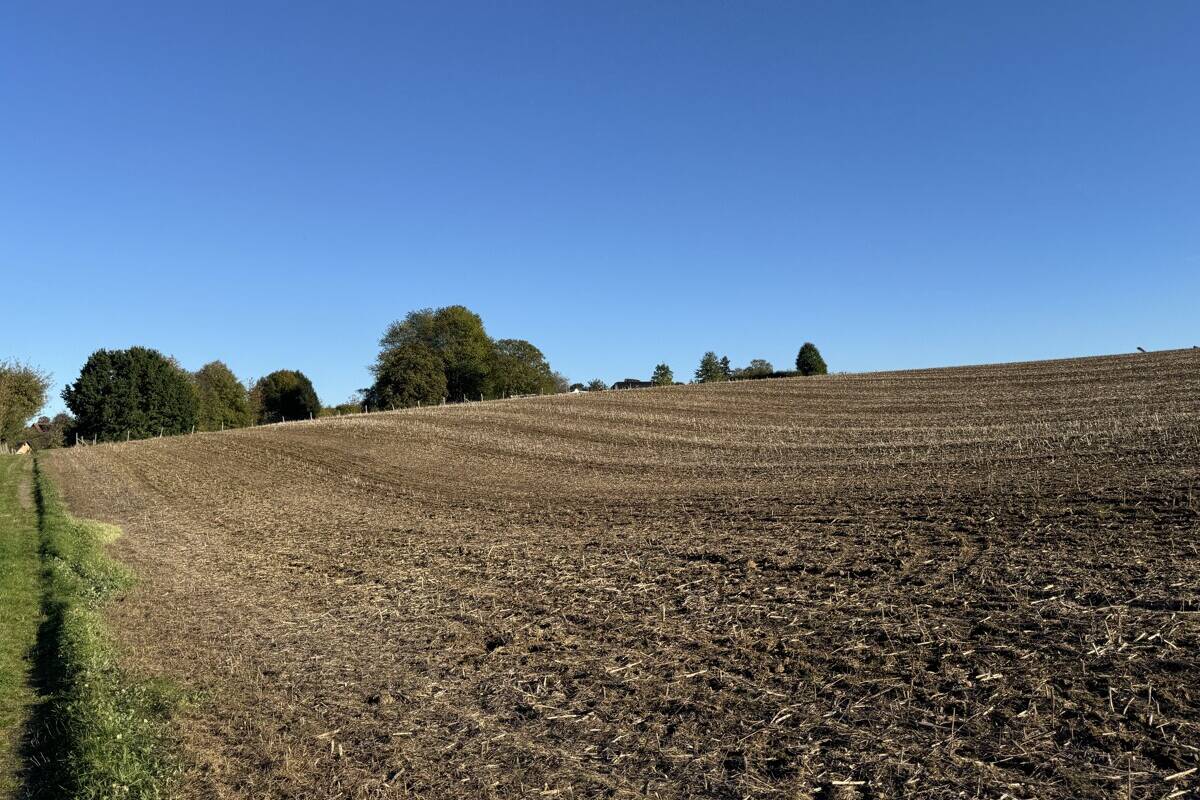
Agricultural and Forestry Lands in Hennef
The property consists of a total of approximately 6.2 hectares of permanent pasture, approximately 4.6 hectares of cropland, and 1.4 hectares of forest, divided among…
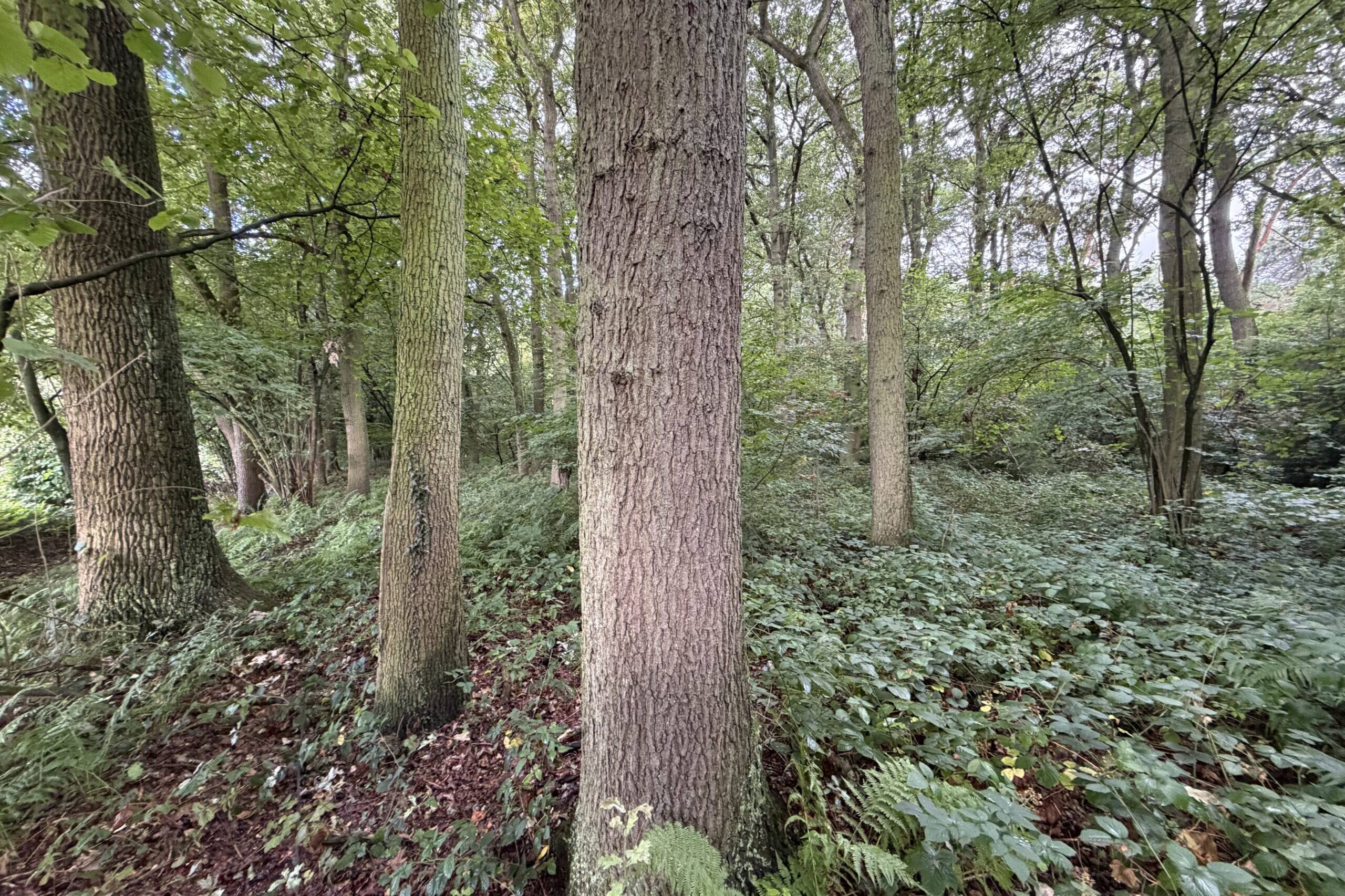
Approx. 4 ha of consolidated forest land in Hamm-Pelkum
These are primarily well-stocked stands of English oak of various age classes with…
10.4 hectares of cropland and pasture in Nettersheim
The plots are located in the eastern part of the municipality of Nettersheim in the district of North Rhine-Westphalia…
13.5 hectares of farmland in the Zülpicher Börde
The consolidated farmland is located between the towns of Zülpich and Euskirchen, in the district of Euskirchen,…
Have you already been in contact with Greif & Meyer, then...
Rate us! For every review, we’ll fund the planting of a tree in your name in a…
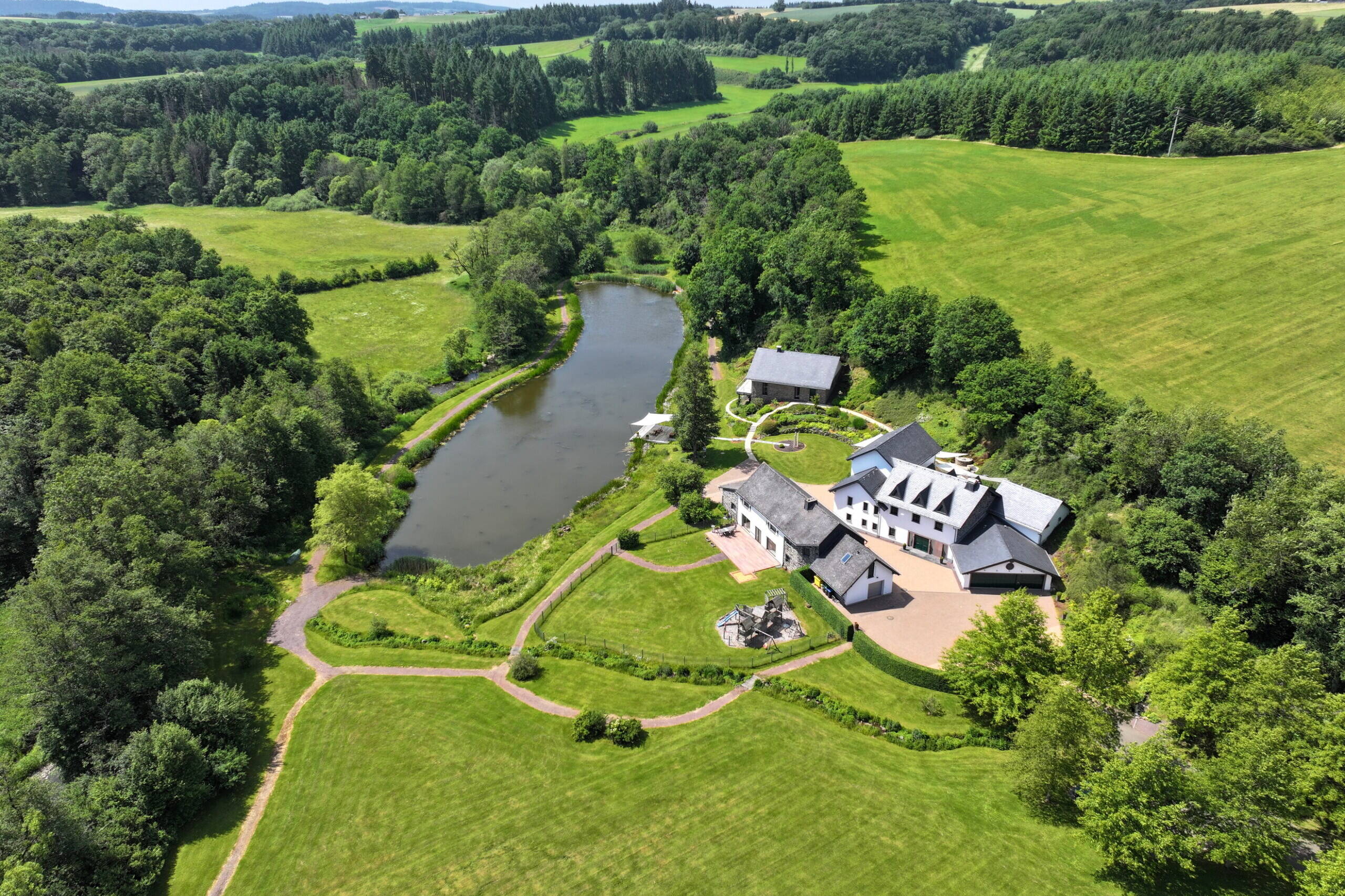
Magnificent mill estate with an outstanding private hunting ground successfully sold!
We hope the new owners enjoy this one-of-a-kind property!
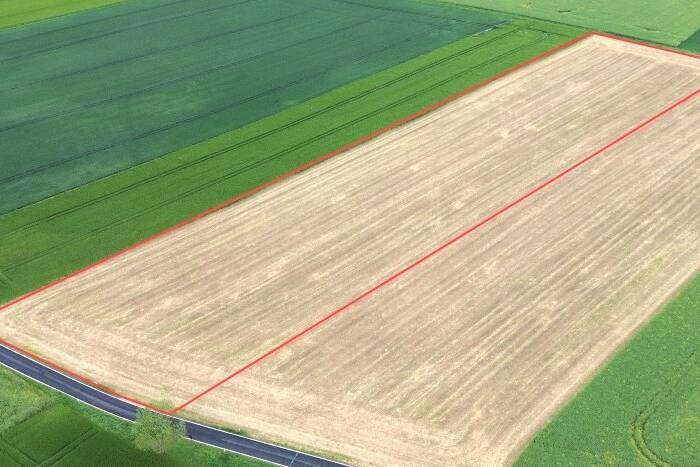
3.7 hectares of farmland in Kerken
into three roughly equal sections. Feel free to sign up here.
Invest in a sustainable forest fund through Greif & Meyer!
Starting now, we’re offering the opportunity to invest in sustainably managed forests without…
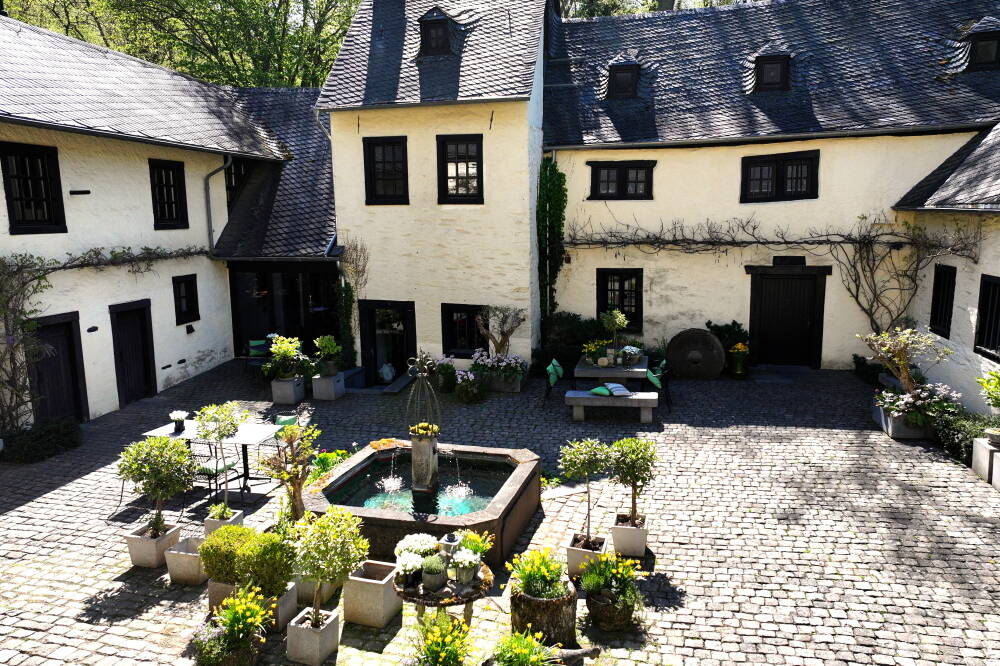
A charming, beautifully renovated mill estate in the Vulkaneifel!
This exceptional property offers plenty of space for those who value individuality in a stunning…
Back to our roots: We've moved!
As of May 5, 2026, you can find us at our new office location: Robert-Heuser-Straße 15, 50968 Cologne,…
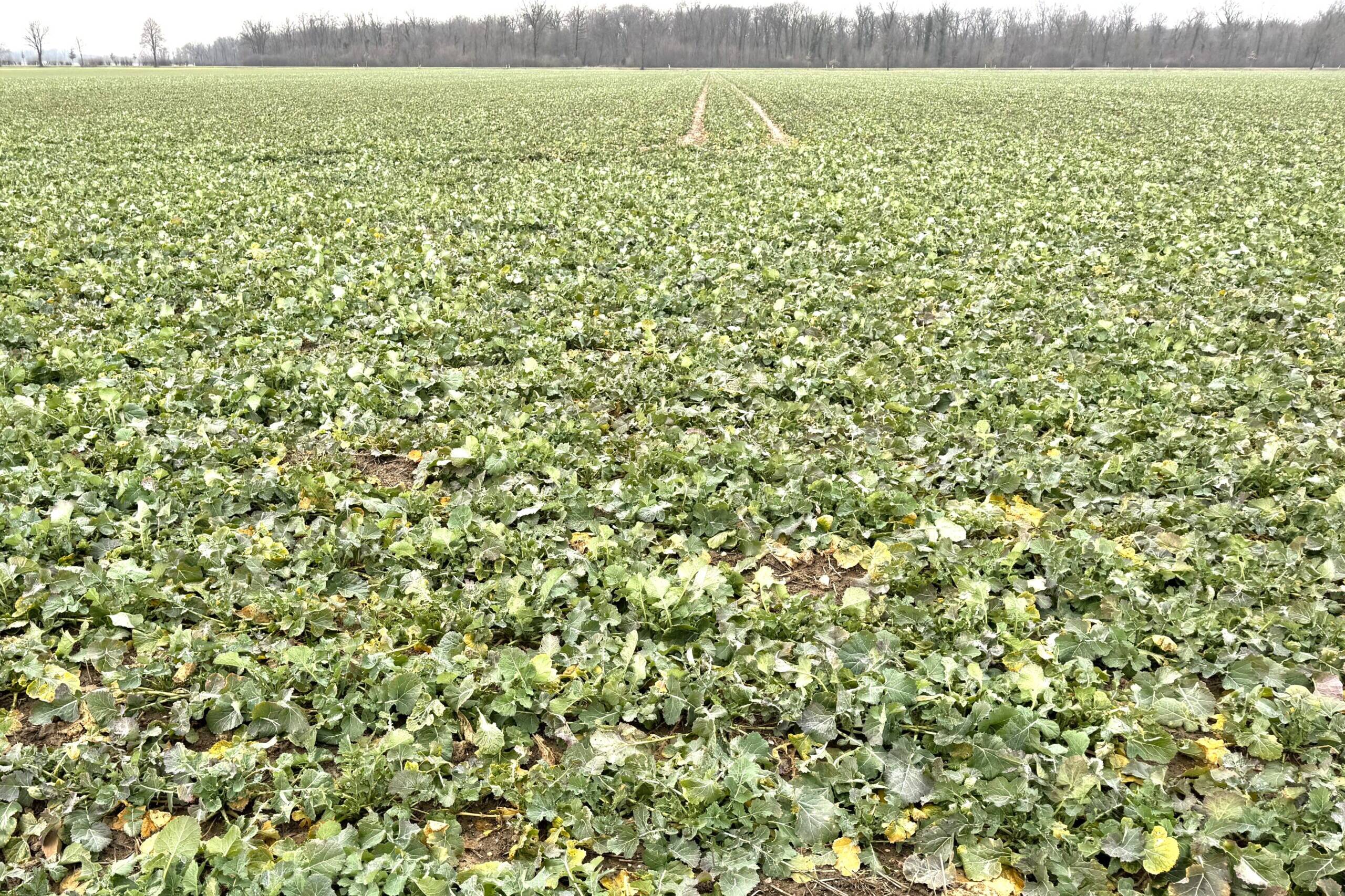
Extensive land parcel (26.5 hectares of farmland) in the Zülpicher Börde
A total of approximately 26.5 hectares of farmland in the Zülpicher Börde is being sold. The parcels are located within…
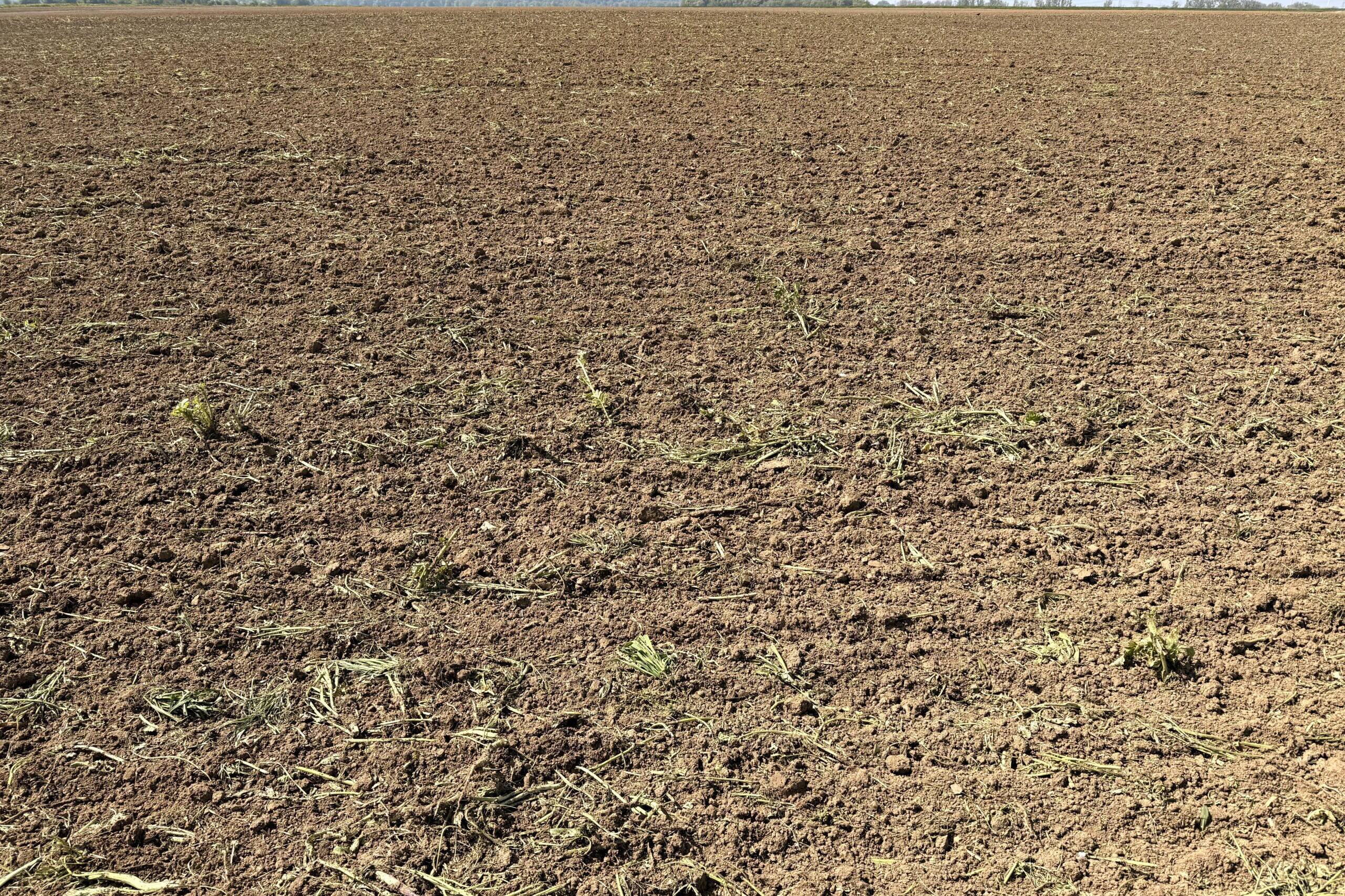
4.2 hectares of farmland between Bergheim and Pulheim
These are two adjacent, well-rounded, and well-shaped fields (approx. 1.7 ha and approx. 2.5 ha)…
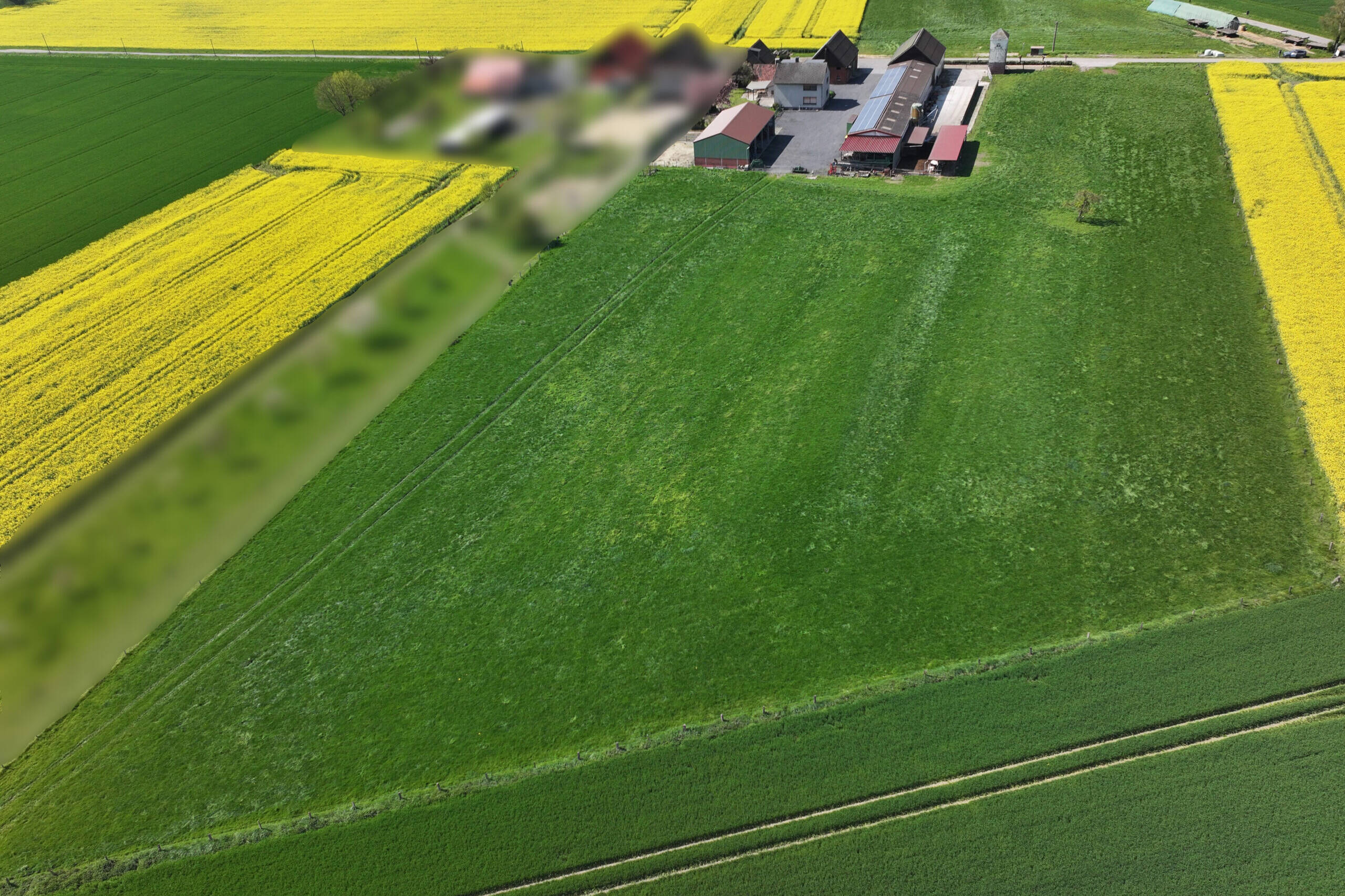
Farmstead in Unna
This well-maintained farmstead in a quiet location consists of a residential building and various barns and other structures…
Farmland in East Westphalia-Lippe
The farmland is located between Lippstadt (Soest district) and Rietberg in the East Westphalian district…
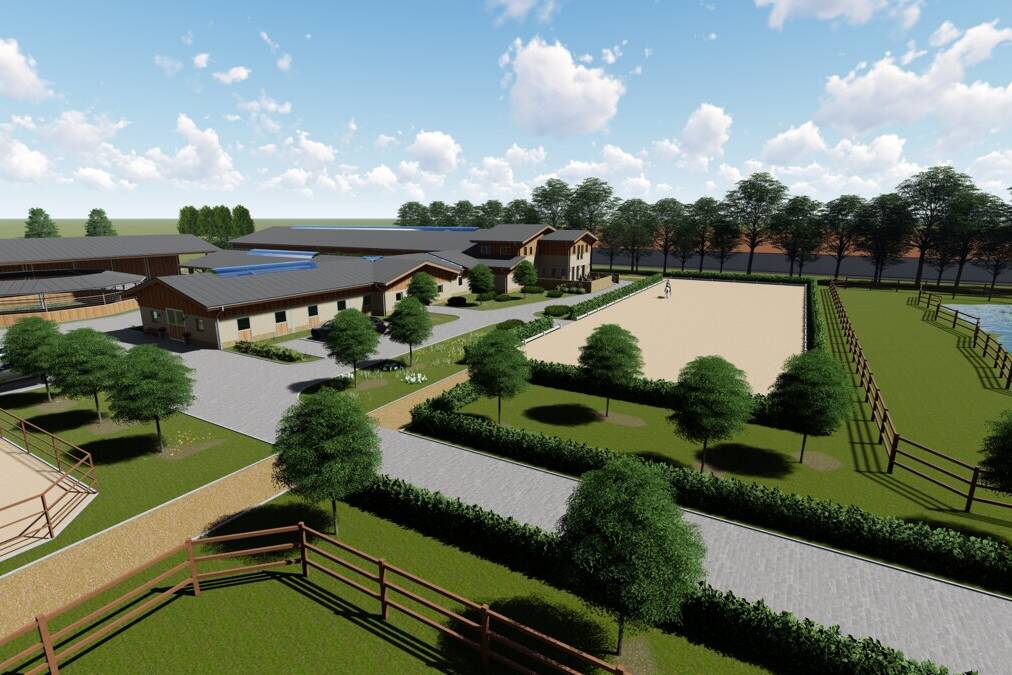
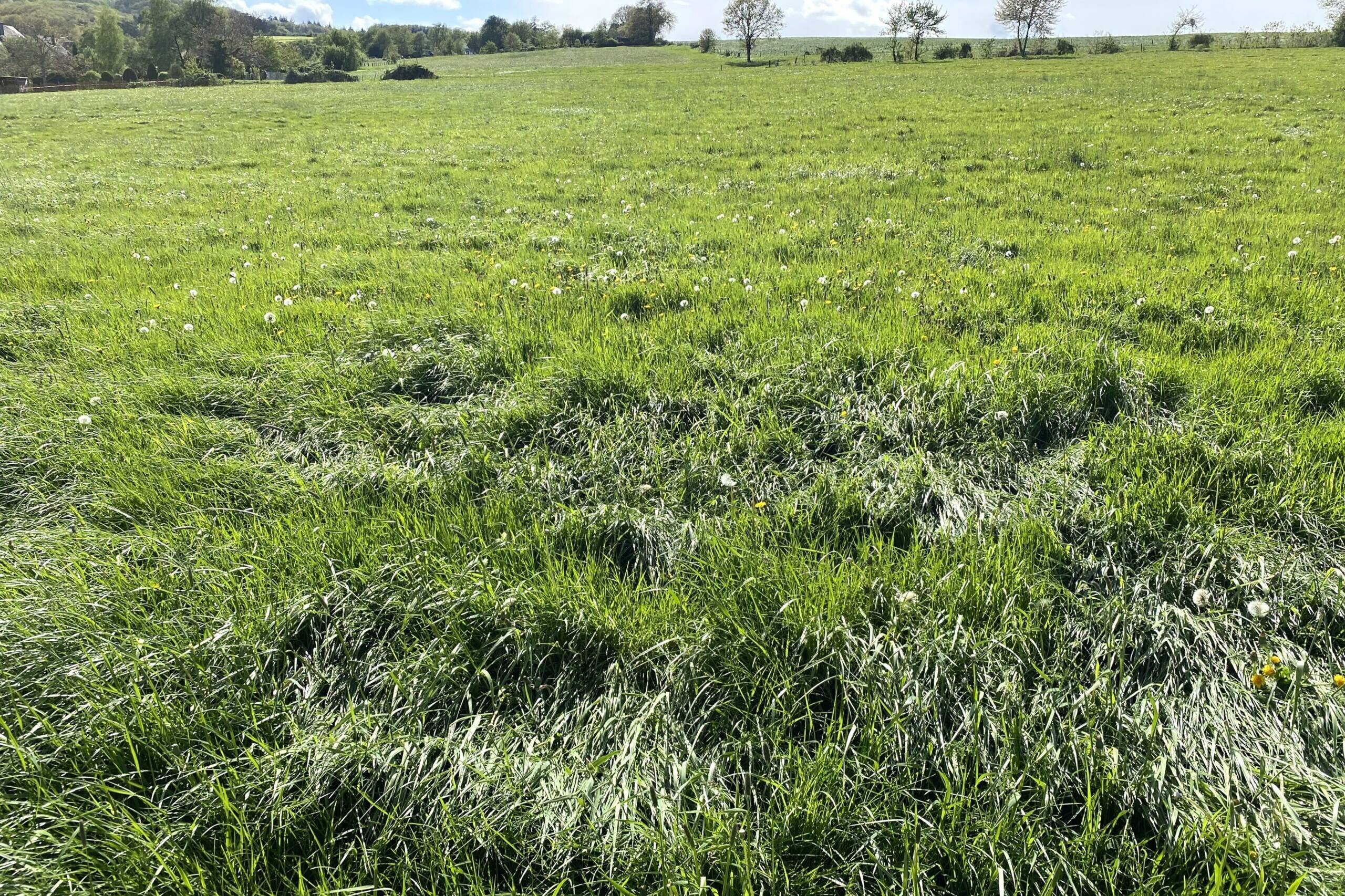
Pastureland and farmland in Bornheim (Rhld.)
A total of approximately 1.2 hectares of agricultural land is being sold. Of this, approximately 1 hectare is pastureland…
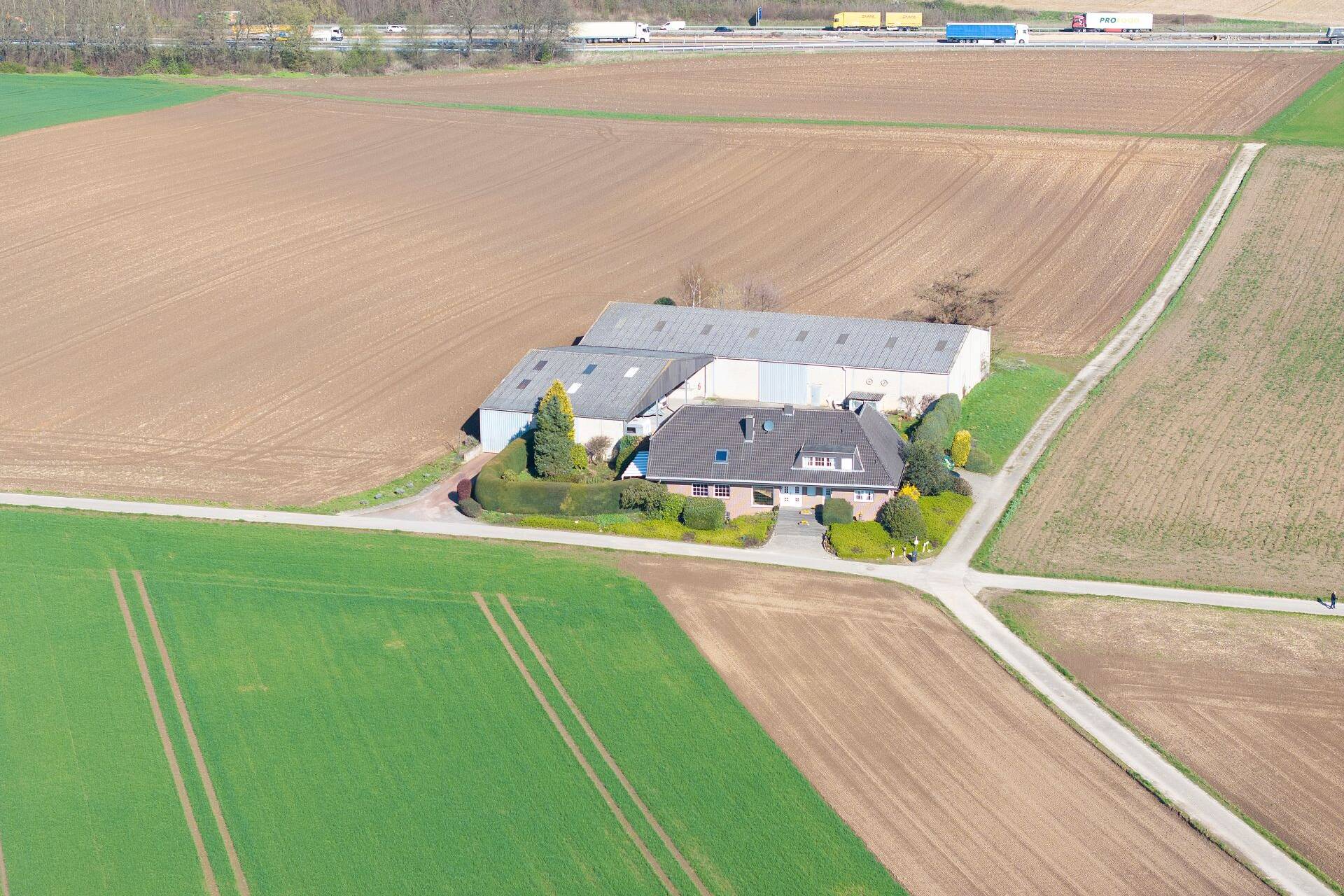
Farmstead with a residential house and outbuildings in a secluded location near Grevenbroich
Includes a granny flat, warehouse, shed, and adjacent farmland in the Rhein-Kreis-Neuss district.
3.7 hectares of farmland in the Main-Spessart district, Bavaria
These are four fields with a total area of approximately 3.7 hectares. They are flat to gently sloping…
1.9 hectares of farmland in the district of Soest
The farmland (approx. 1.9 hectares) of good quality is located in Werl, Soest district, North Rhine-Westphalia.
WANTED: Riding facility or remaining farm
Ideally with adjoining agricultural land. Historic/listed buildings are also welcome.
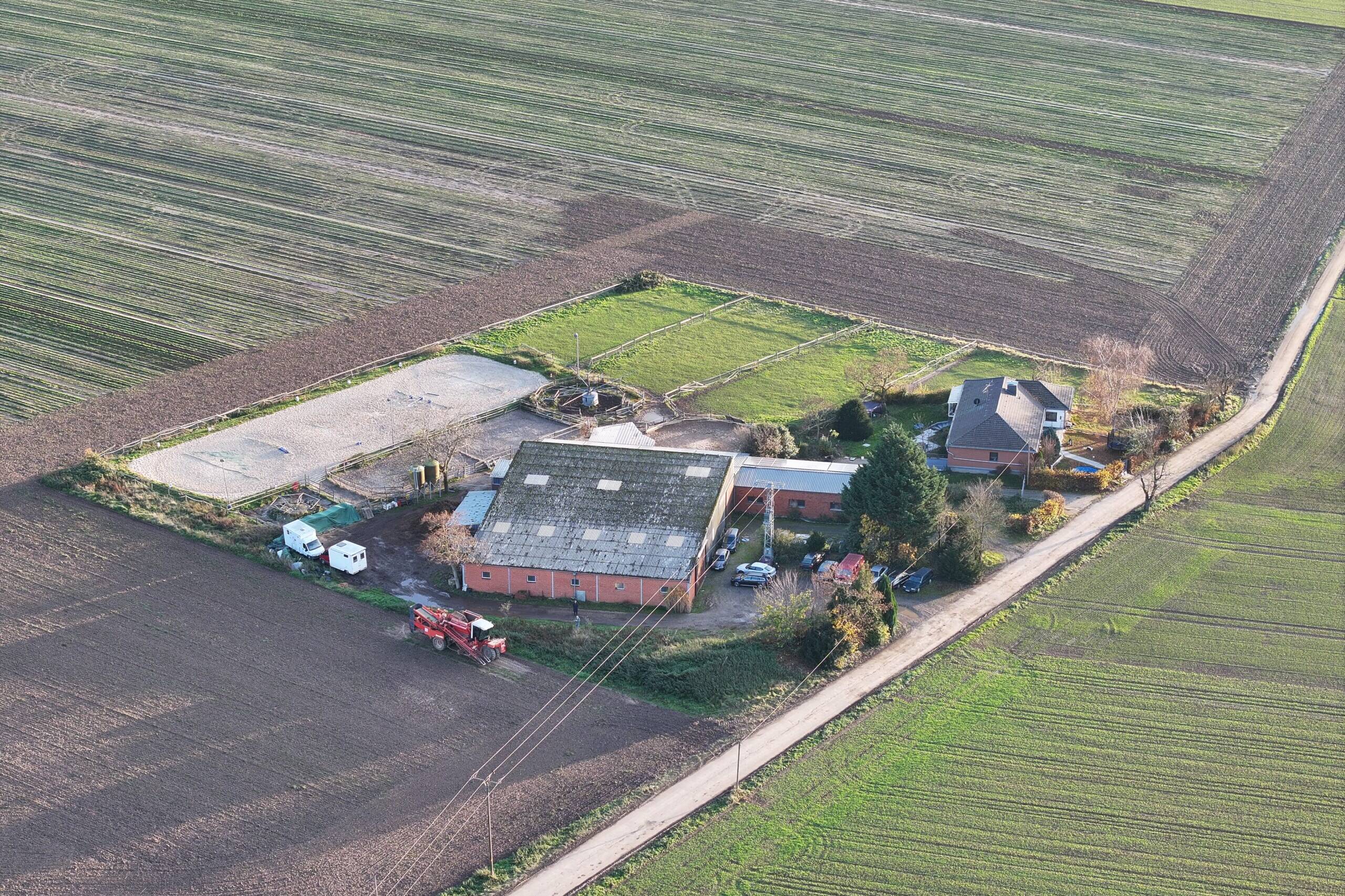
Resettled farmstead in a secluded location near Erftstadt
Built in 1973, the farmstead consists of a residential building with separate living quarters for elderly parents and an underground garage, a...
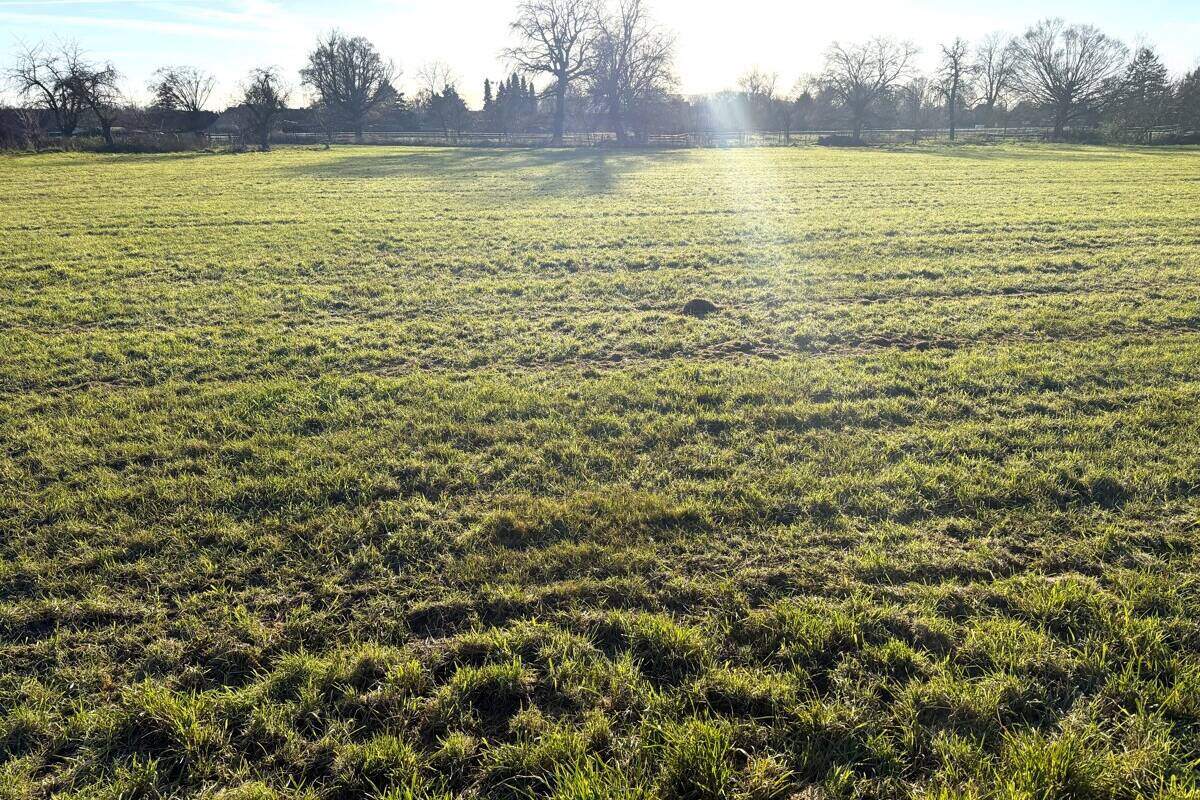
Grassland/pasture land in Linnich
A small grassland/pasture area of approximately 0.7 hectares on the outskirts of a neighborhood in Linnich, Düren district,…
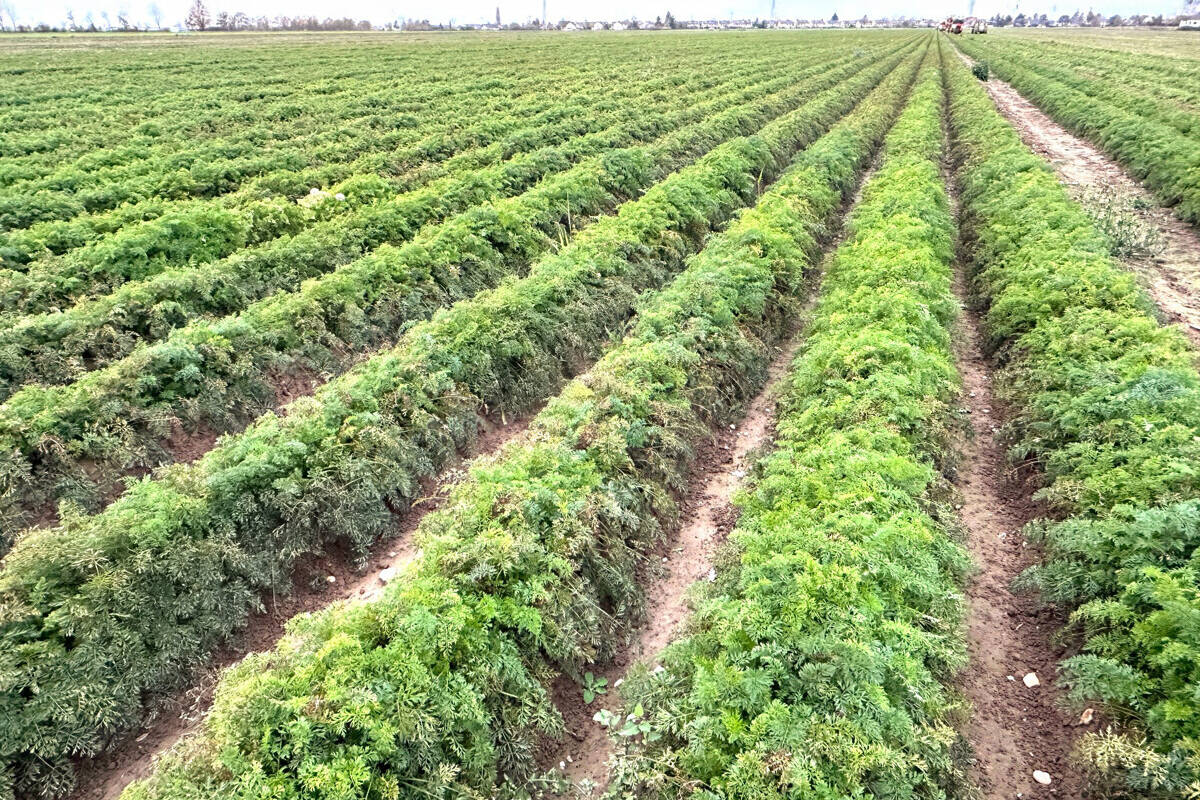
Large areas of farmland with forest cover in the Rhine-Erft district
This special offer comprises two well-developed, consolidated plots (21.6 ha...
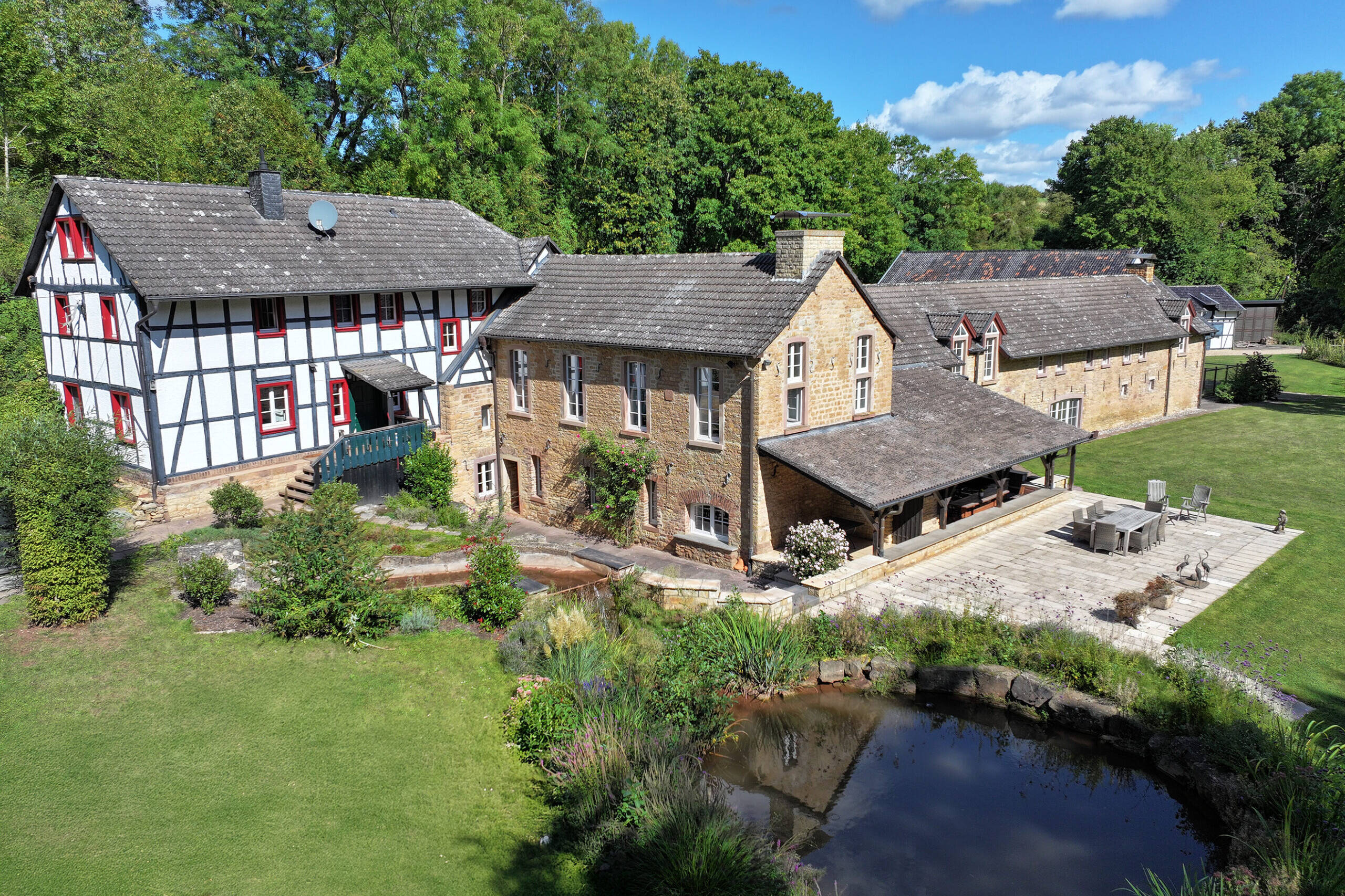
Historic mill property in the Rhineland successfully brokered!
The future owners are delighted to have a spacious retreat surrounded by beautiful……
The Real Estate Transfer Act (GrdstVG) explained simply
The purchase or sale of farmland, grassland, or forest land differs significantly from traditional...
Residual farm with a total of approx. 65 ha of rounded agricultural land in the district of Cuxhaven
The land is mainly arable land. Part of the land is currently undergoing...
Small grassland area in Barntrup
It is a small area of grassland with a small wooded area on the outskirts of Barntrup....
Modern plant cultivation company in Neuss/NRW
This is the site of a plant cultivation company with adjacent arable land. For the...
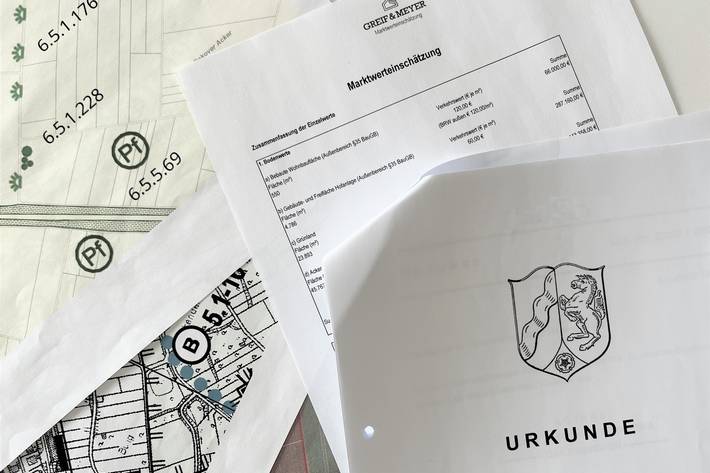
How do you determine the value of an agricultural, forestry or equestrian property?
The value of a property is determined by a combination of various factors such as...
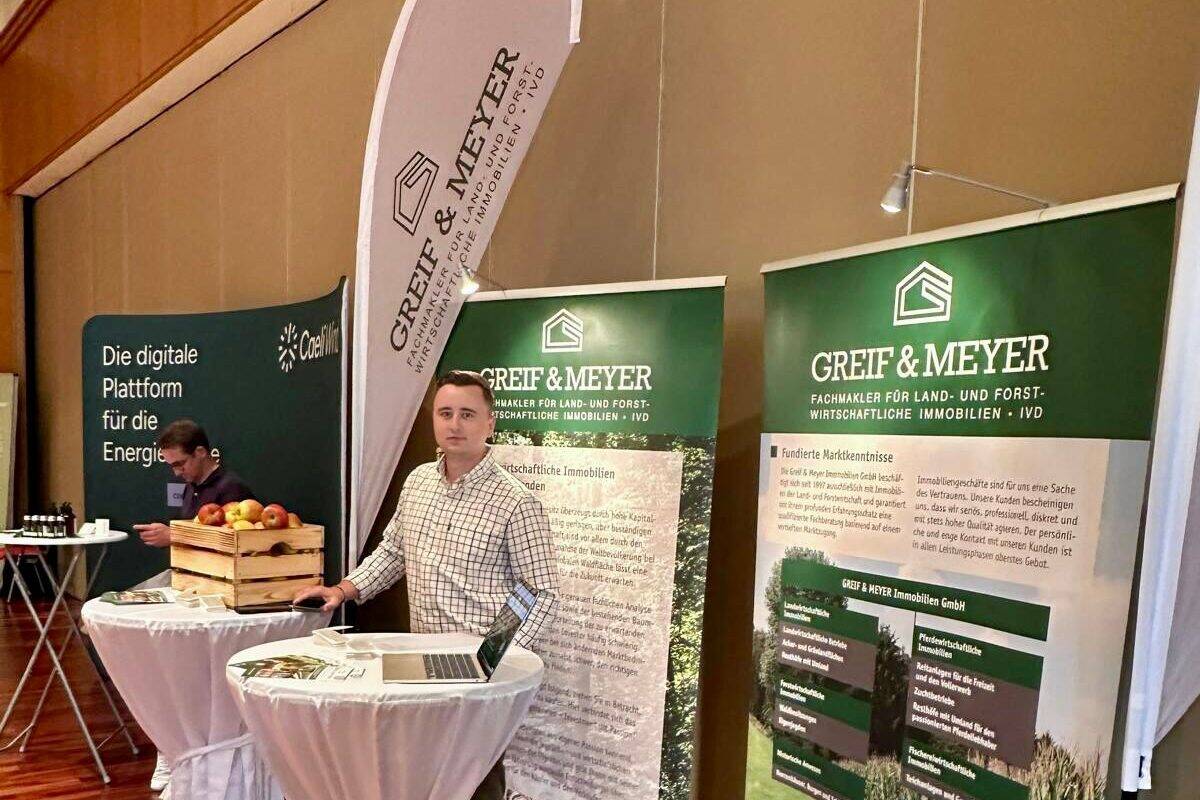
Greif & Meyer at the Forest Farmers' Day 2025
In addition to many exciting technical presentations, numerous good discussions with representatives from the...

Magnificent castle estate on the Moselle
The beautiful property offers extensive potential for a variety of use and development concepts.

Greif & Meyer in the LZ: Competent, reputable and discreet
"We are something like a dating agency for farmers - we bring...

Real estate tracking for owners
As an owner, you have the opportunity to manage all activities relating to your property via our...
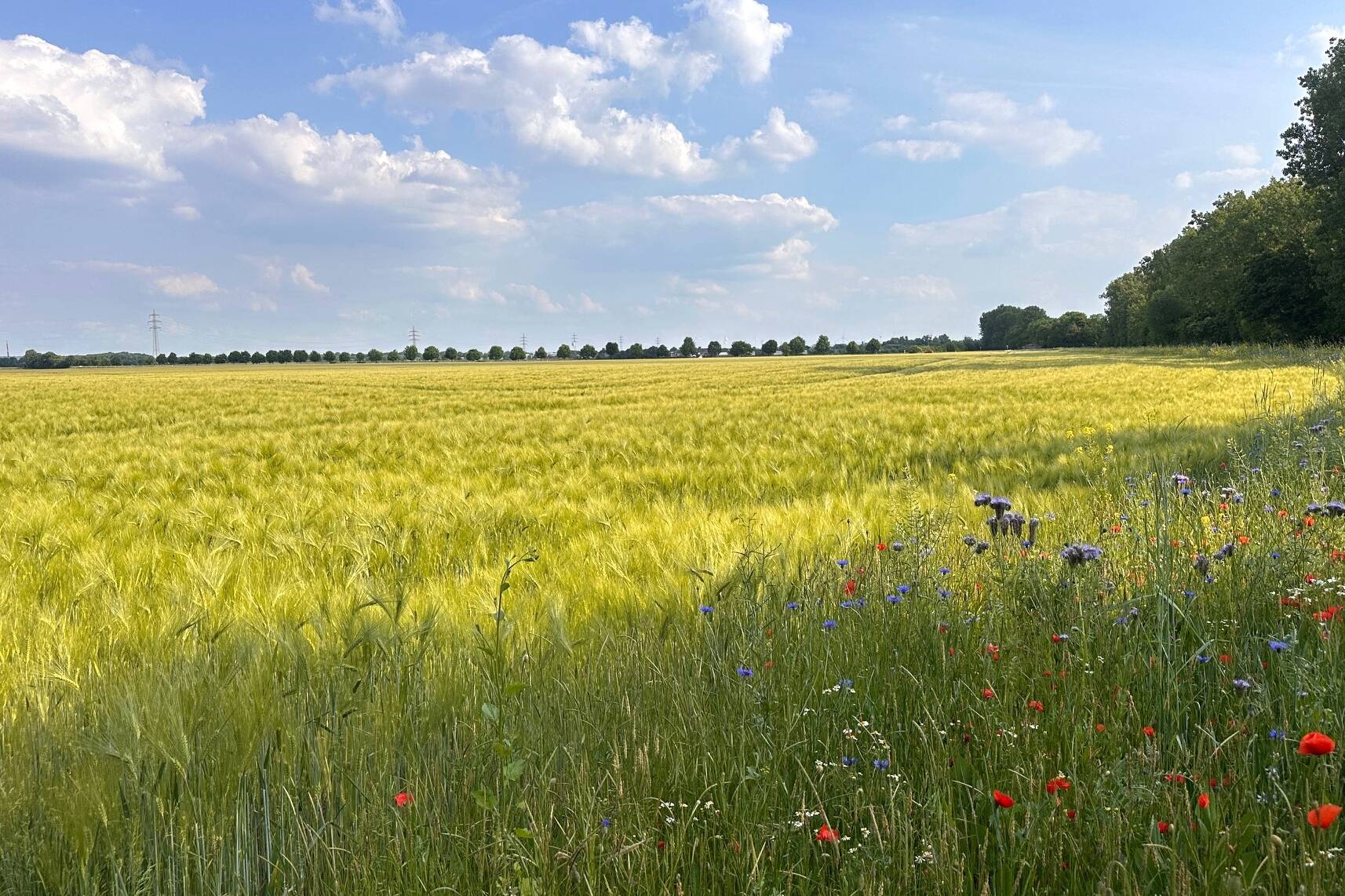
Rounded-off arable land (19 ha) in the Rhein-Erft district successfully sold!
The land will continue to be used for agricultural production in the long term. We wish the new...
Worth knowing - Incidental purchase costs
In addition to the purchase price, there are other costs associated with a real estate purchase such as...
The Ravengiersburg monastery has a new owner!
In the foreseeable future, the building is to be converted into a modern senior center with autonomous residential groups. We...
Bonn in 10 minutes! Resettlement farm in a secluded location in the Rhein-Sieg district
With a high-quality renovated residential house, retirement section, stables, riding arena and approx. 3 ha of grassland directly on the farm....
Agricultural business in the Zülpicher Börde
Arable farm with approx. 36 ha of freehold land in the Zülpicher Börde. The takeover of existing...
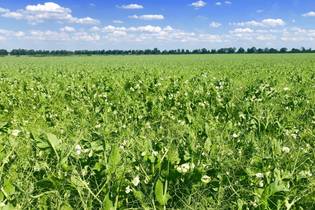
19 ha arable land in Erftstadt, Rhine-Erft district
This special offer is a completely rounded off, level and easily accessible plot of land.
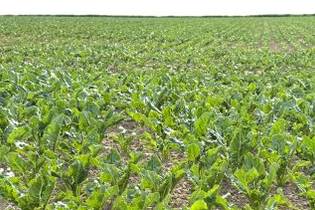
Arable land in Titz
1.6 ha arable land of very good quality in Titz, northern district of Düren, North Rhine-Westphalia.
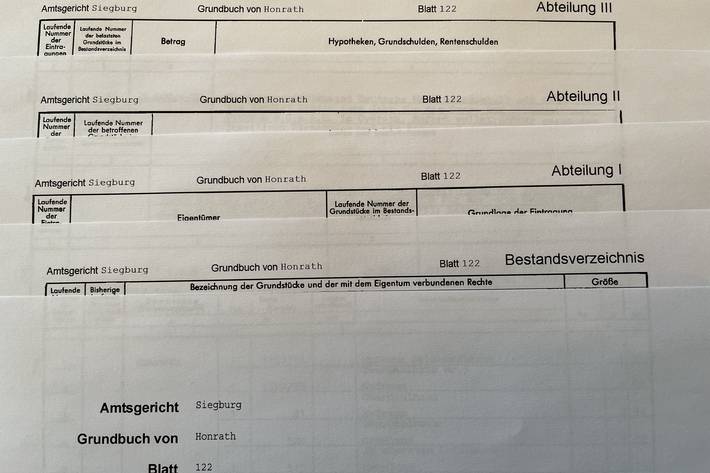
Worth knowing - The land register
The land register is a public register kept at the local court.
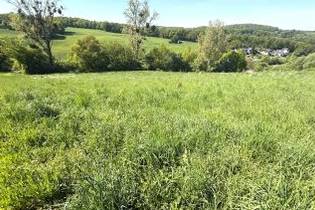
Grassland in Kreuzau
1.5 ha grassland area in Kreuzau, Düren district, North Rhine-Westphalia.
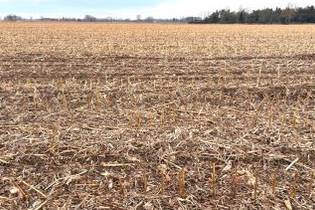
Rounded-off arable land and grassland in the district of Soest
A total of approx. 8 ha, of which approx. 6.1 ha is arable land and approx. 1.9 ha is grassland.
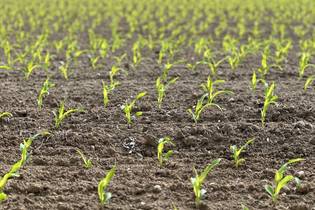
25 ha of top-quality farmland successfully brokered!
The areas located in the Rhine-Erft district and in the area of the city of Cologne have an average...
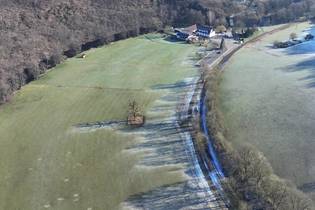
Beautifully situated property in the Düren district
With a variety of possible uses, several residential units and 25.2 hectares of rounded agricultural land, the...
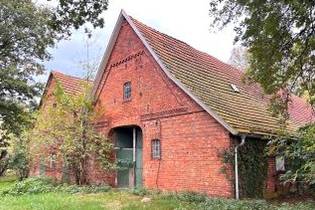
Farmstead with approx. 10 ha of arable land and grassland in Tecklenburger Land
Formerly used as an agricultural property, partly in need of renovation, in a quiet, outlying and...
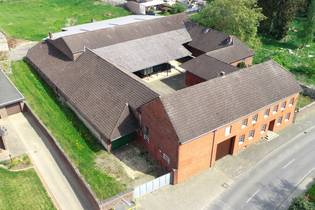
Square farm in Erkelenz (district)
Versatile property on a total area of approx. 5,400 m². An undeveloped part of the plot of...
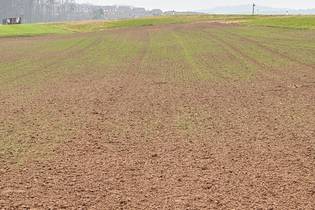
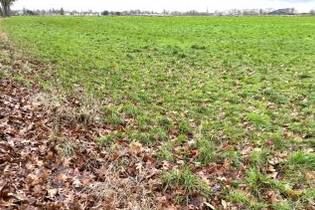
Arable land and grassland in Goch
A total of approx. 1.3 ha of rounded arable land and grassland in Goch.
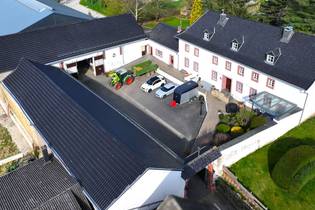
Magnificent historic square farm with spacious stables, indoor riding arena, riding arena and grassland in the district of Düren
In addition to the lovingly renovated property, there is a small detached house directly adjacent and a...
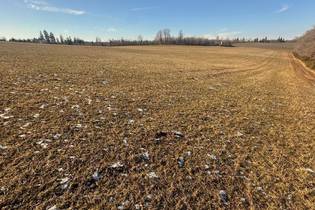
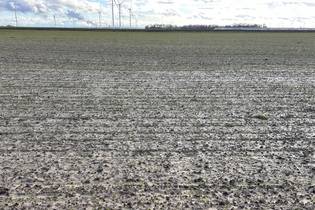
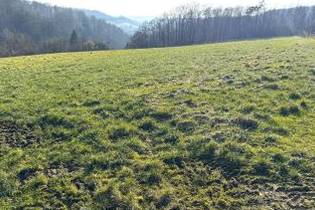
Grassland in Morsbach
A total of approx. 4.9 ha of grassland, divided into three areas. The individual areas amount to approx. 2.7 ha and...
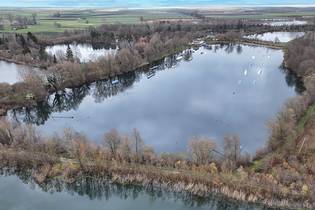
Lakeside property with water sports leisure facility in Bavaria
As a future-proof livelihood or interesting investment!
Forest estate/own hunt wanted
As the exclusive partner for a foundation from the steel industry, we are looking for a country or forestry estate nationwide,...
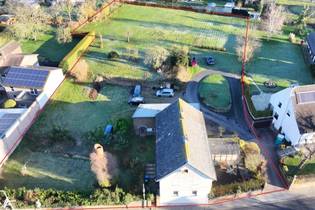
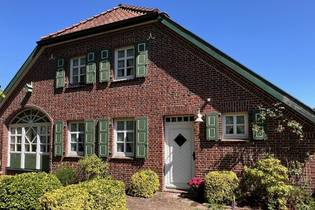
SUCCESSFULLY SOLD: Idyllically situated country house with adjoining grassland near Aurich, Lower Saxony
We wish the buyer much pleasure with this wonderful property!

Forest/own hunt at the gates of Cologne
10 minutes to the city limits. 141 ha in total, including 126 ha of forest and 15 ha of waters/lakes. Black, low,...
Arable land in the district of Düren
A total of approx. 2.2 ha.nThe individual plot sizes are approx. 1.4 ha and 0.8 ha.nThe sale of partial plots is...
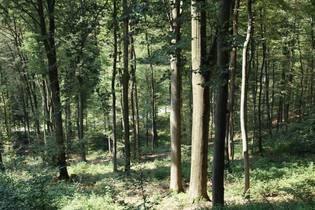
12.6 ha of rounded agricultural and forestry land in the Märkisch district
Divided into approx. 10.4 ha of forest and approx. 2.2 ha of grassland.
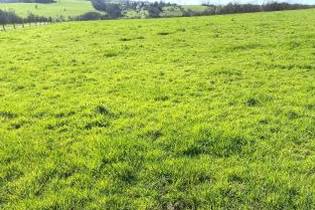
Grassland and forest areas in Windeck
A total of 12 ha, of which approx. 5.5 ha is grassland and approx. 6.5 ha is forest.
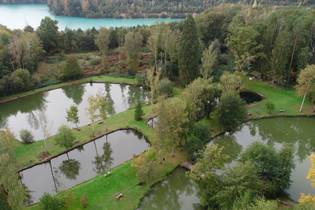
SUCCESSFULLY SOLD: Rural property with large pond near Bonn
The purchaser intends a combination of private use and the breeding of rare native species.
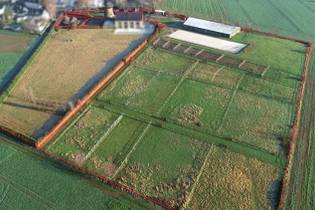
High-quality riding facility in historic estate in Pulheim/Rhein-Erft district successfully leased!
We wish the new tenants every success with this project!

Greif & Meyer in top agrar: Land markets: Are interest rates putting pressure on prices?
PRESSURE IN CONCENTRATION SPACES ...Andreas Eßer assesses the situation in a similar way. He is...
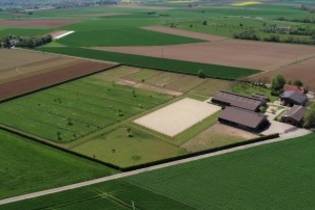
Exclusive riding facility in the Rhine-Main area successfully brokered!
The "Nußbaumhof" riding facility changed hands today. A riding school is planned for...

15 ha of forest in the North Eifel successfully brokered!
The new owner is a regionally based foundation that uses the forest areas for nature and species conservation....
Greif & Meyer in CAPITAL: Forest - the exotic alternative for investors
by Anna Faber. Although it is expensive and time-consuming to maintain, the purchase...
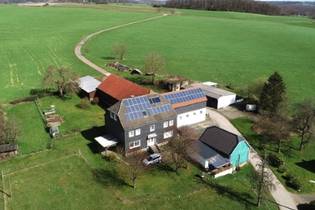
Agricultural business in Wermelskirchen successfully brokered!
Yesterday, the farm with a farmstead and a total of 25.2 hectares of agricultural and forestry land...
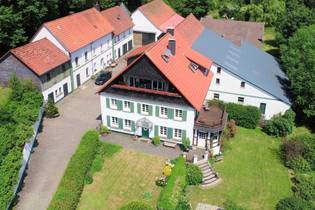
Forstgut Langenohl in Meinerzhagen successfully brokered!
The estate with a total of 157 hectares of rounded agricultural and forestry land and a historic...
Specialists for agriculture & forestry!
Greif & Meyer GmbH has been recognized by the German Real Estate Association IVD as a specialist for...

Forest estate in Raesfeld successfully brokered!
The new owners intend to cultivate the 184 hectares of land in a natural, careful manner under...
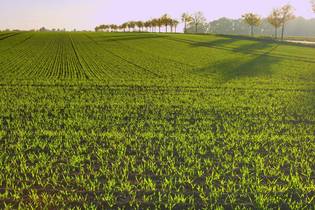
Farmland wanted
Investor seeks arable land up to 60 ha in NRW and nationwide. Long-term leaseback is guaranteed.
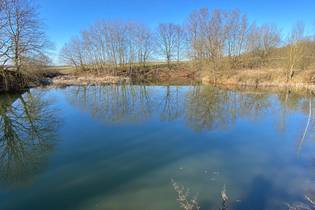
Charmingly situated leisure property with small lake in the Westerwald has found a new owner!
We wish the nature-loving buyer lots of pleasure with this beautiful property!

REINFORCEMENT IN THE TEAM!
Since the turn of the year, RT Alois has strengthened our team in the area of hunting and earthworks ;-) We wish him a...
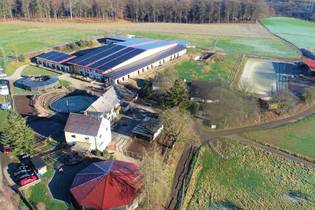
Equestrian facility "Asbacher Höhe" successfully brokered!
The equestrian center in the Westerwald changed hands yesterday. We wish the new owners...
511 ha forestry operation in the southern Eifel successfully brokered!
Greif & Meyer is brokering a traditional hunting and forestry business with a spacious mill estate and 3...

SAFETY FORST - Greif & Meyer interviewed by procontra magazine on forest investments
Investments in forests are considered sustainable, stable in value and high-yielding....
Greif & Meyer in an Immowelt interview
Lease or buy a fish pond: Rights, obligations and costs A...