

Buying and Selling Historic Properties, Castles, and Fortresses
We have been brokering historic properties throughout Germany since 1997
If you’re looking to buy or sell a castle, a fortress, a monastery, or a historic mansion, Greif & Meyer will guide you through the entire process. Historic real estate requires expertise in historic preservation, building structures, and usage concepts, as well as a network of historic preservation experts, specialized planners, surveyors, and skilled tradespeople—a network we’ve built up over nearly three decades. During this time, we’ve already brokered 71 historic properties.

This is an exclusive, beautifully renovated mill estate that is currently operating as a charming bed-and-breakfast...

The magnificent palace estate consists of a front building with adjoining tower, a two-winged rear building, a...
For reasons of discretion, we only present an excerpt from our extensive portfolio on our website. For a direct consultation, please get in touch with a contact person from our specialized division - click here to contact us. Click here to get in touch.
Buying Historic Properties: Castles, Fortresses, Monasteries, or Mansions
Historic properties can be divided into four categories, which differ significantly in terms of size, maintenance, and target buyer demographic. You can see which properties are currently for sale in the list above.
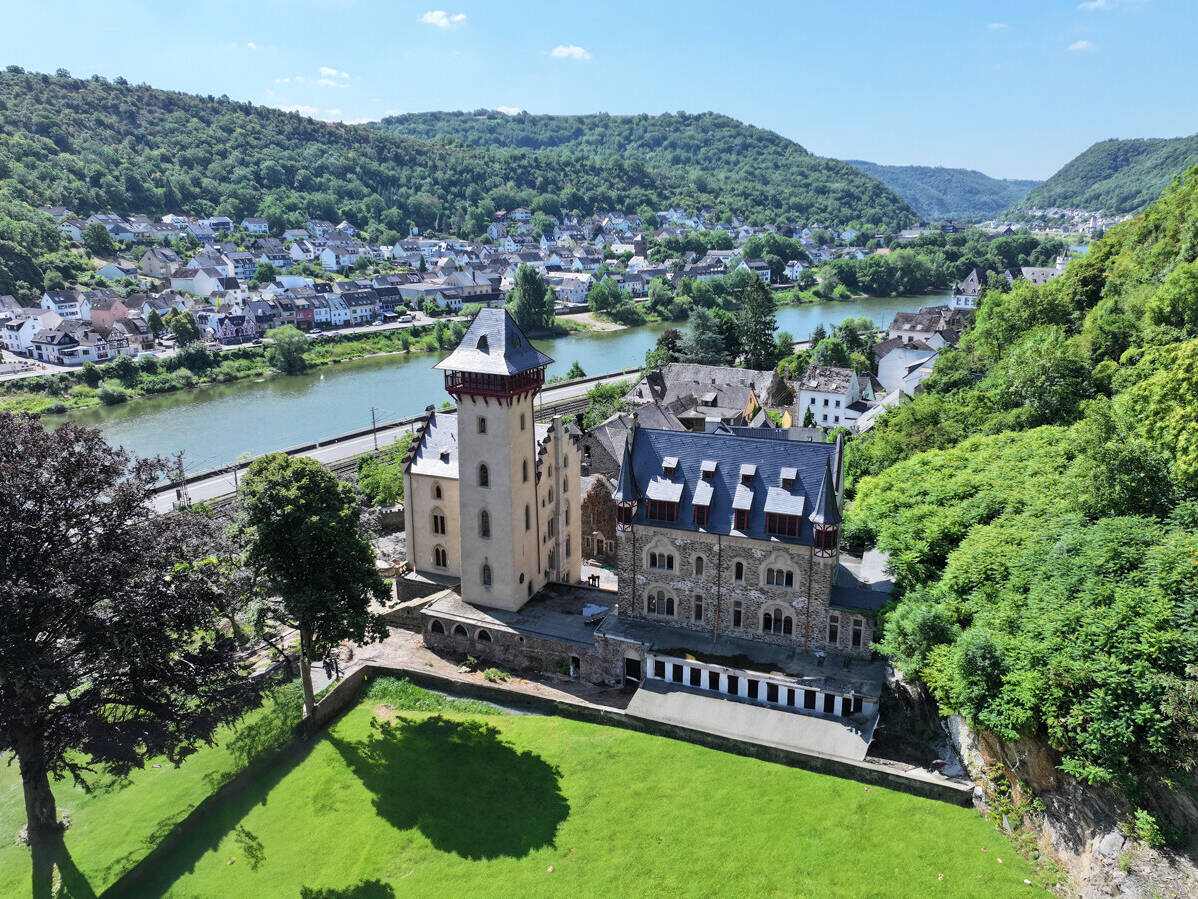
Castle and Estate
In addition to the magnificent main building, a castle or castle estate usually includes several outbuildings such as stables, servants’ quarters, and orangeries. Furthermore, many castle estates are surrounded by expansive, park-like grounds. Buyers of such properties are often families, hotel operators, and investors who bring their diverse and modern concepts for use to the historic buildings.
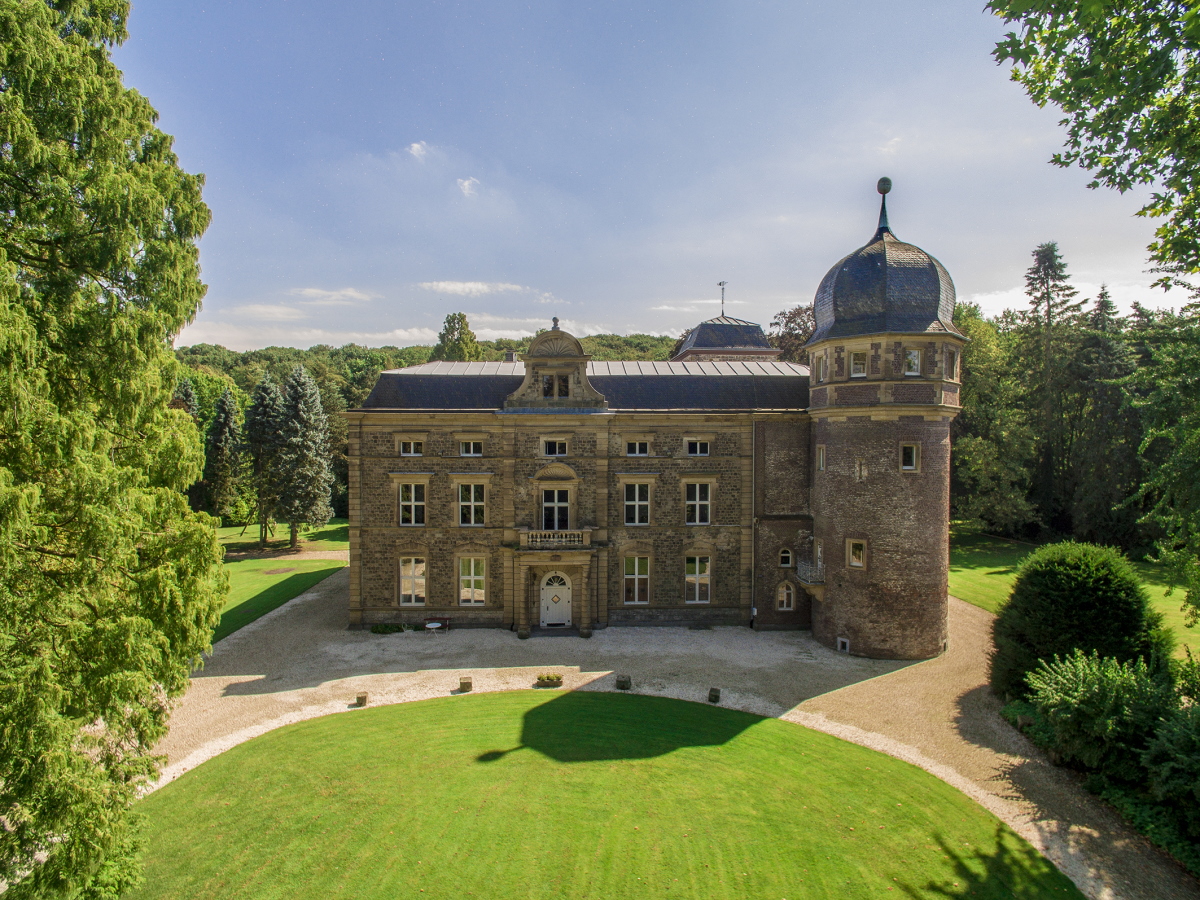
Castle and Moated Castle
Castles and moated castles are almost always designated as historic landmarks and are often situated in prominent locations. Much like castle estates, they are frequently well-suited for modern uses in the hotel, restaurant, healthcare, or residential construction industries.

Monastery and Abbey
Once deconsecrated, former monasteries offer plenty of space for housing, long-term care, seminars, or restaurants. In 2025, we brokered the sale of the Ravengiersburg Monastery in the Hunsrück to owners who are converting it into a senior living center.
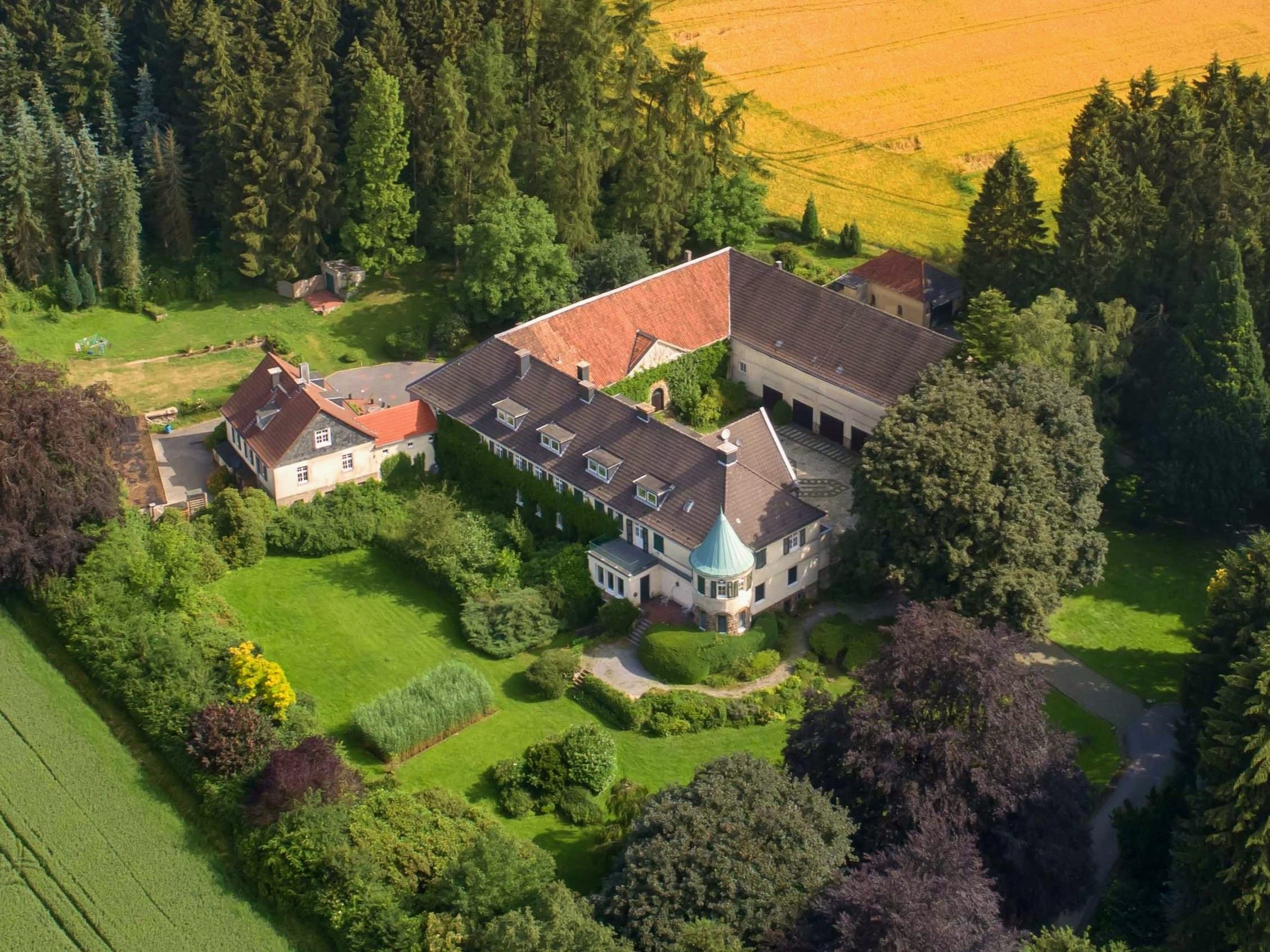
Manor House, Estate, and Mill Complex
Manor houses, country estates, and mill properties—much like farmsteads and remaining farm properties —are well-suited as family residences, homes for those who keep horses, or corporate headquarters in a rural setting. Often, these historic buildings can also be repurposed for use in the restaurant or hotel industry, subject to certain legal requirements.
What Makes Historic Properties Special
Historic properties have their own charm, but they also come with their own set of rules. These three points will help you determine whether a historic building fits into your plans and what costs you can expect beyond the purchase price.
Historic Preservation
Most castles, fortresses, and monasteries are listed historic buildings, which means that any renovations or restorations must be coordinated with the historic preservation authority. In return, the restoration costs can be deducted at a higher rate for tax purposes (Sections 7i and 10f of the Income Tax Act), provided the authority certifies the measures in advance.
Maintenance
The roofs, facades, windows, and heating systems of a historic building often entail high maintenance costs, and historic preservation frequently requires traditional materials and craftsmanship.
Usage
The types of use permitted—such as residential, hotel and restaurant, seminars, long-term care, or a corporate headquarters—depend on building codes, historic preservation regulations, and infrastructure. A change of use generally requires a permit, and the restrictions are stricter in rural areas.
From our agency
Three historic properties that have found new owners—and thus new uses—through Greif & Meyer.
Bredenscheid House, Hattingen
A historic estate in the Elfringhauser Schweiz region, comprising 26.5 hectares of agricultural and forested land, with a listed half-timbered main house at its center. For many years, it served as a conference center for an industrial conglomerate. Today, young people from all over the world live there in a residential facility that collaborates with the city of Hattingen.
Ravengiersburg Abbey, Hunsrück
The new owners of the former monastery in the Hunsrück have a meaningful plan for the future use of the extensive premises: They are converting the sprawling complex into a senior living center with independent living communities, thereby giving the site a purpose befitting its size.
St. Thomas Monastery Mill, Kyllburg
The magnificent mill estate in the Bitburg region was sold to a family that appreciates the unique living environment within its historic walls and is preserving it accordingly.
For reference
You can't find buyers for historic properties through a real estate portal.
Selling a Castle, Fortress, or Historic Estate
The sale of a historic property begins with the question of what uses the property allows, as this determines the pool of potential buyers. A manor house with extensive grounds will attract a different set of prospective buyers than a monastery or a castle. Most often, the buyers are families who intend to use the property for private purposes. In addition, hotel and care facility operators, foundations, and investors are interested. We’ve come to know these buyer groups through nearly three decades of brokerage experience. We appraise your property, taking into account its historic preservation restrictions, prepare a property brochure and supporting documentation, and confidentially approach suitable buyers.
Frequently Asked Questions About Historic Properties
Here, we answer the questions we're asked most often. If you'd like to know more, please call us or send us a message.
There is no standard market price for historic properties because location, size, condition, and land area vary from property to property. A mansion in need of renovation may be less expensive than a new single-family home, while a restored castle estate with a park and surrounding land can cost millions. Often, the purchase price accounts for only a small portion of the total cost, as renovation and maintenance expenses are added on top.
Yes, but you must coordinate any renovations, restorations, and often even the replacement of windows with the historic preservation authority. The authority will review whether the work preserves the character of the historic building and may impose requirements regarding materials and workmanship.
Renovation costs for a registered historic building may be depreciated at an accelerated rate over several years—under Section 7i of the Income Tax Act (EStG) if the property is rented out, and under Section 10f of the Income Tax Act (EStG) if it is owner-occupied. This is subject to the condition that the historic preservation authority certifies the measures before they begin.
Yes, former monasteries, castles, and palaces regularly come on the market—for example, from foundation holdings, from communities of heirs, or from companies that are closing down a conference center. However, many of these properties are never publicly listed. If you submit your search profile with us, we’ll notify you as soon as a suitable property becomes available for sale.
In addition to the physical condition of the building, other important factors include its historic landmark status and the associated requirements, the building permits required for your planned use, the utility connections, and the land belonging to the property. If necessary, we consult with historic preservation experts, specialized planners, and surveyors.
Greif & Meyer brokers historic properties nationwide. Most recently, we have handled properties in the Hunsrück, along the Moselle, in the Rhineland, and in the Ruhr region. Since 1997, we have handled 71 historic properties, ranging from manor houses to monasteries.
Property Analysis for Historic Real Estate
The value and potential of a historic property depend on several factors, which we evaluate for you in a property analysis:
- Architectural and historical significance of the buildings
- Condition of the Building Structure and Restoration Options
- Connection to the regional infrastructure
- Possible uses and building code requirements, including historic preservation regulations
- Tax framework provisions, such as the increased depreciation allowance for historic buildings
Together with our network of experts, this provides you with a reliable basis for your decision.
Experience with Special Properties
Historic estates and castles are structures of cultural and economic value, and their preservation and use require specialized knowledge. Greif & Meyer has developed this expertise through numerous projects and, together with its partners, is here to assist you with the purchase or sale of a historic property until your project is completed.
A Network for Historical Projects
Developing and maintaining a historic property requires not only expertise but also a well-established network. Greif & Meyer has been working for many years with historic preservation experts, professional planners, surveyors, and specialized tradespeople.
This is how concepts are developed that ensure the preservation, use, and further development of a property—from analysis through planning to implementation.
Old Structure, New Use
Castles, palaces, and historic estates tell stories of architecture, power, and regional identity. Preserving them safeguards this history while also creating unique living spaces that are one-of-a-kind.
We work with you to develop usage concepts that honor the building’s history and meet today’s standards for living, working, or hospitality.
Discretion in Historical Projects
The sale of a historic property often involves family history, groups of heirs, and public attention. We handle the owners’ interests confidentially, guide them through sensitive decisions, and coordinate with the authorities.
Our experience ranges from the careful restoration of historic buildings to viable development concepts, with your goals always at the center of our work.
Our Services for Historic Properties
We begin with an analysis of the location and an appraisal of the property. Building on this, we work with you to develop a plan for restoration and use, and address any questions regarding historic preservation and legal requirements. We handle negotiations through the notary appointment, and we remain your point of contact even after the construction or restoration phase is complete.

We will be happy to help you!
Do you have any questions about your property or would you like a market value assessment? We are here for you! Greif & Meyer provides you with professional support for the sale and all matters relating to your property. Use our contact form or get in touch with us directly - we look forward to hearing from you!