
Buying and Selling Forests: Forest Lands, Forest Properties, and Forest Estates
Over 20,000 hectares of forest brokered nationwide
If you’re looking to buy or sell a forest, Greif & Meyer will guide you through the process—from assessing the forest stand to the notary appointment. Our consultants hold college degrees in forestry or agricultural science, are experienced real estate professionals, and have brokered more than 20,000 hectares of forest land and forest properties since 1997, including small forest plots for firewood production as well as forest operations with private hunting grounds.
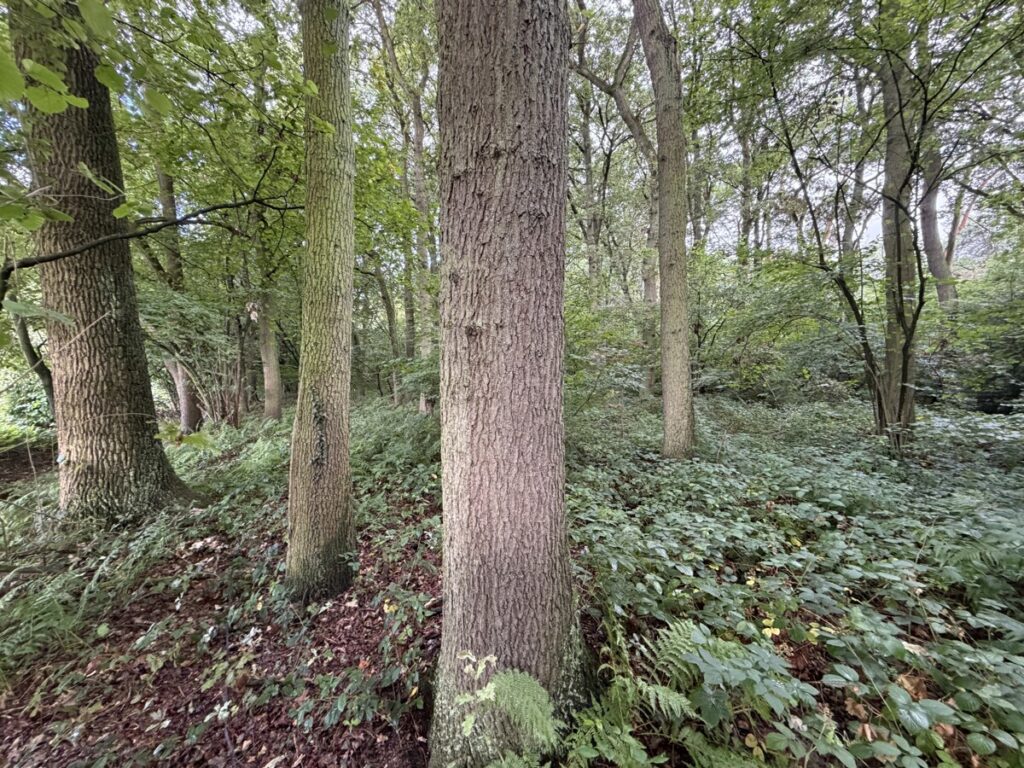
These are mostly older mixed stands of English oak, European beech, and European hornbeam, a...

These are two contiguous areas. The larger area is approximately 21.6 hectares in size, flat, and very well accessible...
For reasons of discretion, we only present an excerpt from our extensive portfolio on our website. For a direct consultation, please get in touch with a contact person from our specialized division - click here to contact us. Click here to get in touch.
Buying Forest Land: From Small Forest Plots to Professional Forest Estates
For years, the demand for forest land has exceeded the supply. The type of forest land that's right for you depends on what you plan to do with it.

Buying Smaller Forest Properties
Small forested areas are often in high demand. Buyers use them, for example, for firewood, as a retreat in nature, or for species conservation. The price is based on the land and the tree stand, though depending on the location and the condition of the stand, the costs associated with maintenance and ensuring public safety should not be underestimated.
Forest Land as an Investment
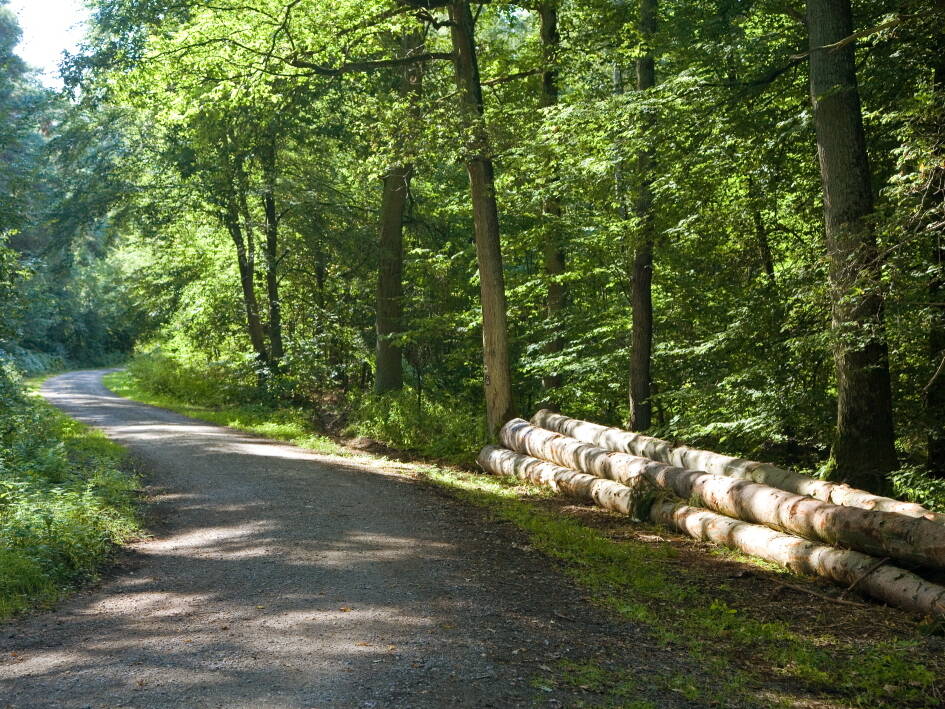
Larger forest tracts generate income from timber sales and are considered an inflation-proof asset with returns in the low single digits. A contiguous area of 75 hectares or more also qualifies as a private hunting preserve. For investors who wish to invest without becoming owners themselves, we provide access to a sustainable forest fund.

Forest Property and Forest Management Unit
In addition to the forest itself, a forest estate often includes forest houses, farm buildings, and, in most cases, its own hunting grounds. We regularly broker such properties as well, such as a 1,700-hectare forest and hunting estate in the Uckermark/Schorfheide region, a 511-hectare forest estate in the Southern Eifel with three private big-game hunting grounds, and forest estates/private hunting grounds in Raesfeld (184 hectares) and Meinerzhagen (157 hectares).
The Cost of a Forest
The price of a forested area consists of two parts: the value of the land and the value of the stand, that is, the tree population. For the land, the standard land value for forested areas in the respective municipality applies, while the value of the stand is determined based on the stand value and the removal value. Because both values vary greatly depending on the region, tree species, and age, there is no uniform price per hectare for forest land in Germany.
Our article on the valuation of agricultural and forestry properties explains the valuation process in detail.
What Determines the Price of a Forest Area
Tree Species and Age
The value of the timber is determined by the tree species, the age of the stands, and the timber volume per hectare. Deciduous trees fetch different prices than coniferous trees. Mature stands are worth more than young growth, and damaged areas are valued significantly lower.
Location and Region
Forest land located in the immediate vicinity of a major city costs significantly more than land in rural areas because demand is generally higher there.
Development
Vehicle-accessible paths, skid roads, and log storage areas make forest management more cost-effective and thus increase the value of the land.
Soil and Location
Soil quality, water supply, and slope conditions determine how well the trees grow and which tree species are suitable.
Size and Cut
Contiguous, well-shaped tracts of land are more in demand than scattered parcels. In addition, properties of 75 hectares or more offer the added value of a private hunting ground.
Damage and Risks
Areas damaged by bark beetles, storms, or drought reduce the value of the property and require reforestation. Nevertheless, they may still be of interest to some buyers, for example, for conversion to mixed-species forests as part of compensatory measures.
There are more buyers than sellers for Wald.
Sell Forest Land
If you wish to sell a forested area, we first use our expertise in forestry to determine the value of the land and the standing timber, depending on the available information—either through our own survey and/or based on a forest management plan or forest management program. We then present the forest to suitable prospective buyers, such as pre-registered forestry operations, private investors, foundations, or other investors. Upon special request, we can do so without having to publicly advertise the specific parcel. As with agricultural land, the purchase agreement requires approval under the Real Property Transactions Act once the property reaches a certain size; we will, of course, provide you with strategic advice on this matter. Even damaged stands, areas affected by natural disasters, and small parcels quickly find a buyer through us.
Frequently Asked Questions About Buying Forest Land
Here, we answer the questions we're asked most often. If you'd like to know more, please call us or send us a message.
There is no standard price per hectare, as the value is determined by the soil and the tree stand, both of which vary greatly depending on the region, tree species, and age. Young reforested areas in rural locations cost a fraction of what is paid for mature hardwood stands near urban areas. For a specific plot, we’ll provide you with a realistic price range based on the standard land value, the value of the tree stand, and our own transaction history.
Generally speaking, yes—you do not need to be a farmer or a forester. However, the purchase agreement requires approval under the Real Property Transactions Act, depending on the specific state, and land corporations may exercise a right of first refusal. We can provide you with strategic advice on this matter.
Forest land is a tangible asset that generates low-single-digit returns through timber yields and is considered a hedge against inflation. On the other hand, it is subject to risks such as storms, droughts, and bark beetles, as well as ongoing costs for maintenance and ensuring public safety. As an investment, forest land is particularly worthwhile when it is large enough to allow for self-management or private hunting. Smaller investors can alternatively invest in a forest fund through us.
As a landowner, you are responsible for ensuring public safety on trails and roads, must reforest clear-cut areas or open spaces created by natural disasters, and must manage the forest in accordance with state forestry laws. You must allow the general public to enter the forest for recreational purposes. Forest management cooperatives and service providers—which we can connect you with—can assist you with forest management.
Greif & Meyer brokers forest land nationwide, including throughout North Rhine-Westphalia. You can find suitable listings in our property directory or by using a search profile, which we would be happy to set up for you.
A large portion of forest land changes hands without ever being publicly listed, as sellers often prefer discretion. If you provide us with your search criteria—including region, size, and intended use—we will notify you as soon as a suitable property becomes available for sale. We also conduct searches on behalf of investors; for example, we recently found a forest property large enough to serve as a private hunting reserve for a foundation.
Analysis and Assessment of Forest Areas
When appraising a forested area, we consider, among other things:
- Tree stand, including tree species, age, health status, and growth, which determine both its ecological and economic value.
- Potential uses for forestry, hunting, recreational activities, and nature conservation, depending on the composition, location, and size of the area.
- Location and access via trails, topography, and proximity to roads, which influence management and usability.
- Legal frameworks under forestry, nature conservation, and hunting laws, as well as landscape plans and potential funding programs.
We will provide you with the current value of your forest land and an assessment of its long-term potential.
Experience in the forestry sector
The sale, purchase, administration, and management of forest lands require an understanding of the broader context of forestry. Our consultants hold college degrees in forestry or agricultural sciences and are also real estate professionals.
We’ll be with you every step of the way—from the initial site assessment through forest evaluation and acquisition to the long-term management and stewardship of your forest property.
A network of forestry, hunting, and nature conservation
For your forestry project, we’ll connect you with experts in forestry, hunting, and wildlife conservation with whom we’ve been collaborating for years. This includes specialized forestry contractors, investors in large tracts of land, and consultants for nature-oriented forestry concepts.
Forests as Habitats and Economic Assets
Forests provide habitat for numerous animal and plant species and are also essential for climate protection, the water cycle, and air quality. The responsible management of this resource is very important to us.
We work with you to develop solutions that meet both environmental and economic requirements, whether for the maintenance of existing areas or for new projects.
Responsibility Across Generations
Managing forest areas requires foresight, because management, economic returns, and ecological responsibility must be balanced. We align your goals with the requirements of nature conservation and climate protection—whether in the care of the tree population, the preservation of habitats, or the economic use of the forest.
From the initial consultation through to implementation, we support your project to ensure that your forest retains its value for future generations.
Acquire forest land and hunting grounds
A forested area or hunting ground is an investment with both ecological and economic benefits—whether as a private hunting ground, for sustainable management, or for the preservation of natural habitats. We guide you every step of the way—from selecting the right property to planning, management, and utilization—to ensure your project is built on a solid foundation.

We will be happy to help you!
Do you have any questions about your property or would you like a market value assessment? We are here for you! Greif & Meyer provides you with professional support for the sale and all matters relating to your property. Use our contact form or get in touch with us directly - we look forward to hearing from you!